Memorandum
- From
- Connor Quincy via fox - Most Popular
- Date
- Filed
- Society·6 min to read
- Re
Cornell Rape Allegations Spark Criminal Probe and Political Firestorm
ReCornell Rape Allegations Spark Criminal Probe and Political Firestorm
Seven former Cornell fraternity brothers face civil rape allegations, prompting a special prosecutor investigation and an independent university review amid conflicting accounts of the 2024 incident.
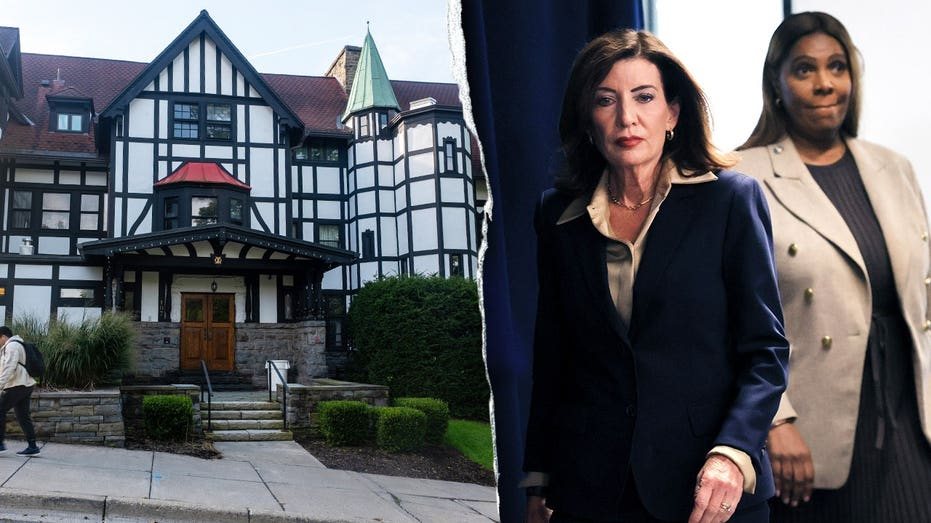
A civil lawsuit accusing seven former Cornell University fraternity brothers of drugging and raping a female student has triggered a criminal investigation and a political firestorm, thrusting a two-year-old case into the national debate over consent and campus sexual assault.
The accuser, identified in court papers as Jane Doe, alleges the men sexually assaulted her at the Chi Phi fraternity house in October 2024 after she became intoxicated and was pressured into taking ketamine and other substances. The men have denied wrongdoing, with some claiming the activity was consensual and others denying participation. No criminal charges have been filed against the seven.
New York Attorney General Letitia James announced Friday that her office is conducting an active criminal investigation after Gov. Kathy Hochul appointed the Office of the Attorney General as special prosecutor. Cornell has separately agreed to retain outside counsel for an independent review of its handling of the allegations.
At the center of the controversy are sharply conflicting accounts of the night of Oct. 19, 2024. According to her lawsuit, Doe, then a 20-year-old undergraduate, began the evening drinking vodka at her Tri Delta sorority house before attending a social event at a downtown Ithaca bar. She later went to a second bar, left alone around 11 p.m., and walked to the Chi Phi house to meet a friend who was a member.
By the time she arrived, Doe was visibly intoxicated, having consumed roughly 10 standard drinks over three hours, according to her complaint. Once inside, she alleges a fraternity member gave her another beer and proposed a threesome with another brother. The lawsuit maintains she was too intoxicated to consent.
Doe alleges she was taken upstairs, where two members pressured her into snorting what they said was ketamine, a drug she had never taken. She claims they also gave her marijuana and high-proof liquor before engaging in sexual acts without her consent. The lawsuit alleges other members entered the room as the night progressed.
At 1:42 a.m., according to a screenshot in the complaint, one member posted «free p—y» in a Snapchat group for active Chi Phi members, which the complaint says encouraged others to come upstairs. CBS News reported Friday that it obtained additional Snapchat messages, including a photograph of Doe with another man shared with dozens of members. Just before the photo, one participant wrote, «Like you can walk in and whip it out,» while another asked, «Shop still open?» and received the reply, «Yeah.»
Attorneys for several accused men have denied criminal wrongdoing. One attorney told NBC News the lawsuit was «intentionally dishonest,» maintaining his client engaged in immature and inappropriate Snapchat messages but committed no crime. Another said the public narrative was «incomplete» and inconsistent with evidence from Cornell's investigation, including Doe's own statements.
Doe alleges she became increasingly impaired and eventually «completely incapacitated.» The complaint says the final alleged assault ended around 5:45 a.m., when she lost consciousness.
Contemporaneous texts, interviews, and university records show Doe described portions of the encounter differently in the days and weeks that followed, while also expressing distress. When she returned to her sorority house around 11:15 a.m. on Oct. 20, she told roommates she had taken ketamine and had sex with multiple men, according to Cornell Title IX records obtained by The New York Times. One roommate said Doe did not initially describe it as rape or sexual assault, while another recalled she appeared «in shock» and did not seem to understand the gravity of what she recounted.
The next day, one of the men Doe later accused apologized for how the night unfolded, saying he felt terrible that he and another member had been too intoxicated to stop things before they got «way out of hand,» according to text messages reviewed by the Times. Doe responded that «none of the sexual stuff was illegal» and said she had enjoyed being with the two men.
Other evidence suggests Doe was already struggling. On Oct. 22, she visited Cornell Health for a urinary tract infection and STD testing, telling a doctor she had recently engaged in sexual activity. Tompkins County District Attorney Matthew Van Houten, who initially declined to pursue charges, has said Doe's November 2024 sworn statement did not allege she was drugged against her will or gang raped, instead describing her participation as «voluntary, conscious, and consensual.»
The case has now become a political flashpoint, with the attorney general's investigation and Cornell's independent review unfolding as the civil lawsuit proceeds. The conflicting accounts and the involvement of high-profile officials ensure the debate over campus sexual assault and consent will continue to draw national attention.
3