
Memorandum
- From
- Derek Weston via NYT - Business
- Date
- Filed
- Society·4 min to read
- Re
China Expands Domestic Cattle Herds as Climate Change and Tariffs Reshape Beef Imports
ReChina Expands Domestic Cattle Herds as Climate Change and Tariffs Reshape Beef Imports
China is raising more cattle as climate change disrupts traditional beef-exporting countries and trade tariffs limit imports, prompting the government to support herders and improve domestic production.
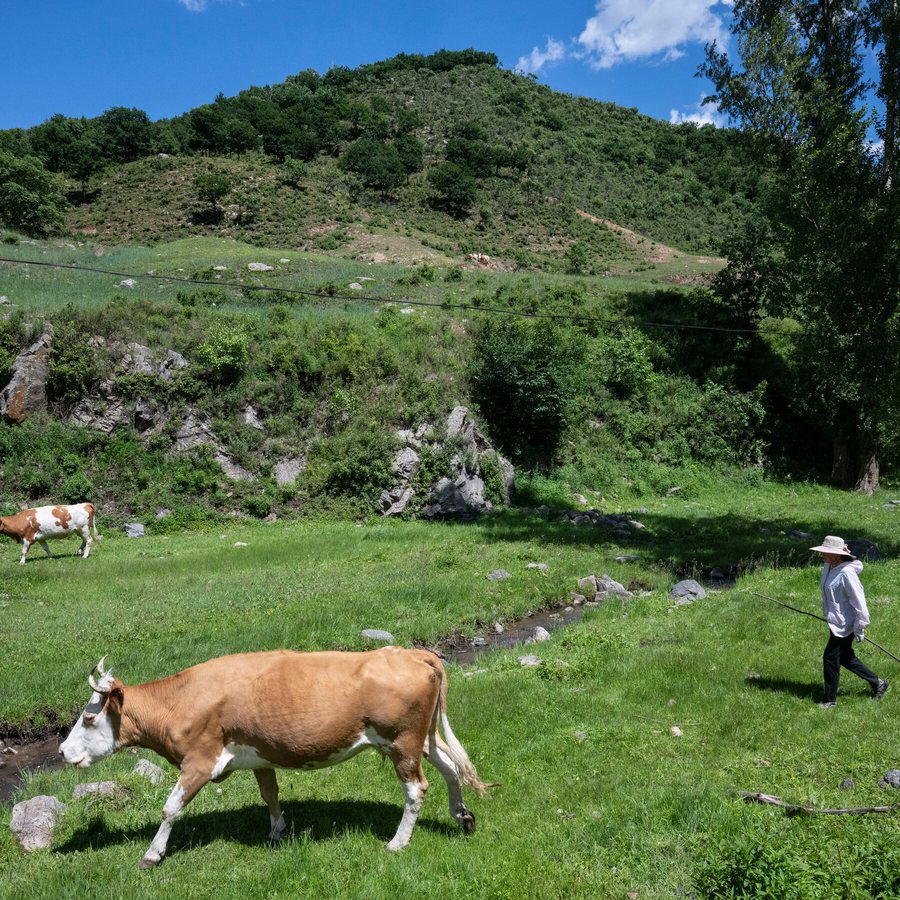
In the mountain pastures of northern China's Hebei Province, herders are expanding their cattle operations as the country moves to reduce its reliance on imported beef. This shift is driven by two powerful forces: climate change, which is disrupting traditional beef-exporting nations, and trade tariffs that have made foreign beef less accessible and more expensive for Chinese buyers.
China is the world's second-largest beef consumer, but its domestic production has historically fallen short of demand, leaving the country dependent on imports from major producers like Brazil, Argentina, Australia, and the United States. However, a combination of environmental pressures and trade policy changes has reshaped the global beef trade, creating new incentives for China to invest in its own cattle industry.
Climate change has had a pronounced effect on beef production in South America, a key supplier to China. Prolonged droughts in Brazil and Argentina have reduced pasture quality, increased feed costs, and led to smaller cattle herds. These disruptions have driven up global beef prices and made imports less reliable. At the same time, China has imposed retaliatory tariffs on U.S. beef as part of ongoing trade disputes, further limiting supply from one of the world's largest exporters.
In response, Beijing has implemented policies to boost domestic cattle farming. The government has offered subsidies for breeding, expanded grazing lands in northern provinces, and invested in improving pasture management. Herders in regions like Hebei, Inner Mongolia, and Xinjiang are being encouraged to increase herd sizes and adopt more sustainable practices to offset the volatility of international markets.
The push for greater self-sufficiency in beef comes as Chinese consumers, particularly the growing middle class, continue to increase their meat consumption. Per capita beef intake has risen steadily over the past decade, and the trend is expected to persist. However, expanding domestic cattle herds is not without challenges. The country's arid northern grasslands face limitations in carrying capacity, and overgrazing has led to soil degradation and desertification in some areas. Additionally, cattle farming is a significant source of methane emissions, a potent greenhouse gas, raising environmental concerns as China pursues its climate goals.
Despite these obstacles, the combination of tariff barriers and climate-induced supply shocks has made domestic beef production a strategic priority. The government is also exploring alternative protein sources, including plant-based meats and cultivated meat, to diversify the nation's protein supply. But for now, cattle remain central to the strategy. The sight of herders leading cows through the green mountain pastures of Hebei represents a broader trend: China's agricultural sector adapting to a world where global trade is less predictable and the climate less stable.
As China continues to scale up its cattle industry, the implications extend beyond food security. The rural economy, particularly in northern farming regions, stands to benefit from increased investment and job creation. However, the environmental trade-offs will need careful management to avoid long-term damage to the very lands that sustain the herds. For the herders themselves, the current policies offer a chance to expand their livelihoods even as the global beef market undergoes fundamental change.