Memorandum
- From
- Delaney Sawyer via TIME.com
- Date
- Filed
- Society·5 min to read
- Re
Can AI Lighten Women’s Mental Load From Caregiving?
ReCan AI Lighten Women’s Mental Load From Caregiving?
AI tools that manage family tasks could reduce the caregiving burden women carry, but history and rising parenting standards suggest technology alone is not a cure.
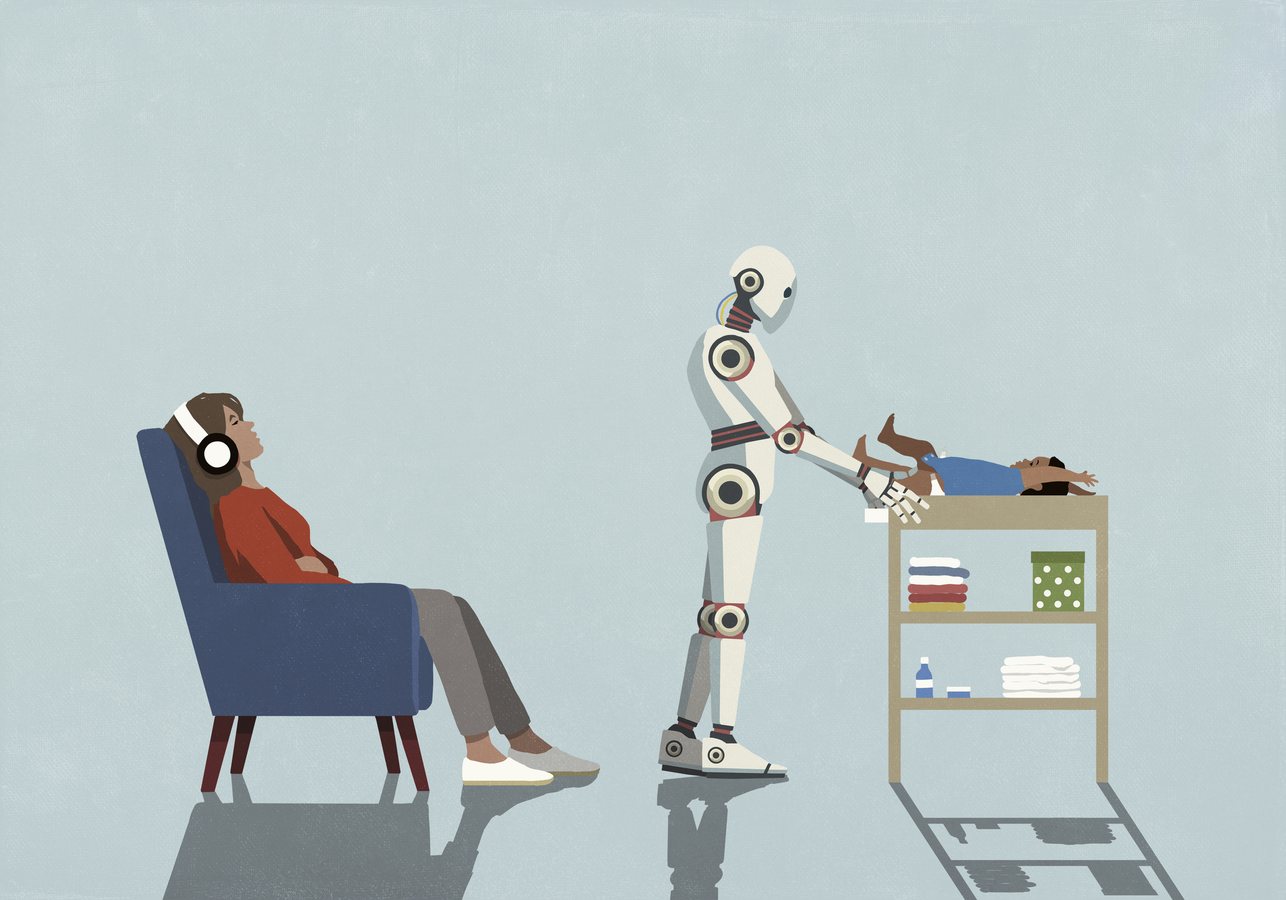
Artificial intelligence is transforming how work gets done, and a new generation of tools known as Care AI is promising to take on a less visible kind of labor: the mental load of managing family life. From tools that summarize school emails and remind parents about events to systems that track an older relative’s medications and draft messages for doctors, advocates say these technologies could ease the caregiving burden that falls disproportionately on women.
The pitch is straightforward. If AI can absorb the anticipating, planning, troubleshooting, worrying and remembering that keeps a household running, women may finally get relief. Recent data show men have increased the time they spend on unpaid household work, but women still do significantly more. Research has shown the gendered division of cognitive labor is even more unequal than the division of housework or childcare.
That imbalance carries real costs. Mothers who take on a disproportionate share of the mental load report higher rates of depression, stress and burnout. They are more likely to describe lower-quality romantic relationships and often arrive at work already exhausted. An AARP survey found that four in 10 adults caring for other adults say they rarely or never feel relaxed. Much of this work also remains invisible in economic terms: cooking, coordinating logistics and managing family schedules are typically left out of gross domestic product measures.
A new report by the consulting firm PwC puts a dollar figure on what AI assistive tools could unlock. The report estimates that technologies bringing efficiencies to care and life management and reducing friction in everyday life could be worth $330 billion, even at an assumed adoption rate of just 40%. The gains would come not only from time saved but from lower stress and improved well-being as caregivers carry a lighter cognitive load.
History, however, offers a caution. The historian Ruth Schwartz Cowan argued in her 1985 book, More Work for Mother, that technologies once advertised as labor-saving, such as washing machines and vacuum cleaners, ended up raising cleanliness standards and expanding housewives’ responsibilities. Because new tools are layered over existing cultural beliefs and social relations, they rarely fix social problems by themselves.
Digital technology has followed a similar path. Research has found that women often take the lead on family communications online and oversee or negotiate their children’s media use. Constant connectivity has also made caregiving feel relentless, leaving many women with the sense that they are never truly off the clock.
Care AI arrives at a moment when parenting standards have become especially demanding. The cultural rise of intensive mothering, which treats mothers as entirely responsible for their children’s well-being and success, has made the pressure to be a perfect parent more acute. Studies suggest mothers hold themselves to higher standards than fathers do, judge themselves more negatively and worry more about falling short. Some women end up doing more than their own mothers did while still feeling that they are not measuring up.
There are also clear upsides. AI tools can improve convenience, coordination and monitoring, and in many cases they may lead to better care. An analysis of Japan and the U.K. estimated that automation could reduce time spent on unpaid work by 50 to 60 percent, cutting women’s domestic workload by about three hours a day and enabling 9.3 percent of working-age women in Japan and 5.8 percent in the U.K. to take up paid jobs. Demand appears strong: a survey of caregivers found that nearly eight in 10 would welcome or try AI that can predict health issues before an emergency strikes.
The question is whether those gains last. For Care AI to deliver real relief, its use must be shaped to avoid creating even more intensive care standards. If a frictionless family life becomes the norm, the time and peace of mind AI provides could be absorbed by a constant quest for optimization. The technology may lighten the load, but it will take deliberate choices to make sure it does not simply raise the bar.