
Memorandum
- From
- Delaney Sawyer via Fortune | FORTUNE
- Date
- Filed
- Society·6 min to read
- Re
Border Agency Tapped 80,000 Flock Cameras Without Local Police Knowing
ReBorder Agency Tapped 80,000 Flock Cameras Without Local Police Knowing
Customs and Border Protection accessed more than 80,000 license plate cameras in a nationwide pilot last year, including one department's cameras without its knowledge, as cases of officer misuse mount.
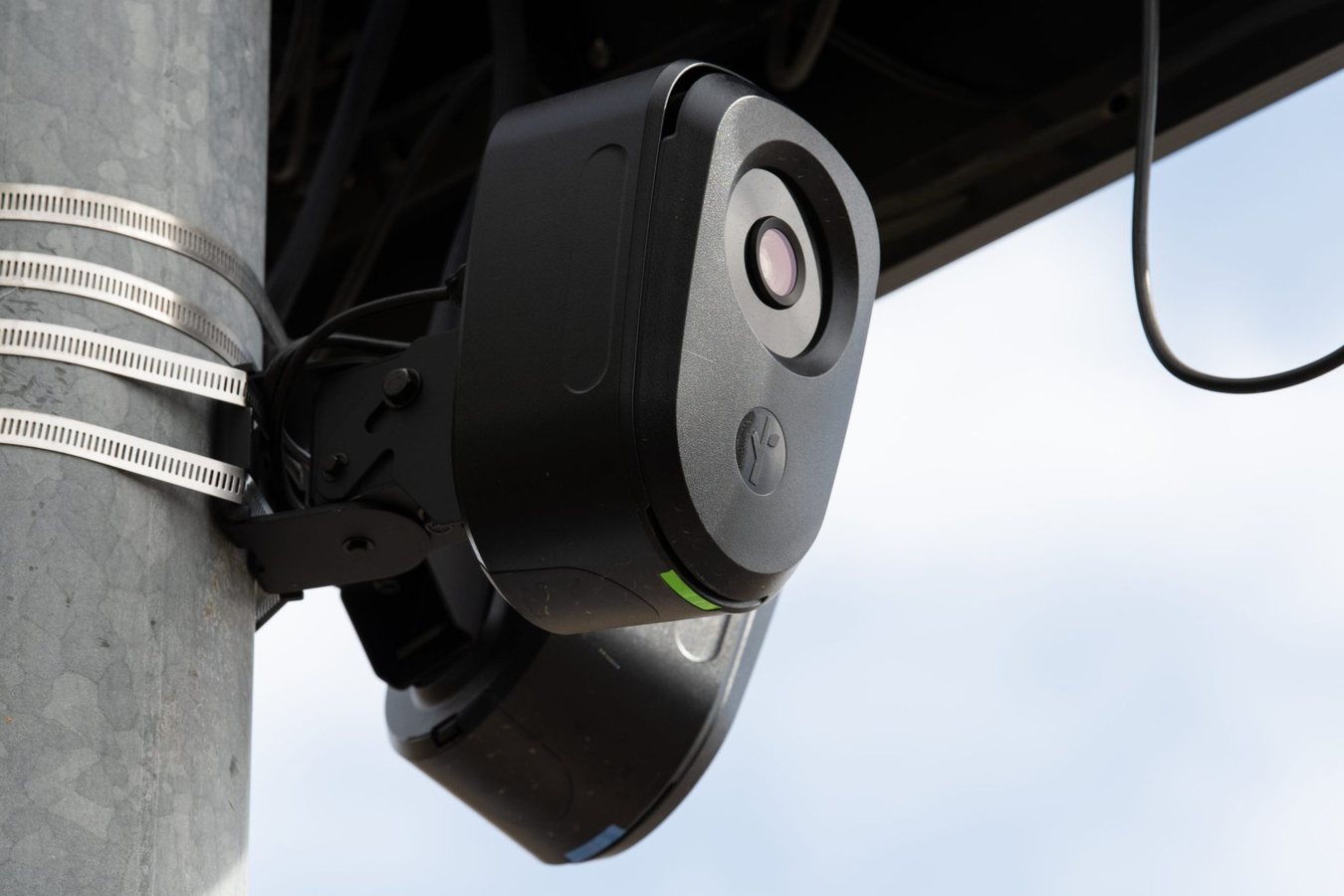
U.S. Customs and Border Protection accessed more than 80,000 Flock Safety cameras during an undisclosed nationwide vehicle-tracking pilot in 2025, including one police department's cameras without that department's knowledge, according to reporting on the automated license plate reader network. The disclosure adds a federal dimension to a growing controversy over how the cameras are used and who can search them.
Flock operates networks of automated license plate readers, or ALPRs, that capture a vehicle's plate, location and distinguishing marks down to dents or a bumper sticker. Artificial intelligence can sort the photographs by date taken. Police departments across the network can conduct searches without warrants or supervisory approval, and the architecture turns local cameras into a cross-jurisdictional surveillance system that agencies which never purchased the cameras may query.
The federal access was not an isolated technical glitch. Public records from Danville, Illinois, revealed more than 4,000 searches by federal agencies, including some with a potential immigration-enforcement focus, although U.S. Immigration and Customs Enforcement had no Flock contract. A 2026 study similarly found 11,935 immigration-related searches in partial records from eight college police departments. Federal immigration agencies sometimes accessed campus camera data without campus officials' knowledge.
The network also enables searches in legally contested areas. In May 2025, a Texas sheriff's office searched more than 83,000 cameras for a woman who had self-managed an abortion. The logged reason was «had an abortion, search for female.» The search reached Illinois, where state law forbids sharing plate data to enforce another state's abortion ban. The sheriff called it a welfare check. Whatever the motive, one deputy triggered a national dragnet without independent review.
Individual misuse has been documented as well. According to a Washington Post investigation, Braselton Police Chief Michael Steffman searched the license plates of Marci Bakely, a Georgia single mother, and those of her teenage daughter roughly 600 times through Flock Safety. Wherever Bakely went, her ex-boyfriend seemed to know; when she drove to the grocery store or a date, he often texted within minutes. The Georgia Bureau of Investigation arrested Steffman in November 2025 on charges of stalking, harassment and misuse of an ALPR. He was found dead before trial.
Bakely's case is not unique. The Post identified at least 50 officers accused of misusing ALPRs, including 26 who used Flock's cameras to spy on current or former partners or people they hoped to meet. Its investigation has since identified at least 100 police department employees charged with or accused of misuse. Flock says these people represent a tiny share of its more than 140,000 monthly users and that permanent audit logs help uncover misconduct. But the abuses required no hacking or stolen credentials; each user walked through the front door.
Flock says customers control their data, yet a department that leaves sharing enabled may not know who is looking. Logs record misconduct only after it happens, and only if someone reads them. Indianapolis police did not regularly audit Flock searches until The Washington Post flagged thousands of questionable inquiries by one officer. A systemwide audit found alleged misuse by four more officers. Other police departments likewise learned of officers' misuse from reporters.
Flock's August 2026 changes shorten recommended data retention from 30 to seven days and require misuse detection and case codes to document searches. But customers may retain data longer, emergencies may bypass case codes, and entering a case number can be done without judicial approval.
The legal picture remains unsettled. In October 2025 a Virginia appeals court held that police officers needed no warrant to retrieve three images spanning seven minutes from Norfolk's 172-camera network because they showed vehicles, not people. But later findings about Flock's people-detection capabilities weaken that distinction. Analysis of a hacked camera showed that its software could identify a person and record that person's location within an image.
In January 2026 a federal judge held that Norfolk's then-176-camera network did not violate Fourth Amendment protections. The system did not capture anyone's entire movements, the court reasoned, although it photographed two plaintiffs' vehicles 475 and 325 times over four and a half months. The ruling is being appealed.
In 2018 the Supreme Court held in Carpenter v. United States that acquiring seven days of historical cellphone location records generally requires a warrant because they can reconstruct someone's past movements. Flock's architecture raises a related but unresolved question: Its database can also reconstruct movements, yet police officers may search it without a warrant.
3