
Memorandum
- From
- Delaney Sawyer
- Date
- Filed
- Society·4 min to read
- Re
A Moscow Schoolboy Was Mistaken for a Suspect. The Dispute Now Centers on AI and Police Force
ReA Moscow Schoolboy Was Mistaken for a Suspect. The Dispute Now Centers on AI and Police Force
Independent reporting confirms the May 4 detention and a concussion diagnosis. The family’s later claim about an 85–90% AI match remains unverified.
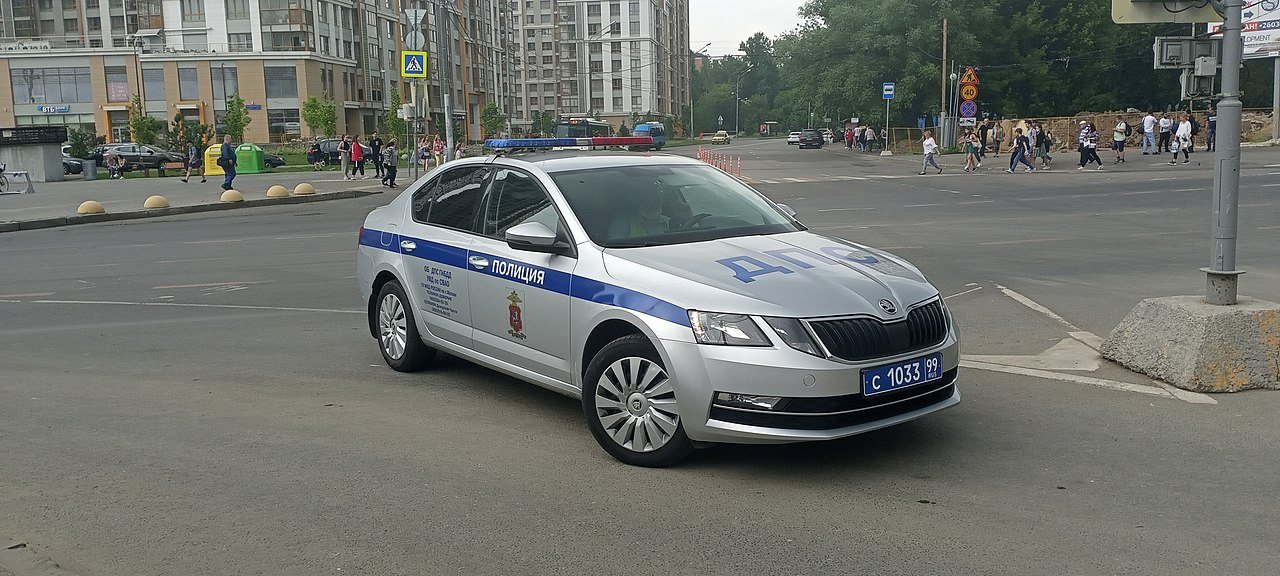
The most useful way to understand the detention of a 15-year-old Moscow schoolboy is to separate what is already corroborated from what remains contested. The detention itself, the mistaken identity and the subsequent concussion diagnosis were reported soon after the incident. The claim that an artificial-intelligence system produced an 85–90% match emerged later from the family and has not been independently documented.
Novaya Gazeta Europe reported that the teenager was detained on the morning of May 4 on Garibaldi Street while walking to school. Citing his mother and Ostorozhno Media, it said plainclothes officers knocked him to the ground, bound his hands and transported him to a police unit. His mother said officers eventually established that he had been mistaken for another person.
The boy’s father later gave Ostorozhno Media a more detailed account. He said the teenager was questioned on suspicion of distributing drugs and that police contacted the mother about two and a half hours after the detention. According to the father, officers told her that an AI system had produced an 85–90% match between her son and a person in a police alert. The name of the system and the underlying match report have not been made public.
That uncertainty is important because facial recognition does not produce a universally meaningful percentage of guilt or identity. In one-to-many searches, a face is compared with a gallery of many people, and systems return candidates based on similarity scores and thresholds. NIST’s current Face Recognition Technology Evaluation explicitly measures false positive identification rates — searches that incorrectly return a person above the threshold.
Moscow has deployed this class of technology on a large scale. The city’s official transport portal says its Sfera system in the subway uses facial recognition to check people against wanted-person databases and alert police. That establishes the broader technological context, but not the specific tool used in this case.
The dispute becomes more serious when it reaches the question of force. Novaya Gazeta Europe reported that the teenager was diagnosed with a concussion after he was released. Ostorozhno Media’s later account, citing medical records, lists additional injuries to his head, lip, back and wrists. The family says the injuries resulted from officers’ actions during the detention and transport.
A police response quoted by the family presents a conflicting account. It says the boy actively resisted, injured officers and tried to flee, prompting the use of physical force and combat restraint techniques. The family rejects that explanation. No final investigative finding has resolved the competing versions.
The parents filed complaints with police and the Investigative Committee. Ostorozhno Media says the review remains unresolved from the family’s perspective.
A separate institutional factor is staffing pressure. In March, Moscow police chief Oleg Baranov told the city legislature that the force was about 30% understaffed overall and up to 50% short in some units. That may help explain workload and operational strain, but it does not answer whether the specific detention or use of force was lawful.
The case therefore has three layers that should not be collapsed into one: a confirmed mistaken detention, a disputed account of force and an unverified claim about the AI match that may have triggered the encounter. The eventual investigative record will matter most if it shows how those layers connected — and whether there were human checks capable of stopping a bad lead before it became a harmful encounter with a minor.
65

Source: Source: Ostorozhno Media