
Memorandum
- From
- Caroline Mercer
- Date
- Filed
- Politics·4 min to read
- Re
What Lavrov’s ‘real war’ claim against Germany actually means
ReWhat Lavrov’s ‘real war’ claim against Germany actually means
The Russian foreign minister used wartime language after Berlin blamed Moscow for a sabotage attempt. The dispute is widening, but it remains below the level of a formal war.
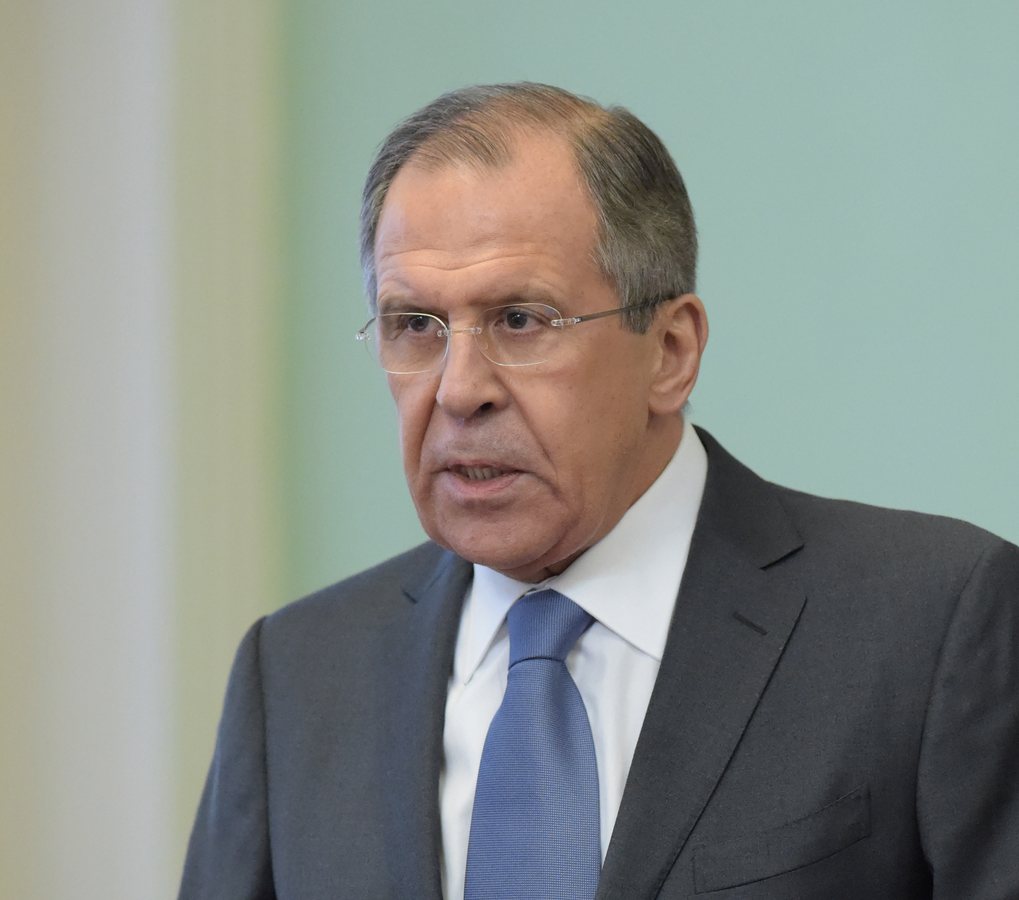
The most important thing about Sergey Lavrov’s latest statement on Germany is the difference between the words he used and the status that actually exists. On September 6, Russia’s foreign minister described German accusations and retaliatory measures as “the beginning of a real war.” He cited the closure of the Russian consulate general in Bonn, the German decision affecting the Russian House in Berlin and the historical precedent of diplomatic missions closing before World War II.
That language does not mean Russia declared war on Germany. It did not. Germany also says it is not at war with Russia. The German government’s own framework is hybrid warfare: sabotage, cyber operations, espionage, disinformation and other forms of coercion that stay below the threshold of a conventional armed attack. That distinction explains why Berlin can use security language associated with war while still treating the relationship through diplomacy, sanctions, policing and intelligence work.
The current confrontation began with an August 4 incident at Leipzig/Halle Airport. Germany says an explosive-laden drone was intended for use near a Ukrainian transport aircraft and attributes the operation to Russia. Moscow denies responsibility. Berlin has not published the complete evidentiary record. German officials say they are withholding names, travel information, video and DNA traces to protect the investigation, a reminder that public attribution and criminal evidence do not always become available at the same time.
Germany’s response is broader than one diplomatic expulsion. The Russian consulate in Bonn will close on September 18. The agreement underpinning the Russian House in Berlin has been terminated. Germany plans tighter entry controls for Russian citizens, new EU sanctions listings and tougher action against the Russian shadow fleet. Officials describe the package as proportionate and say it is designed to respond to covert pressure without producing uncontrolled escalation.
Ukraine connects these measures to a wider European security problem. The alleged sabotage attempt involved a Ukrainian aircraft, and Germany says support for Kyiv will continue. Berlin is coordinating with NATO and EU partners, meaning the issue is now part of an allied debate over how to protect transport networks and critical infrastructure from hostile actions that may be serious but fall short of an armed attack.
Russia has retaliated by announcing the closure of Goethe-Institut branches in three cities. Yet the Kremlin also says it wants diplomatic relations with Germany to survive. That is the clearest guide to the current situation. The dispute is real, the costs are rising and both sides are restricting channels of contact, but they are still operating within a diplomatic framework. What happens next will depend on the Leipzig investigation, sanctions decisions in Europe and whether either side decides to raise the stakes beyond reciprocal restrictions.
92

Source: Source: Vesti