
Memorandum
- From
- Caroline Mercer via fox - Politics
- Date
- Filed
- Politics·5 min to read
- Re
Trump DOJ Issues Updated Religious Liberty Guidance for Federal Agencies
ReTrump DOJ Issues Updated Religious Liberty Guidance for Federal Agencies
The Department of Justice under Acting Attorney General Todd Blanche has released updated guidance directing federal agencies to prioritize religious liberty protections in regulations, enforcement, and workplace accommodations, reflecting recent Supreme Court rulings.
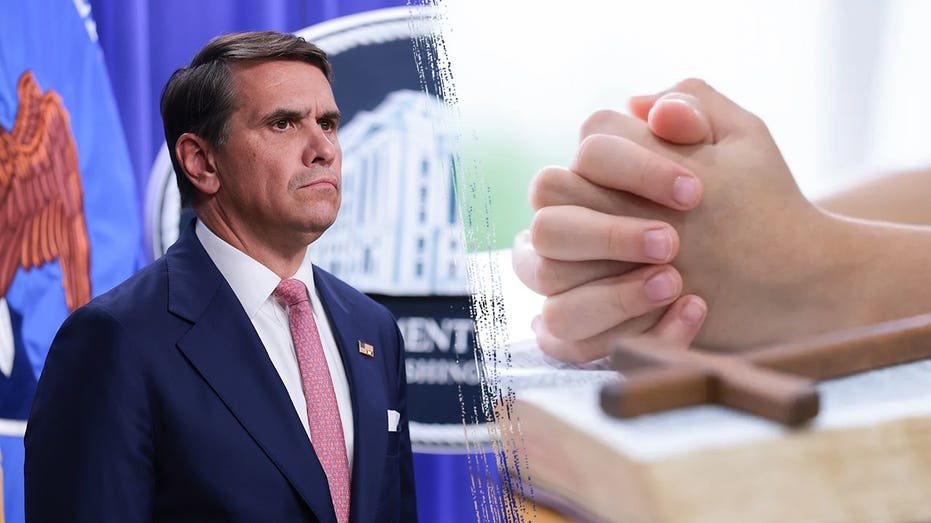
The Trump administration on Thursday directed federal agencies to give greater consideration to religious liberty when writing regulations, enforcing federal law, and accommodating employees' religious beliefs, marking the first major update to Department of Justice guidance on the issue since 2017. The updated guidance instructs executive agencies to ensure their policies comply with the First Amendment, the Religious Freedom Restoration Act, Title VII of the Civil Rights Act, and recent Supreme Court decisions that have expanded protections for religious exercise.
The Department of Justice, led by Acting Attorney General Todd Blanche, said the guidance reflects nearly a decade of new Supreme Court precedent and is intended to ensure federal agencies protect religious Americans in areas including employment, federal contracting, grants, rulemaking, and enforcement actions. Among the changes, the department said agencies should consider religious liberty concerns earlier when developing regulations, accommodate religious expression in the federal workplace when required by law, and ensure religious organizations can compete for federal grants and contracts on equal footing with secular organizations.
The guidance also reaffirms constitutional protections for churches to govern their own internal affairs and highlights recent Supreme Court rulings recognizing parents' rights to direct the religious upbringing of their children. Kelly Shackelford, president, CEO, and chief counsel of First Liberty Institute, praised the update, stating, «The updated guidance will ensure that the federal government will respect the religious liberty rights of all Americans when implementing the President's policies.» Shackelford thanked President Donald Trump «for his strong efforts to protect America's first freedom—religious freedom.»
First Liberty noted that the guidance references two Supreme Court victories involving the organization. One was Kennedy v. Bremerton School District, in which the Supreme Court ruled that a public high school football coach's postgame prayer was protected by the First Amendment. The other was Groff v. DeJoy, which held that employers generally must provide religious accommodations unless doing so would impose substantial hardship. These rulings have clarified and strengthened constitutional and statutory protections for religious exercise, according to the Department of Justice.
According to the DOJ, the Office of Legal Policy will continue working with federal agencies to review proposed regulations and other government actions for compliance with federal religious liberty protections. The updated memorandum replaces guidance issued during Trump's first administration in 2017 and incorporates Supreme Court decisions issued since then that the department says have clarified and strengthened protections for religious exercise. A DOJ spokesperson did not immediately respond to a request for additional comment on the practical impact of the updated guidance.
The move comes amid broader efforts by the Trump administration to address religious liberty concerns across federal agencies. Earlier this year, the DOJ alleged a «systematic culture» of anti-Christian bias across federal agencies under the Biden administration, signaling a shift in enforcement priorities. The updated guidance is expected to affect a wide range of federal activities, from workplace policies to grant-making, and has drawn support from religious liberty advocates who see it as a necessary step to protect First Amendment rights.
Critics, however, have raised concerns that the guidance could lead to conflicts between religious liberty and other civil rights protections, such as those based on sexual orientation or gender identity. The guidance does not explicitly address such potential conflicts, leaving room for future legal challenges. As federal agencies begin implementing the new directives, the practical impact on employees, contractors, and grant recipients will likely unfold over the coming months.
106