
Memorandum
- From
- Derek Weston via fox - Politics
- Date
- Filed
- Politics·4 min to read
- Re
Trump administration removes decades-old hiring guidelines in DEI elimination push
ReTrump administration removes decades-old hiring guidelines in DEI elimination push
The U.S. Office of Personnel Management issued a final interim rule that eliminates references to 1978 Uniform Guidelines on Employee Selection Procedures, citing a Justice Department opinion that the guidance unconstitutionally encouraged race-conscious hiring decisions. The move is part of a broader campaign to scrap diversity, equity, and inclusion policies across the federal government.
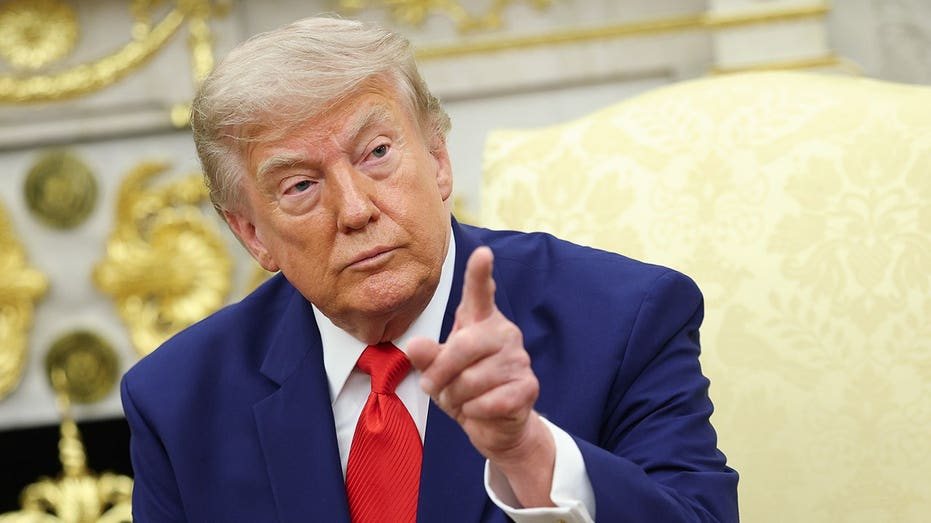
The Trump administration took another step Wednesday in its campaign to eliminate diversity, equity, and inclusion policies from the federal government by removing decades-old hiring guidelines that officials say promoted race-conscious employment decisions. The U.S. Office of Personnel Management issued a final interim rule that eliminates references to the 1978 Uniform Guidelines on Employee Selection Procedures, which had governed how federal agencies evaluate hiring practices. The change follows a recent Justice Department legal opinion that found the guidelines unconstitutional because they encouraged decision-making based on race.
The rule directly targets the concept of «disparate impact,» a legal standard holding that hiring practices producing unequal outcomes among racial groups can be problematic even if discrimination was not intentional. Administration officials argue that this standard pressured employers to prioritize racial outcomes over job qualifications. Supporters of the guidelines, however, contend they help guard against subtle forms of discrimination that might otherwise go undetected. The rule took effect immediately upon publication in the Federal Register on Thursday and will be open for public comment for 60 days before OPM decides whether to make it permanent.
OPM Director Scott Kupor said in a statement that federal hiring should be based on merit, qualifications, and the ability to perform the job. He added that the rule ensures OPM's regulations reflect legal guidance while preserving the rigorous, job-related standards that help agencies recruit and hire the most qualified workforce. OPM serves as the federal government's human resources agency, setting policies for roughly 2 million civilian federal employees across executive branch agencies. It oversees the rules governing recruitment, hiring, promotion, and workforce management.
The move marks a shift beyond shutting down DEI offices or ending diversity training programs. The administration is now targeting the legal and regulatory framework that critics argue enabled DEI policies in the first place. Since the beginning of President Donald Trump's second term, the administration has highlighted hundreds of colleges that have rolled back DEI initiatives. It has also implemented policy changes involving transgender athletic participation, parental rights, race-conscious programs, and merit-based admissions.
The administration dismantled federal DEI programs, terminated related grants and contracts, cut ties with companies embracing DEI policies, required federal contractors to comply with the administration's requirements, and warned schools they could lose federal funding over certain DEI practices. The latest rule is one of the most significant changes to federal hiring procedures in decades, directly altering the legal landscape that has shaped how agencies evaluate candidates and measure workplace fairness.