Memorandum
- From
- Connor Quincy via Fast Company
- Date
- Filed
- Politics·4 min to read
- Re
Treasury chief Bessent presses G20 allies on Iran sanctions as tariff disputes strain relations
ReTreasury chief Bessent presses G20 allies on Iran sanctions as tariff disputes strain relations
U.S. Treasury Secretary Scott Bessent is using this week's G20 finance ministers meeting in Asheville to rally support for economic pressure on Iran, even as American tariffs strain ties with key allies and the conflict with Tehran enters its seventh month.
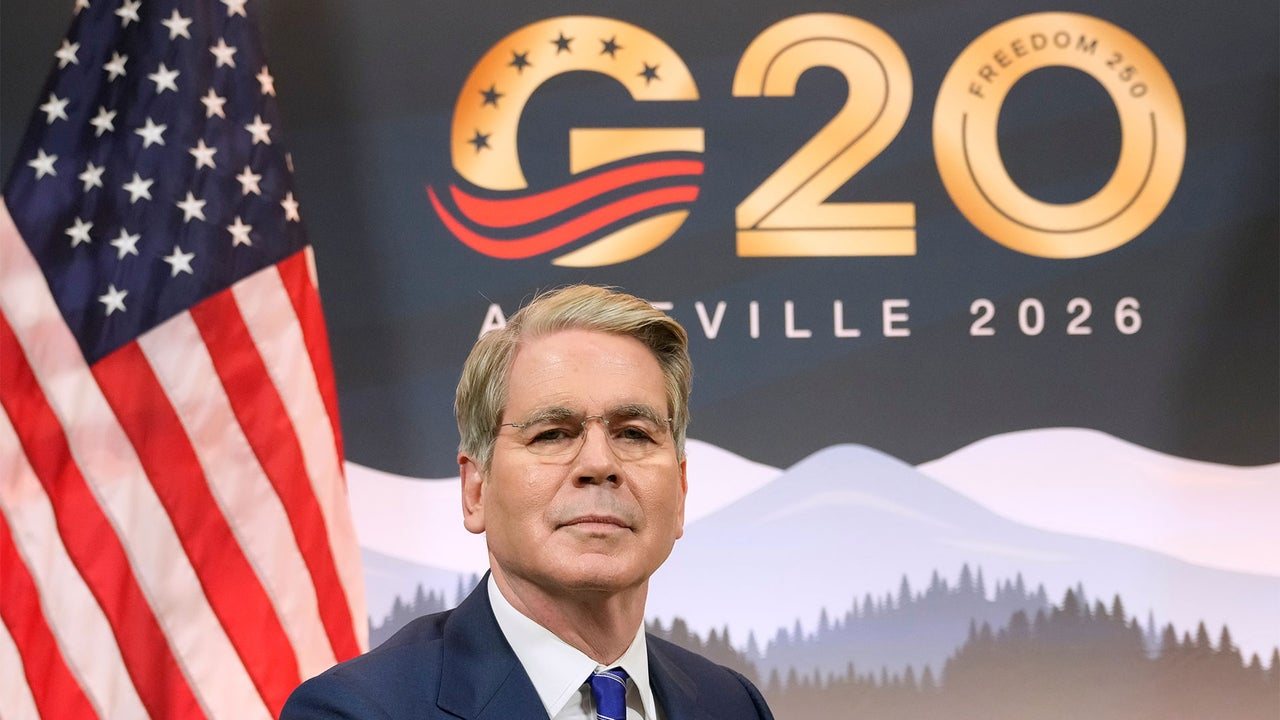
Treasury Secretary Scott Bessent is using this week's gathering of finance ministers from the world's largest economies to press for coordinated economic pressure on Iran, even as American trade policy strains relations with key allies. The Group of 20 meetings opened Monday in Asheville, North Carolina, with Bessent saying his focus is on global growth and debt reduction, but the agenda is shadowed by renewed hostilities with Iran and escalating tariff disputes with Canada.
In an interview with The Associated Press on Sunday, Bessent said the administration plans to sanction another Iranian bank as part of what he called «Operation Economic Outcast.» He said the administration is prepared to exact «financial violence if we have to.» Asked Monday how long it would take for the Iranian economy to collapse, Bessent said it could happen «within weeks or months,» adding that the economy does not have to collapse for the regime to «come to their senses.»
The European Union has backed the U.S. approach. On Sunday, the EU issued a statement welcoming added economic pressure on Iran and said it will work with the U.S. and other partners to maintain the squeeze. France's finance minister, Roland Lescure, told reporters he hopes the G20 will issue a global statement on an agreed path for worldwide economic growth. He described the world economy as «a bit like the weather in Asheville — it's unpredictable, it's foggy.»
Bessent's push for allied cooperation comes as the U.S. pursues a strategy of economic isolation against Iran rather than relying primarily on military action. The conflict recently passed the six-month mark, and while the U.S. struck Iran again on Sunday, the administration has signaled its intention to focus on sanctions and financial pressure. President Donald Trump has so far not followed through on earlier threats of an «economic D-Day» for Iran, instead largely relying on warnings to Iran's trading partners.
A particular challenge is China, the largest buyer of Iranian oil. Bessent told the AP that «all options are on the table» regarding potential sanctions on Beijing for its continued purchases. He rejected the idea that the administration is reluctant to confront China, calling that «a completely false narrative,» and insisted that both countries agree on the need to reopen the Strait of Hormuz and prevent Iran from developing a nuclear weapon.
Former U.S. diplomat Daniel Fried, who served as assistant secretary of state for European affairs under President George W. Bush, said the U.S. may «find it difficult to rally its usual friends and allies» under current circumstances. To win international support, Fried said, the administration will need to «take greater care in consulting with allies and partners than the U.S. has shown in recent months.»
The G20 meetings are being held in Asheville, a city devastated by Hurricane Helene in September 2024. The storm killed more than 250 people and caused nearly $80 billion in damage from Florida to the Carolinas. Bessent said Asheville's recovery makes it a symbolic backdrop for discussions about economic growth. He said the U.S. wants the rest of the world to join its agenda on deregulation and energy independence, and to address global imbalances, banking regulations, and sovereign debt restructuring for developing countries. «The world has this mountain of debt, and we do have to grow our way out of it,» he said.
90