Memorandum
- From
- Connor Quincy via fox - Opinion
- Date
- Filed
- Politics·5 min to read
- Re
Supreme Court to Hear Case on Permit Requirement for Home Prayer
ReSupreme Court to Hear Case on Permit Requirement for Home Prayer
The Supreme Court will hear Grand v. City of University Heights, a case testing whether a city can require a permit for religious gatherings in a home, with implications for First Amendment rights.
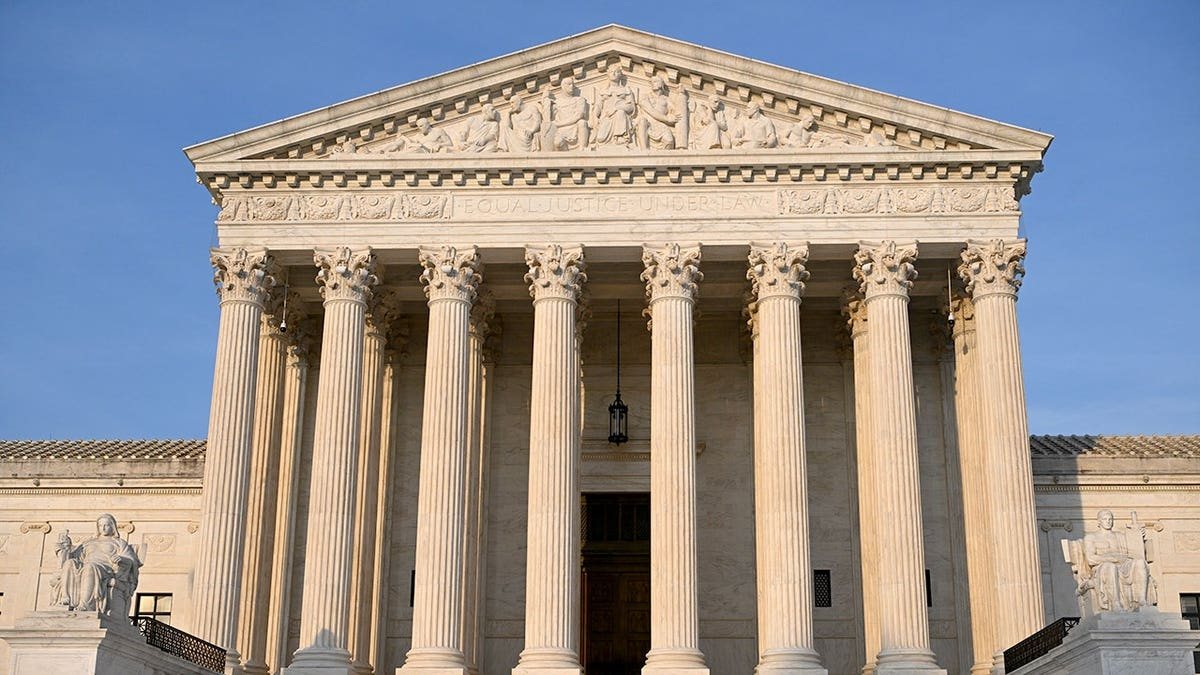
The Supreme Court has agreed to hear a case that could determine whether Americans need a government permit to pray in their own homes. The case,Grand v. City of University Heights, was accepted on June 30, 2026, and centers on a zoning dispute that has raised significant First Amendment concerns.
Daniel Grand, an Orthodox Jew living in University Heights, Ohio, began hosting a minyan—a prayer quorum of at least 10 men—in his home because his faith prohibits driving on the Sabbath, making travel to a distant synagogue impractical. After a neighbor complained, the city sent Grand a cease-and-desist letter on January 21, 2021, demanding that he obtain a special use permit to use his home as a “place of religious assembly.” Failure to comply could result in code violations and fines.
Grand canceled his next prayer meeting and applied for the permit, but the process proved hostile. At a zoning board hearing, he was heckled, and one neighbor expressed fear that the neighborhood would “be labeled as Jewish.” Grand also learned that if he obtained the permit, his home would be reclassified as a “house of worship” under the zoning code, meaning he could pray there but could no longer sleep there, as it would no longer be considered a residence.
Abandoning the permit process, Grand filed a federal lawsuit under the First Amendment and the Religious Land Use and Institutionalized Persons Act (RLUIPA). However, a unanimous panel of the Sixth Circuit Court of Appeals dismissed the case as “unripe,” citing a 1985 Supreme Court precedent,Williamson County Planning v. Hamilton Bank, which requires a final administrative decision before a land-use claim can proceed in court.
The Sixth Circuit applied this “finality rule” from property takings law to Grand’s First Amendment claim, effectively shutting the courthouse door. The court reasoned that because Grand withdrew his permit application, no final decision had been reached. Legal experts argue this creates a dangerous precedent, allowing cities to use bureaucratic processes to delay or block constitutional challenges.
The case highlights a split among federal circuits. In some parts of the country, a credible threat of enforcement is enough to bring a First Amendment claim to court, while in others, plaintiffs must exhaust local zoning procedures first. This means that the right to pray in one’s home depends on where one lives, a situation critics call a “zip code lottery” for religious freedom.
Grand’s attorneys argue that the injury occurred the moment the city sent the cease-and-desist letter. He canceled his minyan out of fear of prosecution, which they say constitutes an actual harm under the Supreme Court’s 2014 ruling inSusan B. Anthony List v. Driehaus, which held that a credible threat of enforcement is an actionable injury.
The city of University Heights has defended its zoning ordinance, arguing that it applies equally to all groups and that the permit process is necessary to regulate land use. However, critics note that neighbors are free to host social gatherings, such as watching a ball game or playing poker, without any permit, raising questions about religious discrimination.
The Supreme Court’s decision to hear the case has drawn attention from religious liberty advocates and legal scholars. They argue that the finality rule, while sensible in property takings cases where the extent of injury depends on the administrative process, has no place in First Amendment claims, where the injury is immediate upon government coercion.
If the Court rules in Grand’s favor, it could strike down the requirement that plaintiffs exhaust local zoning procedures before challenging government actions that chill religious expression. Such a ruling would make it easier for individuals to bring free exercise claims directly to federal court, without first navigating potentially hostile local boards.
The case also has implications beyond religious gatherings. The same legal principle could apply to other First Amendment activities, such as operating a bookstore or hosting a political meeting, where a city might use permit requirements to suppress disfavored speech or assembly.
Oral arguments are expected in the Supreme Court’s next term, which begins in October 2026. A decision is likely by mid-2027. The outcome could reshape the balance between local land-use authority and constitutional rights, with lasting effects on how Americans practice their faith in their own homes.
84