Memorandum
- From
- Connor Quincy via fox - Opinion
- Date
- Filed
- Politics·3 min to read
- Re
Pope Leo XIV casts absentee ballot in Illinois, raising questions about foreign leaders voting
RePope Leo XIV casts absentee ballot in Illinois, raising questions about foreign leaders voting
Pope Leo XIV, born Robert Prevost, became the first pope to vote in a U.S. election by mailing an absentee ballot to Will County, Illinois. The move has prompted questions about whether a foreign head of state can hold voting rights in the United States.
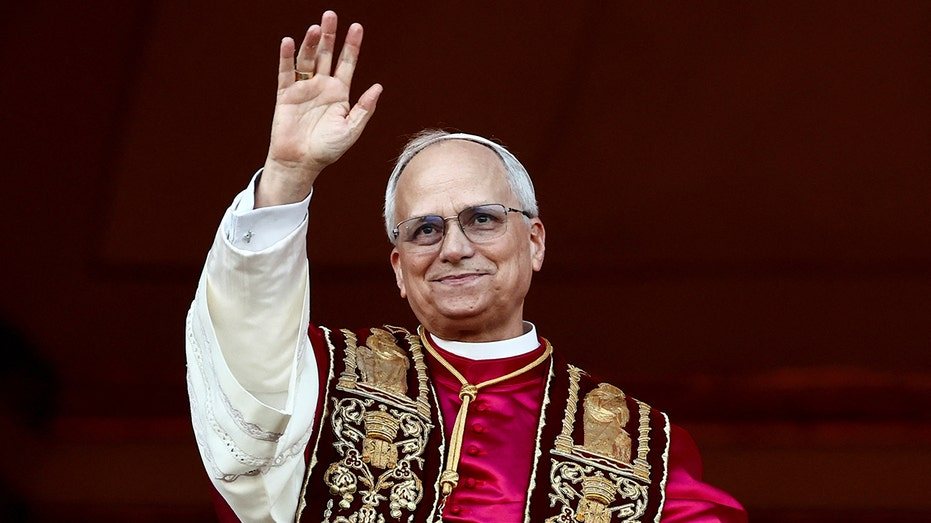
Pope Leo XIV, born Robert Prevost and a longtime Chicago native, has become the first pope ever to vote in a U.S. election. He mailed an absentee ballot to Will County, Illinois, and the county clerk's office confirmed to Fox News Digital that Robert Prevost is on the list of individuals who requested a vote-by-mail ballot.
The Holy See Press Office said the pope has exercised his right to vote as a United States citizen whenever he was eligible, and that he submitted his mail-in ballot in Chicago in keeping with a long-standing practice of civic participation. The office maintains that Pope Leo retains his U.S. citizenship while serving as head of the Vatican, a sovereign state with its own diplomatic corps, court system, local government and Swiss Guards.
The development has raised legal and political questions. The State Department has said dual citizens do not have to choose between their countries, though it does not expect them to serve as the head of another country. Under the Uniformed and Overseas Citizens Absentee Voting Act, military personnel and citizens abroad may vote in U.S. elections, and such ballots are no longer treated as absentee votes requiring an excuse but simply as mail-in ballots. Whether that right should continue once a citizen assumes leadership of a foreign nation is the central question now being raised.
Commentator Jonathan Turley, who was raised Catholic in Chicago, wrote that he was surprised a head of a foreign state could vote in U.S. elections. He noted the oddity of a person leading another country while still participating in American voting, and pointed to concerns about foreign interference in U.S. elections. He also observed that the pope is greatly loved and that his values are aligned with those of the United States, while stressing that he is also the head of a foreign state.
The pope's voting has also drawn attention to his personal ties to Illinois. Turley noted that when Illinois Gov. J.B. Pritzker met with the pope last year, he was in effect meeting with a constituent and voter. Turley wrote that he was most surprised the Vatican has no policy against such voting, though he acknowledged the situation is unprecedented.
Turley also pointed to the process by which popes are chosen. Cardinals elected from the global faithful pledge to resist outside interference in the election of the Roman Pontiff, and popes often retain national citizenship from other countries. Turley argued it is notable that a pope does not shed that status upon taking office. He wrote that the question is uncomfortable but worth discussing, since a similar situation could arise with a dual citizen leading another nation. The Holy See's position is that the pope's voting is consistent with his long-standing civic rights, and the question of how U.S. law applies to a foreign head of state remains open.
4