Memorandum
- From
- Caroline Mercer via Fortune | FORTUNE
- Date
- Filed
- Business·3 min to read
- Re
TD Bank exec says simple cash-back cards often beat complex rewards
ReTD Bank exec says simple cash-back cards often beat complex rewards
TD Bank's head of credit cards and unsecured lending, Chris Fred, says a flat-rate cash-back card often serves the average consumer better than rewards programs built around bonus categories and high annual fees.
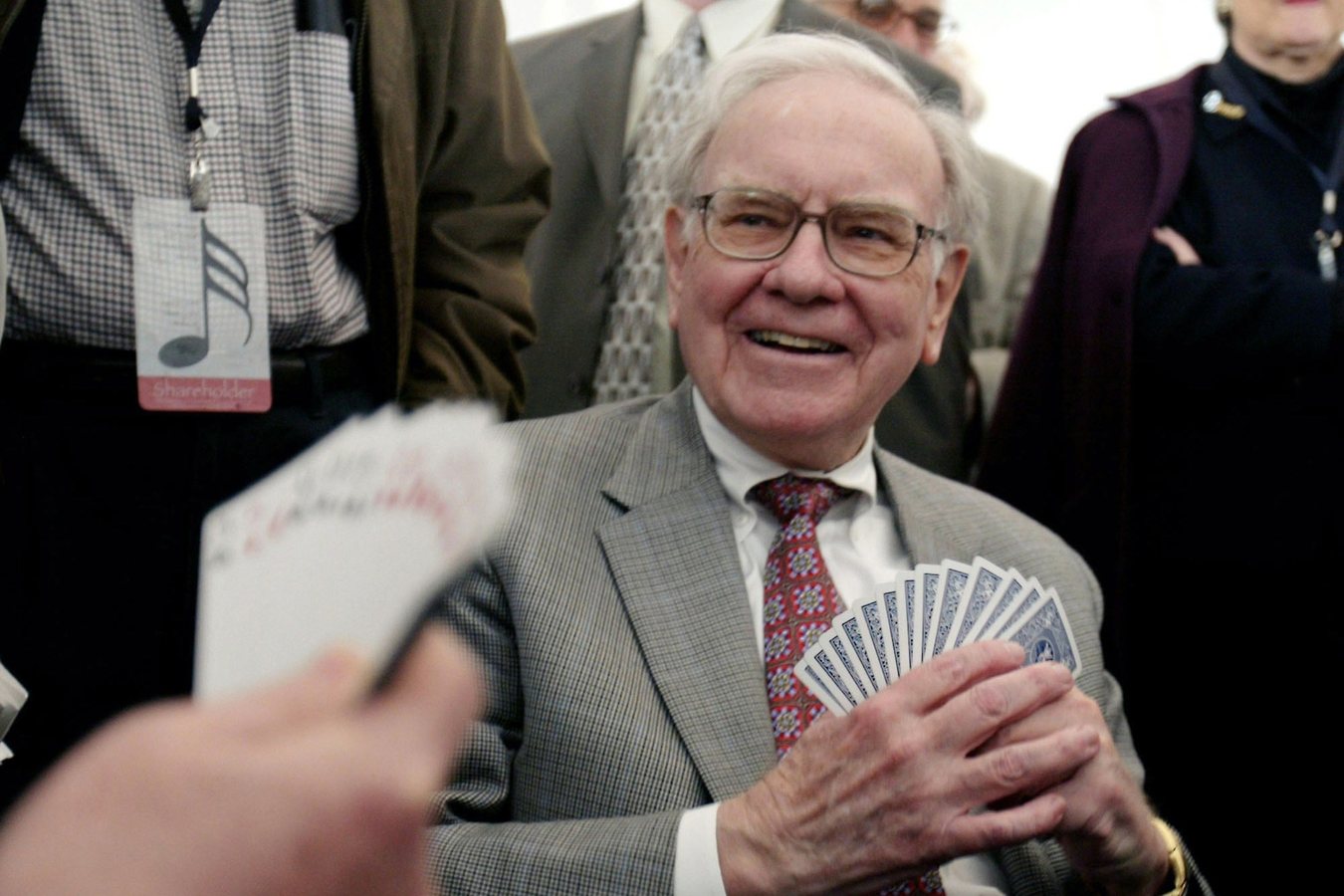
A TD Bank executive is urging consumers to treat credit card rewards the way Warren Buffett suggests treating investments: stick to what you understand and avoid complicated strategies. Chris Fred, the bank's head of credit cards and unsecured lending, said a simple flat-rate cash-back card often beats the fancy bonus-category cards that many people chase.
Fred told Fortune that Buffett's advice to buy the index fund applies to credit cards as well. « Just like Warren Buffett says to buy the index fund, a good flat-rate card often wins out over all the fancy bonus categories, » he said. The comparison draws on Buffett's well-known idea of a « circle of competence, » in which investors stick to what they know and leave the rest to others.
The argument centers on the practice of « churning, » in which consumers open multiple cards to earn sign-up bonuses and category rewards. Fred said that approach can be too difficult for the average person. Under a rewards system with several categories, a cardholder might earn 4 points per dollar on dining, 3 on groceries, 1.5 on travel and only 1 on pharmacies and basic goods. Those higher rates can be offset by lower earnings elsewhere, and tracking which card to use for each purchase adds mental effort.
Fred contrasted that with TD Bank's own lineup of three credit cards, which includes a card offering 2% cash back on everything, a base card paying 1% on everything, and a card offering 2% to 3% cash back in select categories. He said consumers often assume they can beat a 2% flat rate, but on average they do not. A blanket 2% return, he argued, gives cardholders a guaranteed result without the need to consult a spreadsheet at the checkout counter.
Annual fees add another layer to the calculation. Fred said that the higher a card's fee, the more benefits it typically carries, but warned that those benefits only justify the cost if the cardholder actually uses them. Some premium cards cost nearly $1,000 a year and are marketed as worth thousands of dollars in perks, such as monthly takeout or rideshare credits, semiannual hotel bonuses, or early access to restaurant reservations and exclusive sporting events. Fred said these benefits are structured in a way that can discourage their use, making the fee harder to justify for many customers.
The remarks come as the credit card rewards market continues to expand with category bonuses and premium perks. For readers weighing their options, Fred's message is that a simple, no-fee cash-back card may deliver a more predictable return than a complex rewards strategy that requires constant attention.
3