Memorandum
- From
- Connor Quincy via Fortune | FORTUNE
- Date
- Filed
- Politics·3 min to read
- Re
Indian American voters shift sharply toward Democrats in Trump’s second term
ReIndian American voters shift sharply toward Democrats in Trump’s second term
A Carnegie Endowment survey finds Indian Americans have moved strongly against Republicans ahead of the midterms, reversing earlier GOP gains tied to H-1B visa policy, anti-Indian rhetoric and cost-of-living concerns.
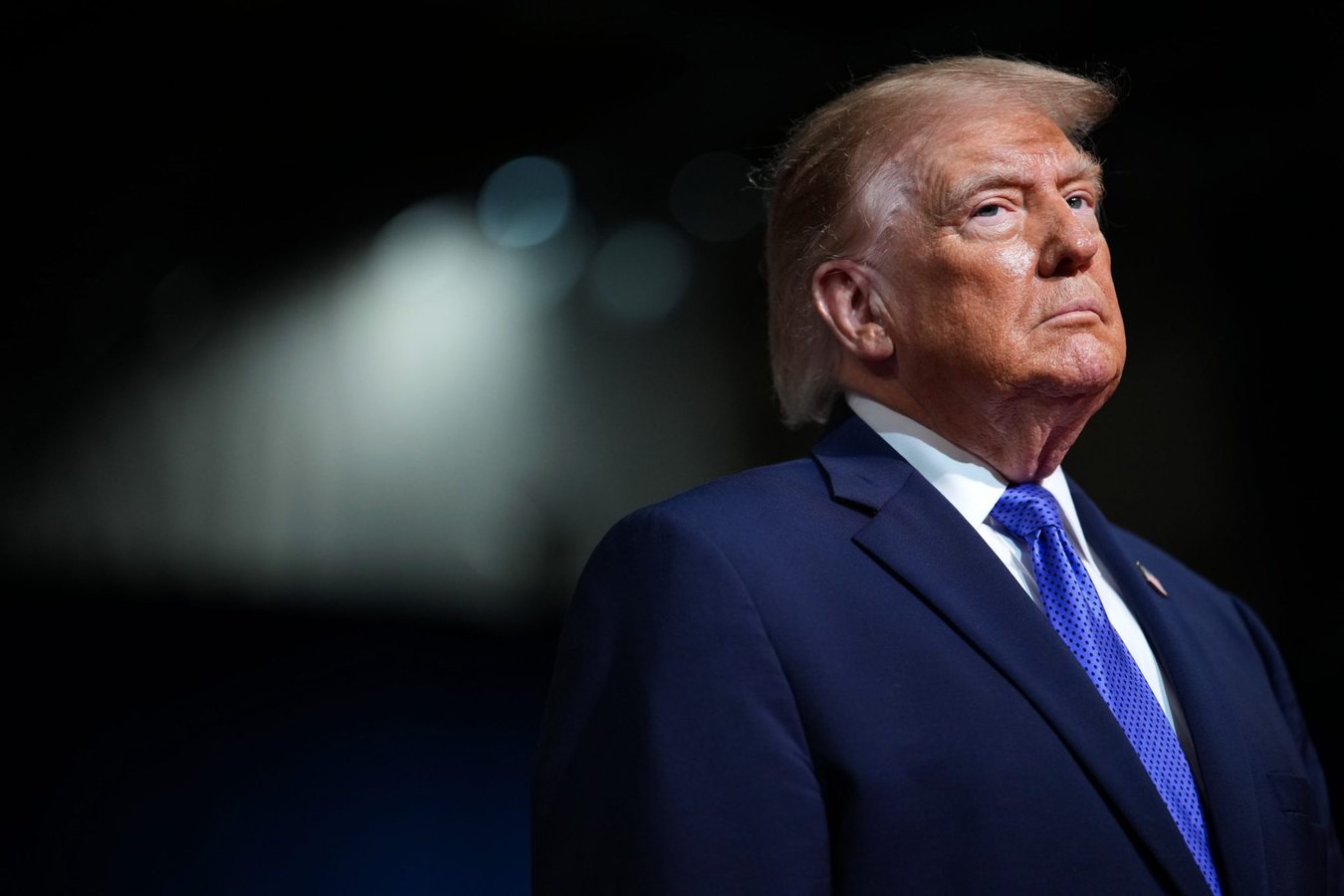
Indian American voters, who Republicans once considered a natural conservative constituency, are now leaning heavily toward Democrats, according to a new survey that shows Donald Trump’s second term has erased the party’s earlier gains among the community. A Carnegie Endowment report published on Nov. 2 found that the Republican advantage built up during Trump’s 2024 campaign had largely evaporated by the midterm season.
In 2024, Trump won about 30 percent of Indian Americans, up from 22 percent in 2020. Republican support among Indian women and among Indian men over 40 kept rising until January 2026, the report’s authors found. By the time of the midterms, however, those gains had reversed.
The Carnegie survey polled 1,000 Indian American adults between Oct. 7 and Oct. 27. Nineteen percent said they planned to back the Republican candidate in their House district, while 62 percent said they would vote for the Democrat. In Senate races, 63 percent said they would back the Democratic candidate and 21 percent the Republican. The report was co-authored by Devesh Kapur of Johns Hopkins University.
The respondents pointed to several drivers. Among them were restrictions on H-1B visas, anti-Indian rhetoric, and worries about the cost of living. Indians hold 71 percent of H-1B visa approvals, which made the policy especially consequential for the community. In August, Trump proposed a $103,265 surcharge on companies hiring H-1B workers.
Rhetoric also played a role. In September, Bo French, a Texas Republican, mocked South Asian University of Texas students on X. Sen. John Cornyn publicly condemned the post. The episode became one of several points of friction that the survey respondents referenced when explaining their views.
Religion shaped the picture as well. The survey found that 31 percent of Indian American Christians identify as Republicans, compared with 21 percent of Hindus, 10 percent of Muslims and 8 percent of those with no religious affiliation. Republican strength was therefore uneven across faith communities within the same population.
The shift was visible in Texas, where Democrat James Talarico beat Republican Ken Paxton in the Senate race. Talarico won Fort Bend County, a diverse suburban area, with 63 percent of the vote. The county’s result reflects the broader pattern the survey describes in the state’s growing South Asian electorate.
The report leaves an open question about what comes next. Roughly 35 percent of Democratic-leaning Indian Americans said their preference was driven mainly by opposition to the Republican Party rather than loyalty to Democrats. Whether the Democratic gains will prove durable, or depend on the current political climate, remains uncertain.
1