Memorandum
- From
- Delaney Sawyer via FOX News
- Date
- Filed
- Politics·6 min to read
- Re
Federal judge strikes down Illinois laws granting benefits to illegal immigrants
ReFederal judge strikes down Illinois laws granting benefits to illegal immigrants
A federal judge ruled Illinois' in-state tuition and financial aid policies for illegal immigrants unconstitutional, marking another victory for the Trump administration's immigration enforcement efforts.
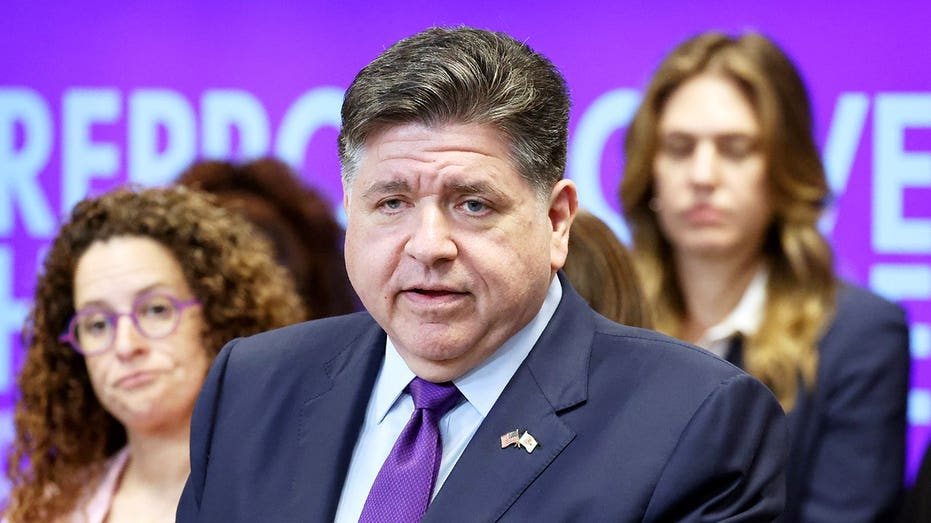
Illinois Governor JB Pritzker suffered a major legal defeat Friday after a federal judge struck down key state laws that provided in-state tuition, financial aid, and scholarships to illegal immigrants, handing the Trump administration another win in its nationwide immigration enforcement campaign. U.S. District Judge Stephen McGlynn, a Trump appointee serving in the Southern District of Illinois, ruled that the state's in-state tuition policies, the RISE Act, and the Illinois DREAM Act are «unconstitutional and invalid» as applied to illegal immigrants. The decision permanently blocks enforcement of these laws, though McGlynn delayed the order for 14 days to allow the state to file an appeal.
The Justice Department filed the lawsuit against Illinois and several colleges in September 2025, arguing that the state violated federal law by offering education benefits to illegal immigrants that were not made equally available to all U.S. citizens regardless of residency. Federal law, specifically 8 U.S.C. § 1623, prohibits states from granting in-state tuition or other postsecondary education benefits to illegal immigrants unless they provide the same benefits to every U.S. citizen. The Illinois policies, according to the DOJ, unlawfully prioritized undocumented students over American citizens from other states.
U.S. Attorney Steven Weinhoeft celebrated the ruling, stating, «Illinois sought to incentivize illegal immigration on the taxpayer's dime by treating illegal aliens better than U.S. citizens living in other states, in clear violation of federal law.» He added that the ruling enforces the statute Congress wrote and stops the state from putting illegal aliens ahead of American citizens. The decision is the latest in a string of successes for the Trump administration's effort to dismantle state-level policies extending higher education benefits to undocumented immigrants.
The Justice Department has either won lawsuits or reached settlements in similar cases against Texas, Kentucky, Oklahoma, and Nebraska. In the Nebraska case, the state agreed to end in-state tuition benefits for illegal immigrants as part of a settlement. Lawsuits remain pending against Minnesota, Virginia, California, New Jersey, Kansas, Massachusetts, Rhode Island, Maryland, and Colorado. The day before the Illinois ruling, the DOJ filed a new lawsuit against Colorado, challenging its ASSET Act and related policies that provide lower tuition rates and state financial aid to illegal immigrants while denying those same benefits to out-of-state U.S. citizens.
Associate Attorney General Stanley Woodward said of the Colorado case, «For three decades, Congress has made clear that Colorado cannot give education benefits to illegal aliens that it does not give to all American citizens.» He emphasized that the administration's litigation efforts will not cease until President Donald Trump's promise is fulfilled that illegal aliens will not obtain preferential treatment over the nation's own citizens. Colorado Governor Jared Polis' office defended the state's policies, calling federal control over in-state tuition «absurd» and arguing that expanding access to education helps students gain skills for good-paying jobs.
Republican Representative Mary Miller of Illinois praised the court's decision on social media, writing, «This is a win for Illinois taxpayers and American students who were shut out while Pritzker prioritized foreigners in our country illegally.» The ruling directly affects thousands of undocumented students in Illinois who had been eligible for in-state tuition rates, state financial aid through the RISE Act, and scholarships under the Illinois DREAM Act. The state now faces the choice of appealing to the Seventh Circuit Court of Appeals or complying with the ruling, which could result in significant tuition increases for those students.
The case is part of a broader pattern of federal enforcement against states that have adopted sanctuary-style policies. The Trump administration has also sued states that resist cooperating with federal immigration authorities, including a recent escalation against Colorado over its refusal to comply with ICE detainer requests. The Illinois ruling reinforces the administration's position that state and local governments cannot create policies that effectively incentivize illegal immigration or provide benefits that surpass those available to American citizens.
Legal experts note that the outcome could have ripple effects beyond Illinois. The pending lawsuits against a dozen other states suggest the administration is committed to a uniform interpretation of federal immigration law applied to higher education benefits. If the rulings are upheld on appeal, they could force states like California, New York, and New Jersey to overhaul their tuition and financial aid policies for undocumented students. The Illinois decision, while subject to appeal, represents a significant legal precedent in the ongoing conflict between state-level immigrant-friendly policies and federal immigration enforcement.
89