Memorandum
- From
- Caroline Mercer via FOX News
- Date
- Filed
- Politics·5 min to read
- Re
DNC spends over $800,000 on non-voting territories amid $2 million debt
ReDNC spends over $800,000 on non-voting territories amid $2 million debt
The Democratic National Committee, facing $2.2 million in liabilities, spent approximately $840,000 on Democratic organizations in five non-voting U.S. territories, raising questions about its financial priorities ahead of the midterm elections.
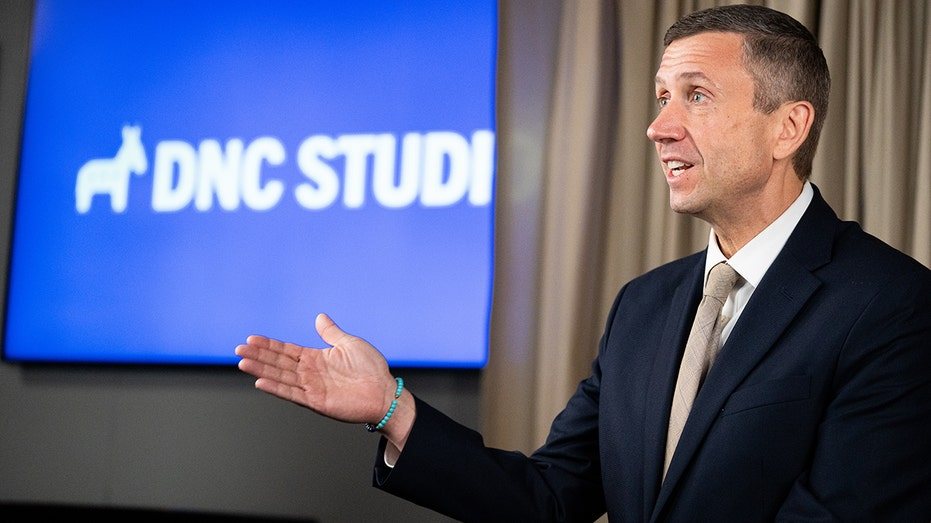
The Democratic National Committee entered the final stretch before the midterm elections with debts exceeding its cash reserves by more than $2 million, while simultaneously spending over $800,000 on Democratic organizations in non-voting U.S. territories, according to campaign finance filings and internal reports. The financial picture has raised scrutiny of the party's spending strategy and its ability to support House candidates in competitive swing districts.
Federal Election Commission filings show the DNC ended June with $16.3 million in cash and $18.5 million in debts, leaving liabilities approximately $2.2 million above its reserves. The Republican National Committee, by contrast, reported about $128.5 million on hand and no outstanding debt. The New York Times reported that the DNC had asked vendors to delay billing until after the elections and informed congressional leaders it would not make its traditional transfers to the House and Senate campaign committees.
The DNC and an affiliated committee spent roughly $840,000 on Democratic organizations in five non-voting U.S. territories since last year, including the Virgin Islands, Puerto Rico, Guam, American Samoa, and the Northern Mariana Islands. The committee defended the spending as part of a four-year State Partnership Program that transfers more than $1 million per month to 57 Democratic state and territorial parties. Each party receives $17,500 monthly, while parties in Republican-controlled states receive an additional $5,000 through the DNC’s Red State Fund. State parties also receive six figures’ worth of voter data and technology annually, along with six regional training boot camps each two-year cycle and five new regional directors.
DNC Chairman Ken Martin said the investment reflects his strategy of moving resources beyond Washington and strengthening local party organizations. «The current DNC has raised the most money of any DNC without the White House in the 198-year history of the Democratic Party,» Martin wrote in a Substack post. «If the question is whether the Democratic Party will be ready to win — everywhere, at every level, in this election and for the decade ahead — the answer is a resounding yes.» Veteran DNC member Donna Brazile told The New York Times that Martin needed major assistance. «Ken needs help — H-E-L-P,» Brazile said. «And if he’s reluctant to say it, I’m here to help him ask. It’s hard. It’s very difficult.»
The committee’s financial position received additional scrutiny when digital news publication NOTUS reported that the DNC used its headquarters as collateral for a $15 million credit line. A DNC official said the building had also secured credit lines in several previous election cycles. «This is not new,» the official said. «The loan documents were publicly released in November, and the DNC’s building was also used as collateral in our prior lines of credit in 2019, 2018, 2014, and many other years.»
The cash disparity between the parties extends to the committees directing resources into House races. The National Republican Congressional Committee ended June with $92.7 million, compared with $79 million for the Democratic Congressional Campaign Committee. A recent Supreme Court decision allowing unlimited coordinated spending between parties and candidates made committee reserves more consequential in competitive districts. Control of the House could turn on fewer than 20 races, according to The Associated Press.
Despite the cash gap, Democratic Congressional Campaign Committee Chair Suzan DelBene pointed to the committee’s second-quarter fundraising and the performance of Democratic candidates. «The DCCC's strong quarter of fundraising combined with the incredible results of our Frontliners and challengers show that across the battlefield, Democrats are assembling people-powered campaigns ready to win in November and make Hakeem Jeffries the next speaker of the House,» DelBene said in a press release.
In a statement, DNC Executive Director Roger Lau disputed the characterization of the vendor discussions as evidence of financial distress. «This is nothing more than standard negotiations with vendors over contracts and payment processes,» Lau said. Midterm elections are historically difficult for the party of the incumbent president. Democrats are trying to win back control of the House for the first time since Republicans regained the majority in 2022. Republicans also control the U.S. Senate after winning the majority in 2024.
71