Memorandum
- From
- Caroline Mercer via FOX News
- Date
- Filed
- Politics·4 min to read
- Re
Bipartisan backlash grows over Flock license plate cameras and mass surveillance
ReBipartisan backlash grows over Flock license plate cameras and mass surveillance
Lawmakers from both parties are pushing back against automatic license plate reader cameras, citing privacy concerns and cases of misuse by law enforcement.
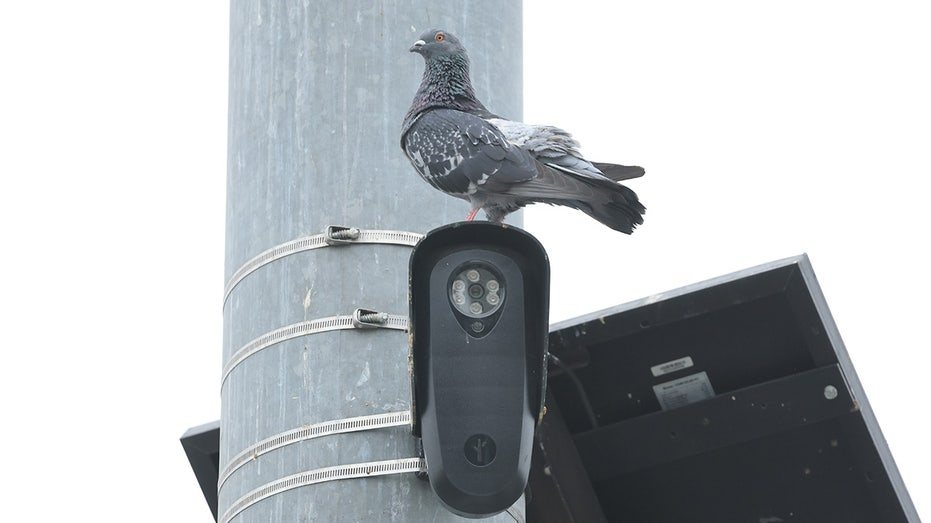
Lawmakers in Washington are turning their attention to a growing privacy concern that is drawing bipartisan criticism: the widespread use of automatic license plate reader (ALPR) cameras by law enforcement. The devices, which capture and analyze vehicle data on public roads without drivers' consent, have become a flashpoint in the national debate over surveillance and civil liberties.
Flock Safety, one of the largest companies in the ALPR market, has come under particular scrutiny. Critics argue that advances in artificial intelligence have expanded the capabilities of these cameras well beyond reading license plates, raising questions about the limits of what they can legally observe. Rep. Keith Self, R-Texas, told Fox News Digital that the technology has evolved to the point where it can perform facial recognition and see inside vehicles, making it far more invasive than a simple plate reader.
Rep. Greg Steube, R-Fla., pointed to a recent case in his district where a former Sarasota police officer was arrested after allegedly misusing Flock camera technology to track a specific license plate more than 300 times. Steube said the incident highlights the need for legal parameters to protect Americans' Fourth Amendment rights. He also said he is considering filing federal legislation and has threatened to withhold federal funding from Sarasota unless local officials agree to impose reasonable restrictions on the use of the cameras.
The debate has also spilled into the political arena. In Michigan, Democratic Senate nominee Abdul El-Sayed released a campaign video accusing his opponent, former Rep. Mike Rogers, of supporting Flock cameras. A spokesperson for Rogers responded that he "vehemently opposes unchecked use of Flock cameras to track law-abiding citizens." Will Lawrence, a Democrat running for the House in Michigan's 7th Congressional District, said he would stand with anyone in Congress who wants to put limits on unchecked mass surveillance.
On the progressive side, Rep. Delia Ramirez, D-Ill., said private tech companies have amassed profits off the use of mass surveillance technology and called it a threat to democracy and civil liberties. She urged Congress to stop the ever-expanding surveillance state.
Privacy concerns have prompted efforts in several communities, including Lansing, Michigan, and Bernadillo County, New Mexico, to cut ties with Flock Safety. However, supporters of the technology point to its successes. Flock Safety founder and CEO Garrett Langley said the cameras have helped police locate missing children at least twice, including after a recent carjacking in Atlanta. He argued that an outright ban on the technology would be like banning vehicles, and instead called for regulations similar to those governing drunk driving, seatbelts, and airbags.
Flock has said it does not use facial recognition and has introduced new safety controls in response to public backlash. Still, lawmakers like Reps. Tim Burchett, R-Tenn., and Thomas Massie, R-Ky., are pushing bills aimed at reining in the use of ALPRs. The growing bipartisan concern suggests the issue is likely to remain a significant topic of debate in the coming months.
58