
Memorandum
- From
- Caroline Mercer
- Date
- Filed
- News·4 min to read
- Re
Why Poland is reconsidering another Patriot transfer to Ukraine
ReWhy Poland is reconsidering another Patriot transfer to Ukraine
A July reversal in Warsaw links three issues: Ukraine’s immediate need, Poland’s own air-defense reserve and the ability of NATO and the U.S. to backfill missiles.
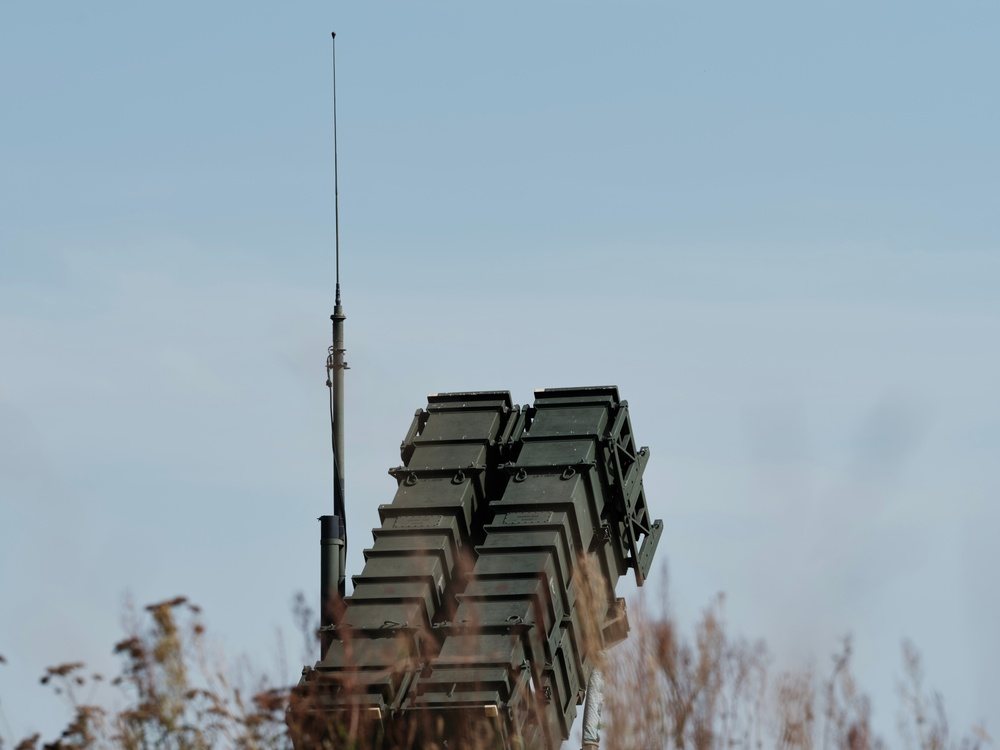
Poland’s latest position on Patriot missiles can be read as a three-part equation: what Ukraine needs now, what Poland must keep for itself, and how quickly allies can replace anything Warsaw releases. Prime Minister Donald Tusk said on July 30 that Poland would consider further aid to Ukraine, including Patriots, after previously saying in mid-July that no new transfer was planned because Polish stocks were limited.
The immediate context was a Russian mass strike on Ukraine that spilled into Polish airspace. An armed missile fell in the Lublin region. The incident sharpened a security argument Poland has made throughout the debate: supporting Ukrainian air defense can reduce risks to Polish territory, but donating too much from national inventories can create a different vulnerability.
Poland has already made one limited transfer of PAC-3 missiles. Defense Minister Wladyslaw Kosiniak-Kamysz said the decision followed consultations with NATO and U.S. military leadership in Europe. He argued that the quantity transferred did not reduce Poland’s own ability to defend its airspace.
The arrangement also included an allied safety net. Deputy Defense Minister Cezary Tomczyk said Poland had reached an understanding with NATO Secretary General Mark Rutte and the United States under which Warsaw could receive rapid reinforcement if a threat to Poland emerged. The promise matters because a missile handed over today can take far longer to replace through ordinary procurement.
That mismatch between battlefield time and factory time explains Ukraine’s broader request. In early July, Kyiv appealed to roughly 40 partner countries to provide Patriot missiles from existing stocks in exchange for later replacement. It also urged contributions through multinational purchasing mechanisms. The model effectively asks allies to lend readiness now while the industrial base catches up later.
Poland is also pursuing a longer-term fix. In Washington on July 23, Deputy Defense Minister Magdalena Sobkowiak-Czarnecka proposed trilateral Patriot missile production involving the United States, Ukraine and Poland. Her case was that Poland could serve as a secure manufacturing location linked to Ukraine without placing the plant directly inside the war zone. She said talks among the parties would continue.
A separate servicing agreement adds another layer. Poland has said it is among countries working with the United States and European partners on servicing PAC-3 missiles in Europe. Maintenance capacity does not solve the shortage of interceptors, but it can reduce turnaround times and build a more resilient regional support network.
The U.S. licensing question may eventually reshape the market further. Ukrainian President Volodymyr Zelenskyy said in late July that President Donald Trump had agreed to provide Ukraine a license to produce Patriot missiles. The White House had not publicly confirmed that statement at the time, leaving technical and legal details unresolved.
For now, the near-term decision remains simpler. Poland must decide whether its available stock and allied guarantees are strong enough for another release. If the answer is yes, the transfer would provide Ukraine with missiles faster than a new factory can. If the answer is no, the same bottleneck will persist: plenty of political demand, but too few immediately available interceptors.
60

Source: Source: Rzeczpospolita