
Memorandum
- From
- Connor Quincy
- Date
- Filed
- News·4 min to read
- Re
Why One Bad AI Answer Wiped Out a Chinese Farmer’s Sesame Field
ReWhy One Bad AI Answer Wiped Out a Chinese Farmer’s Sesame Field
The farmer’s loss shows how repeated accurate answers can create dangerous confidence when a general AI tool moves from information to real-world instructions.
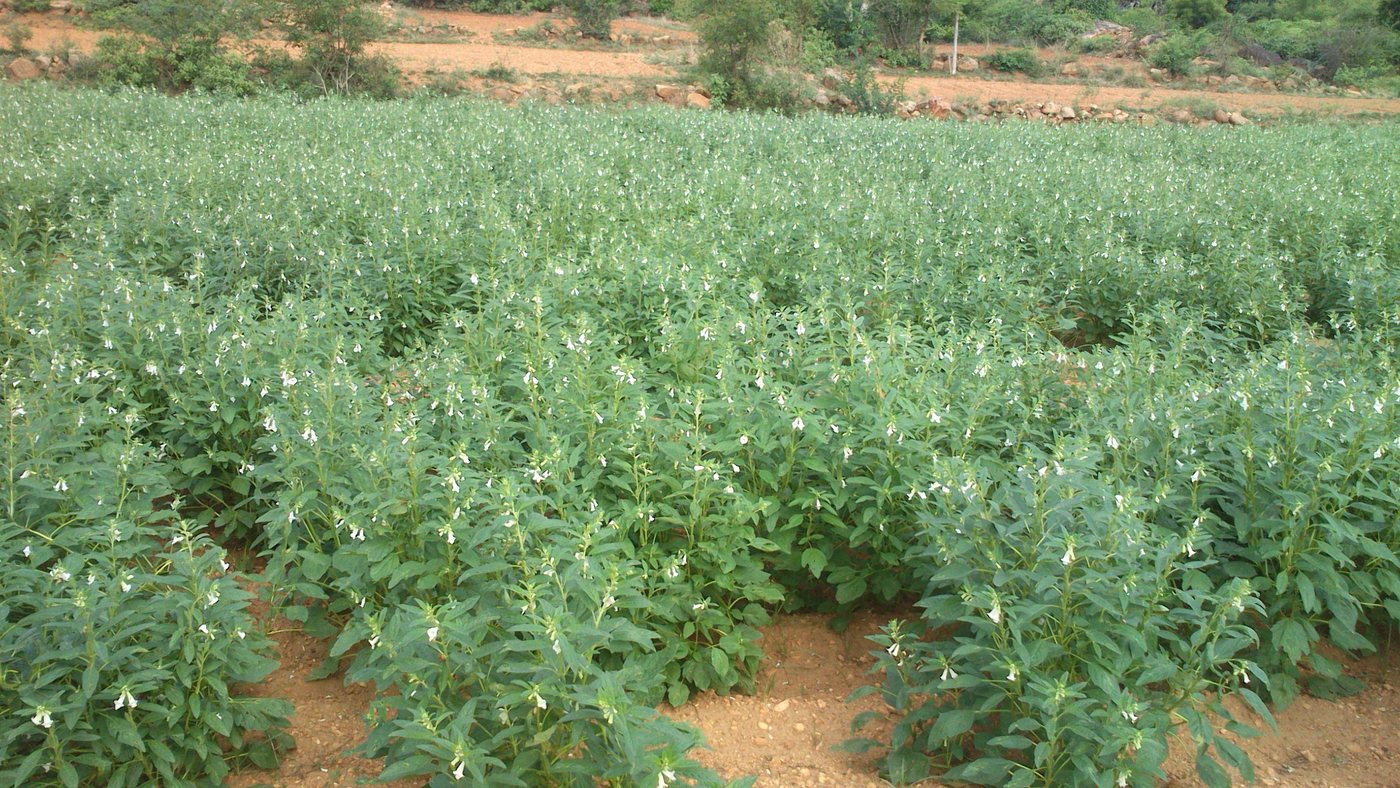
The striking part of a Chinese farmer’s crop failure is not that an AI system gave a bad answer. Generative systems are known to make mistakes. The more consequential part is that the answer arrived after roughly a year of useful ones.
A 67-year-old farmer surnamed Wu in Chuzhou had been using an unnamed AI app for agricultural questions, according to CTWANT reporting relayed by Tom’s Hardware and The Economic Times. He asked about weather, fertilizer and pest management. At first he was cautious. Over time, the tool became trusted enough that he stopped treating every recommendation as something that needed independent confirmation.
That change mattered when Wu asked how to control weeds and pests in sesame. The AI produced a treatment plan involving herbicides and insecticides. He applied it to 150 mu — approximately 10 hectares, or 24.7 acres — without consulting an agricultural technician first.
The next morning, weeds were dying. So were the sesame seedlings.
Reporting on the incident identifies fomesafen among the recommended herbicides. Fomesafen is used against broadleaf weeds, and Chinese pesticide-registration records specify crop uses and warn that some non-target crops are sensitive. Specialists cited in the original report focused on that ingredient when explaining the damage. The public accounts do not establish the exact financial loss, and they do not name the AI service.
This is a useful case for separating three questions that often get collapsed into one. First, can a language model provide useful agricultural information? Wu’s previous experience suggests it sometimes can. Second, can it be trusted to generate a field-ready chemical recipe? That requires much stronger safeguards. Third, what happens to user behavior after a system performs well for months? The answer may determine whether a disclaimer has any practical value.
The chat interface reportedly carried a standard warning that AI-generated information might be wrong and should be verified. Yet a warning competes with a user’s lived history. If a tool has saved time and produced good answers repeatedly, the incentive to perform the same verification every time tends to weaken.
Pesticide guidance also has a structure that general language models may not naturally enforce. A safe recommendation requires crop identity, growth stage, product registration, dose, formulation and application method. A 2024 Chinese study on post-emergence herbicides in sesame found meaningful differences in crop injury and safety among treatments. That is the kind of domain constraint a fluent answer can overlook.
China has already moved toward a more specialized approach. In May 2026, researchers introduced Green Shield, a crop-protection LLM that checks the national pesticide-registration database and is designed to block noncompliant recommendations. Its developers explicitly cited inaccurate and risky pesticide advice from general-purpose models as a problem.
The lesson is therefore not simply “do not use AI on a farm.” It is that the boundary between an informational assistant and an operational decision system needs to be explicit. When an answer can trigger an irreversible physical action, verification cannot be left to a small line of text after trust has already been built.
72

Source: Source: Tom’s Hardware