
Memorandum
- From
- Caroline Mercer
- Date
- Filed
- News·4 min to read
- Re
Why Europe’s Patriot stocks matter more than new pledges right now
ReWhy Europe’s Patriot stocks matter more than new pledges right now
Ukraine’s near-term air-defense problem is a timing gap: new production is growing, but winter demand arrives before the factories can deliver at scale.
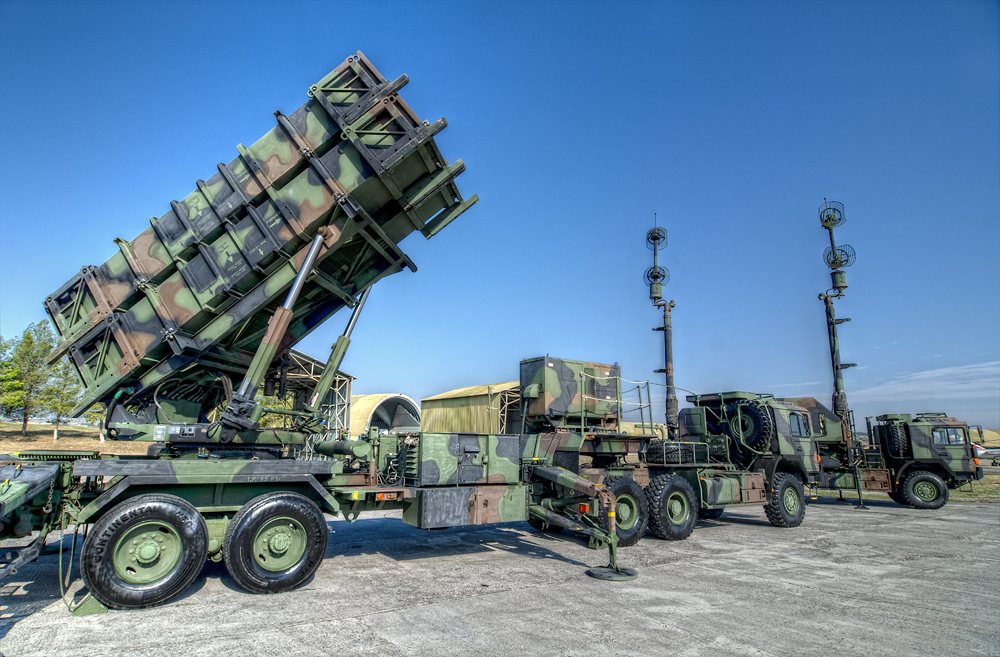
Europe’s Patriot debate can be reduced to one question of timing. Ukraine needs interceptor missiles before the next winter campaign. Manufacturers are expanding capacity, Germany is financing hundreds of new missiles, and allied governments have created mechanisms to buy more. But most of that supply arrives later. The missiles that can change the next several months are the ones already sitting in national inventories.
A report attributed to Politico says that tension is now reaching Germany, Poland, Spain and Greece, all Patriot operators with their own defense requirements. Their caution is understandable in military terms: giving away an interceptor reduces national readiness until a replacement arrives. The problem for Ukraine is that the replacement queue has grown much longer as American and allied demand has surged.
The numbers show why this is no ordinary procurement delay. European defense commissioner Andrius Kubilius estimated that Ukraine could require about 700 PAC-2 and PAC-3 missiles for a four-month winter period. Lockheed Martin delivered 620 PAC-3 MSE interceptors in 2025. The company has since agreed with the U.S. government to expand annual capacity to about 2,000, but the increase is part of a seven-year framework. More production is coming, not all at once.
Germany illustrates both sides of the story. Berlin is funding a contract for several hundred Patriot missiles for Ukraine, and RTX says its new GEM-T production facility in Schrobenhausen will be important to that effort and to broader European supply. Germany and Ukraine have also worked on accelerating PAC-3 deliveries through the JUMPSTART mechanism. Those steps make the medium-term picture stronger while leaving the next winter dependent on existing missiles.
Kyiv has therefore asked allies to treat future production as collateral for present transfers. In July it appealed to nearly 40 partners to release missiles from current stocks, with later deliveries replacing what is donated. The proposal is practical because it separates ownership from timing: a country can remain financially entitled to the same number of missiles while accepting a temporary gap in its inventory.
The operational urgency is already evident. In a major strike on Kyiv in early August, Ukrainian air defenses failed to intercept the ballistic missiles in the salvo. The Financial Times described a critical shortage of Patriot interceptors and reported a steep decline in Western deliveries. Patriot is not Ukraine’s only air-defense system, but it remains the crucial layer against the ballistic missiles that are hardest to stop.
The policy gap is therefore not simply “Europe needs more missiles.” Europe needs a method for moving existing missiles while preserving confidence that national stocks will be rebuilt. Long-term contracts, German production and U.S. capacity growth are what make that bridge credible, but the bridge itself still requires governments to authorize transfers before the replacements exist.
Meanwhile, Russia is generating more targets. The Financial Times said on August 11 that Moscow is producing roughly 70 ballistic missiles each month and fired 198 in the previous month. That level of pressure turns the winter into an inventory contest as much as a technology contest. Europe’s strategic answer is clearly to produce more. Its immediate answer, however, can only come from deciding how much of today’s stockpile it is prepared to use to defend Ukraine before tomorrow’s stockpile exists.
67

Source: Source: Euronews