Memorandum
- From
- Connor Quincy via Environment | The Guardian
- Date
- Filed
- News·4 min to read
- Re
USDA Confirms Flesh-Eating Screwworm in Texas Elk, First Detection in US Wildlife
ReUSDA Confirms Flesh-Eating Screwworm in Texas Elk, First Detection in US Wildlife
The US Department of Agriculture confirmed the first detection of the New World screwworm in American wildlife after an elk harvested on a Pecos County, Texas, game ranch tested positive. Officials are urging hunters and ranchers to stay vigilant to prevent the parasite from spreading.
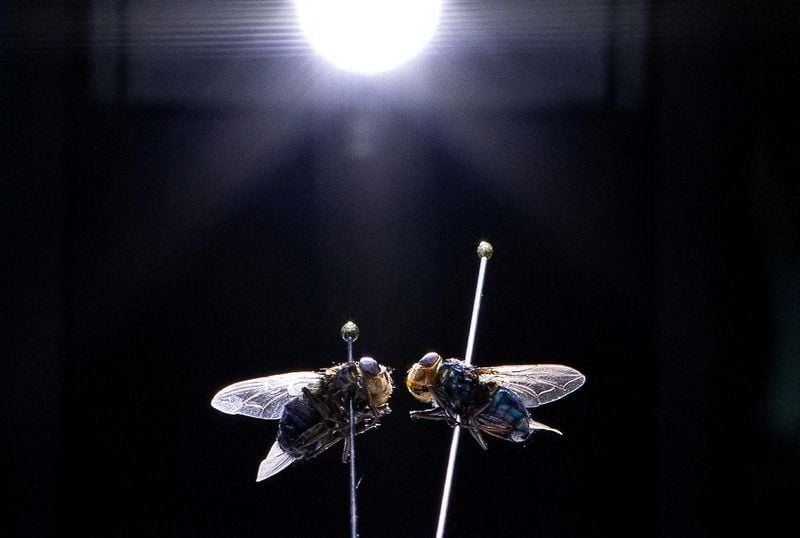
The US Department of Agriculture has confirmed the first detection of the New World screwworm in American wildlife, after an elk harvested on a game ranch in Pecos County, Texas, tested positive for the flesh-eating parasite. The agency announced the finding in a statement, saying the animal was reported after a hunter harvested it.
The confirmation marks a significant moment in the long-running effort to keep the parasite out of the United States. The New World screwworm is a species of fly whose larvae feed on the living tissue of warm-blooded animals, including livestock, wildlife and occasionally humans. Infestations can be fatal if left untreated, and the pest has historically caused severe economic losses for ranchers in affected regions.
Federal officials are now calling on hunters and ranchers to remain vigilant and report any suspected cases. Because the parasite can spread through open wounds on animals, early detection is considered critical to containing an outbreak before it reaches commercial herds. The USDA's confirmation in wildlife, rather than in livestock, raises particular concern because wild animals can carry the pest across wide areas and are harder to monitor.
The detection in Pecos County, in West Texas, comes as agricultural authorities have been monitoring the parasite's movement through Mexico and Central America. The screwworm was once widespread in the southern United States before a decades-long eradication campaign pushed it out of the country. That effort relied on releasing sterile flies to disrupt the insect's reproductive cycle, and it is widely regarded as one of the most successful pest-control programs in agricultural history.
In recent years, however, screwworm cases have been reported moving northward through Mexico, prompting US officials to tighten surveillance along the border and at ports of entry. The discovery in a Texas elk suggests the parasite has now crossed into American wildlife populations, a development that could complicate efforts to keep it away from domestic livestock.
For ranchers, the stakes are substantial. Screwworm infestations require immediate veterinary treatment, and an outbreak can lead to quarantines, trade restrictions and significant losses. Hunters, who often field-dress animals in remote areas, are being asked to inspect carcasses carefully and report any signs of infestation to wildlife or agricultural authorities.
The USDA has not indicated how widely it believes the parasite may have spread, and it is unclear whether additional testing is underway in the area around the Pecos County ranch. Officials have stressed that public cooperation is essential, particularly from those who spend time outdoors in affected regions.
The confirmation is likely to intensify calls for increased funding for surveillance and eradication programs. Agricultural groups have warned for years that the screwworm's northward advance poses a direct threat to the US cattle industry, which is already navigating tight margins and disease pressures. The detection in wildlife adds a new dimension to that concern, since controlling a pest in wild populations is far more difficult than in managed herds.
For now, the USDA's message is one of caution rather than alarm. The agency is asking hunters and ranchers to watch for signs of the parasite and to report suspected cases promptly, while it continues to assess the scope of the detection in Texas.
8