Memorandum
- From
- Derek Weston via Fast Company
- Date
- Filed
- News·4 min to read
- Re
Trump’s plan to cut ground beef prices draws ranchers’ criticism
ReTrump’s plan to cut ground beef prices draws ranchers’ criticism
President Trump announced a deal to import 300,000 metric tons of ground beef tariff-free and sell it 25% below market rate, aiming to lower grocery costs. U.S. ranchers warn the move could hurt herd rebuilding efforts.
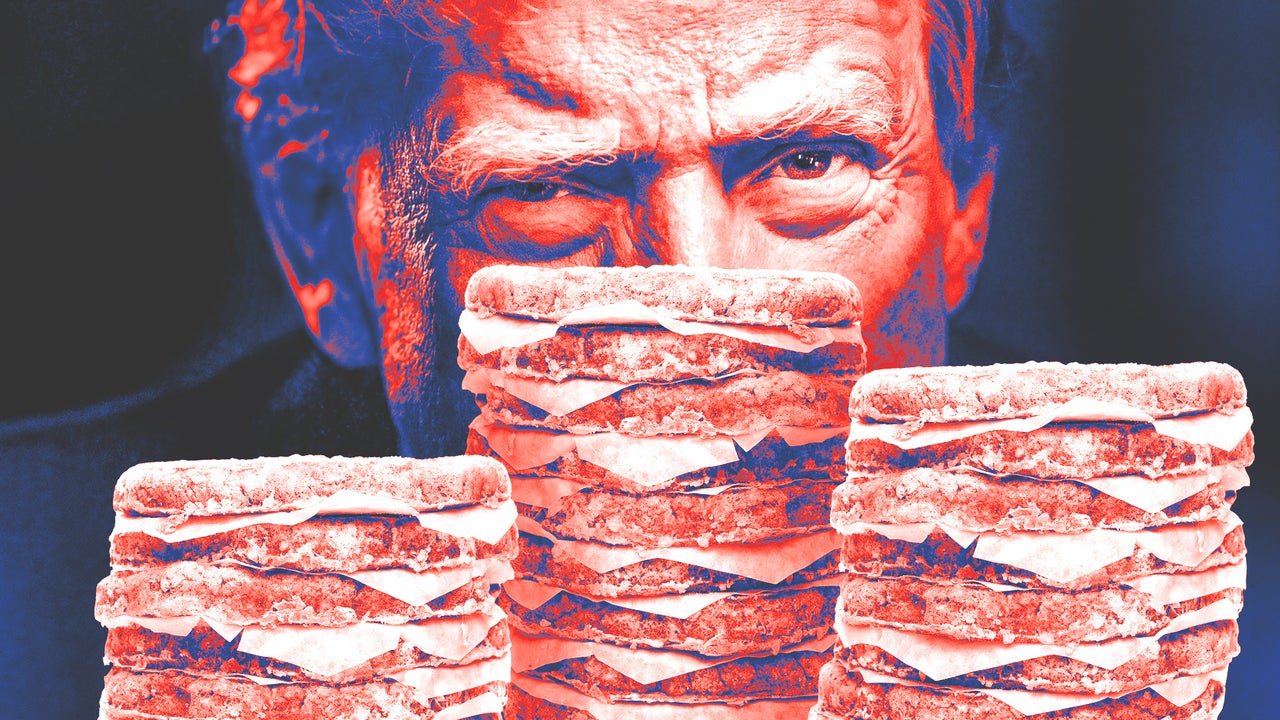
President Trump says he has struck a deal to lower the price of ground beef for American families, but the plan is drawing sharp criticism from the nation’s cattle ranchers, who warn it could undermine long-term efforts to rebuild the shrinking U.S. herd.
In a Truth Social post on Friday, Trump said the U.S. will exempt 300,000 metric tons of ground beef from the out-of-quota tariff over the next 90 days, allowing more imports at a lower tax rate. He added that the newly imported beef would be sold at 25% below current market prices, a commitment he attributed to overseas exporters. An executive order formalizing the plan is expected in the coming weeks, according to Politico.
“We have a commitment that this beef will be sold at 25 percent below current market prices,” Trump wrote. “This deal will reduce prices for Americans while giving space for our Great American Beef Herd to grow again.”
The announcement comes as beef prices hover near record highs. Data from the U.S. Bureau of Labor Statistics shows ground chuck peaked at $6.92 per pound this spring, up nearly a dollar from 2025 and almost $3 since 2020. July prices remained near that elevated level, keeping pressure on household budgets and making beef a political liability in an election year.
Trump blamed former President Joe Biden for the price surge, but the underlying causes are deeper. The American cattle herd, including both beef and dairy cattle, is the smallest it has been in 75 years. Rising costs for fuel, fertilizer, and other farming essentials have squeezed ranchers, while drought conditions and competition from foreign exporters have further reduced herd numbers.
The National Cattlemen’s Beef Association, representing the industry, pushed back against the plan. CEO Colin Woodall said in a press release that while producers share the goal of keeping groceries affordable, “flooding the market with government-subsidized, below-market beef is not the way to rebuild the American cattle herd.” He called the announcement and other market interventions a threat to long-term stability, saying they “throw cold water on the prospect of herd expansion.”
Consumer behavior already reflects the strain of high prices. Beef sales volumes declined this year even during the three months that include Memorial Day and the Fourth of July, two holidays that typically drive a seasonal spike in grilling. During the same period, chicken sales ticked upward, a sign that many Americans have reached their limit on what they will pay for red meat.
Recovery for the cattle industry is expected to be slow. A report from the American Farm Bureau Federation warned earlier this year that the combination of fewer beef cows and a declining calf crop means the 2026 calf crop will likely continue to trend downward, even if more heifers are kept for breeding.
For now, the deal’s details remain thin. Trump did not specify which countries would supply the beef, how the 25% discount would be enforced, or what the cost to taxpayers might be. The executive order, when it comes, will likely clarify those points.
For consumers, the prospect of cheaper ground beef may offer some relief at the checkout counter. For ranchers, the move raises a more uncomfortable question: whether short-term price cuts will come at the expense of the industry’s future.
51