
Memorandum
- From
- Caroline Mercer via Fortune | FORTUNE
- Date
- Filed
- News·4 min to read
- Re
Scammers hijack tap-to-pay donations to turn $20 gifts into $2,000 charges
ReScammers hijack tap-to-pay donations to turn $20 gifts into $2,000 charges
Fraudsters are exploiting tap-to-pay card readers to alter donation amounts without donors noticing, turning small gifts into massive charges. Experts warn that recovering funds is difficult once authorized and urge donors to verify charities independently.
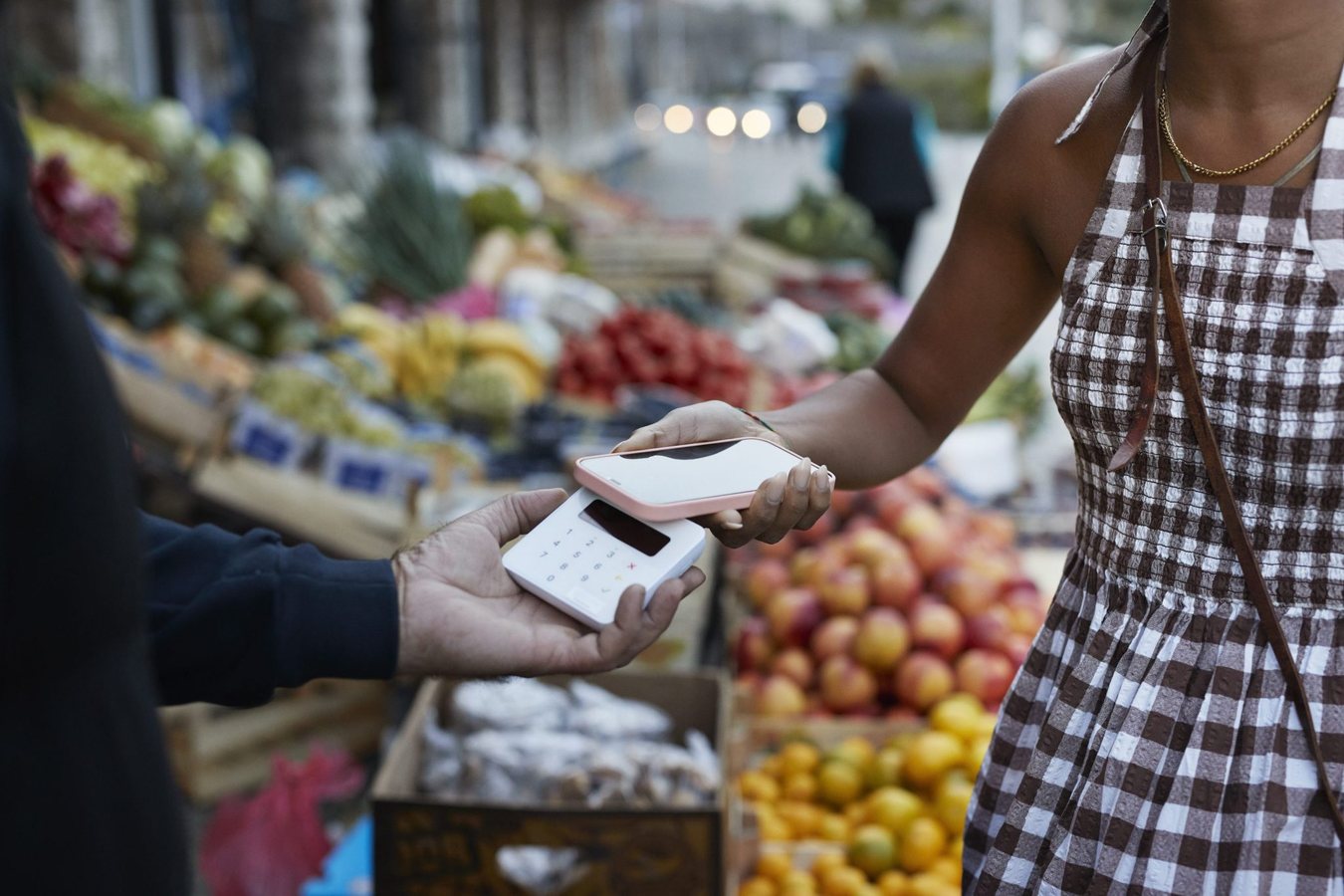
Scammers posing as charity collectors are exploiting tap-to-pay card readers to silently inflate donation amounts, turning a $20 gift into a $2,000 charge without the donor noticing. The scheme, flagged by tech expert Kurt Knutsson of CyberGuy Report, relies on the speed and convenience of contactless payments, where donors often glance at the screen only briefly before tapping their card or phone.
The fraud works by swapping the agreed-upon amount on the card reader at the last moment. Because tap-to-pay transactions are designed to be quick, many donors fail to register the changed figure on the display before authorizing the payment. The tactic is part of a broader rise in scams that exploit trusted interactions and familiar behaviors rather than attempting to break through security controls, according to Mary Ann Miller, fraud and cybercrime executive advisor at identity verification company Prove.
“The technology may work exactly as designed, but the problem is the manipulation happening around the transaction,” Miller said. She advises consumers to pause and carefully review the amount shown on the card reader before tapping, noting that fraudsters are increasingly skilled at making their operations look legitimate.
The threat comes at a time when younger donors are particularly eager to support causes but increasingly cautious about where their money goes. Bloomerang’s 2026 Giving Signals Report, conducted with The Harris Poll among more than 1,000 U.S. donors and 400 fundraising leaders in March, found that millennials and Gen Z care most about giving because it makes them feel part of something. However, with inflation, stagnant wages, and a higher cost of living squeezing discretionary spending, trust in organizations has become a deciding factor.
“Donors are ready to trust nonprofits, but they want to see the receipts more,” Steve Isom, chief operating and financial officer of nonprofit software company Bloomerang, told Fortune. “A bit more trust, but verified.” While the report shows 85% of active donors trust the organizations they give to use funds effectively, building that trust takes time, and increased scam activity threatens to erode it for legitimate charities.
Recovering money lost in these schemes is far from guaranteed. Eva Velasquez, CEO of the nonprofit Identity Theft Resource Center, explained that once a donor authorizes a payment, disputing it becomes much harder. Credit cards offer some cushion because cardholders can contact their issuer and challenge the charge, but instant payment methods do not carry the same protections.
“That is going to be much more difficult to articulate to the financial institutions, and there is no guarantee that you will be made financially whole,” Velasquez said. The core problem, she noted, is that the donor did authorize the payment, even if they did not check the final amount before confirming it.
Velasquez encourages donors to flip the dynamic entirely by choosing charities themselves rather than reacting to whoever approaches with a card reader. She recommends vetting organizations through third-party charity accreditation sites before donating, ensuring that contributions go to verified causes rather than to scammers exploiting goodwill on the street.
64