
Memorandum
- From
- Caroline Mercer
- Date
- Filed
- News·3 min to read
- Re
Pilot Warned Amazon Cargo Plane Was Approaching Miami Too Fast Before Runway Overrun
RePilot Warned Amazon Cargo Plane Was Approaching Miami Too Fast Before Runway Overrun
Newly released black box data shows the crew of a Prime Air cargo jet flagged excessive speed on approach before the aircraft overran a Miami runway, killing five people.
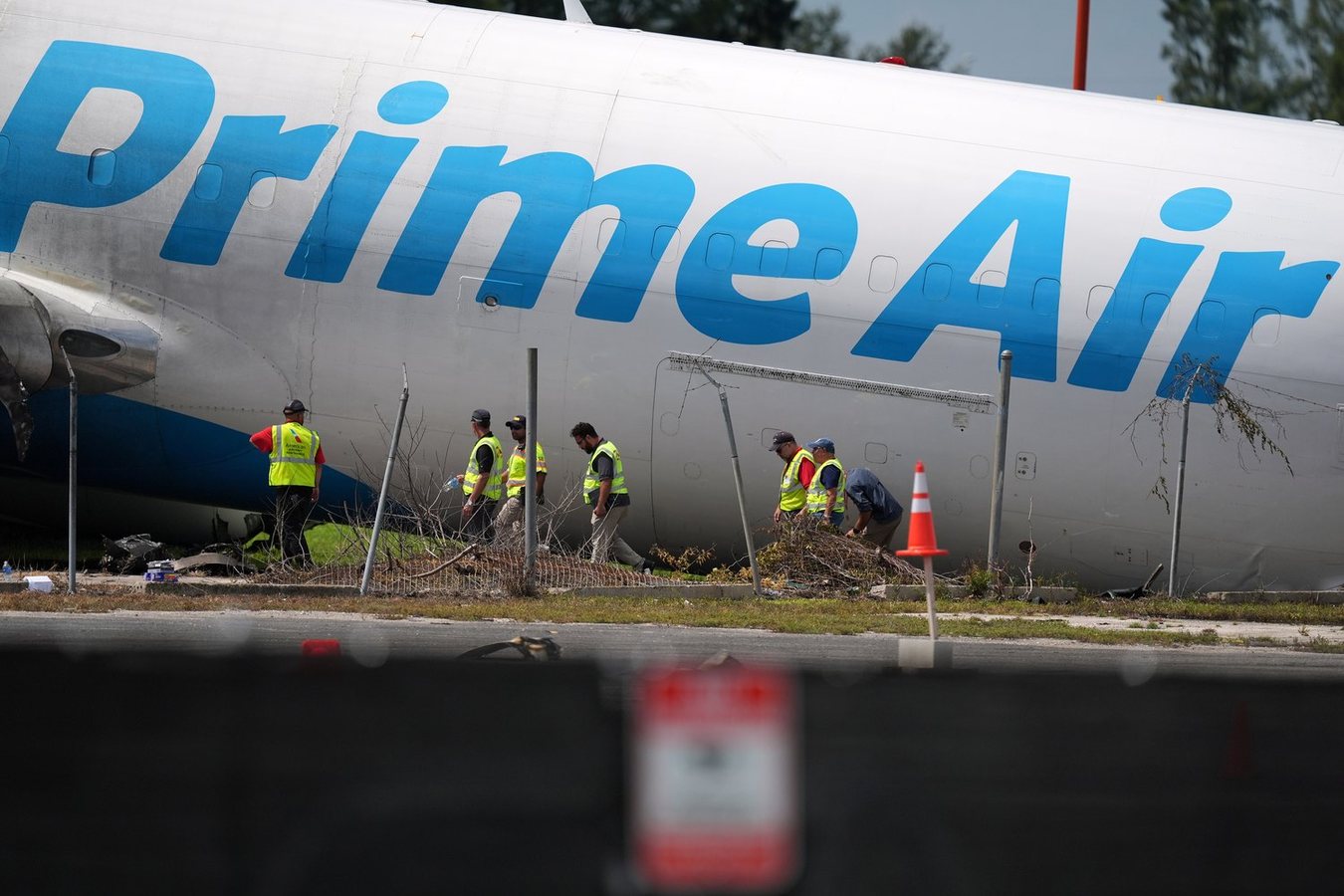
Recorded cockpit warnings and black box data show that a pilot of an Amazon cargo plane repeatedly flagged the aircraft was approaching too fast in the moments before it careened off a runway at Miami International Airport, an accident that killed five people.
The flight, identified as Prime Air Flight 7598, was on final approach when cockpit alarms sounded and the crew discussed the plane's excessive speed, according to data released by the National Transportation Safety Board. The aircraft overran the runway and crashed, killing five people aboard.
The disclosures, first reported in the transcripts and flight recorder data, provide the most detailed public account yet of the final seconds before the fatal accident. The recordings capture the crew's awareness that the approach was not proceeding normally, with alarms sounding as the pilot warned about the plane's speed.
The NTSB has not yet issued a probable cause finding, and the investigation remains ongoing. The release of the recorder data marks a key step in the inquiry, giving investigators a timeline of the crew's actions and the aircraft's performance as it descended toward the runway.
The crash has also drawn attention to the safety culture at the cargo operator. Former pilots for the company involved in the Miami accident had previously raised concerns about safety, according to documents reviewed in the aftermath of the crash. Those concerns add a broader dimension to the investigation, which is examining not only the final approach but also the operational practices surrounding the flight.
Amazon's air cargo operation, known as Prime Air, relies on a network of contracted carriers to move packages through hubs across the United States. The Miami flight was part of that network, and the accident has focused scrutiny on the standards and oversight applied to the contractors that fly on Amazon's behalf.
Investigators are expected to continue analyzing the flight data and cockpit voice recordings, along with maintenance records and crew history, before reaching conclusions about what caused the plane to leave the runway. The NTSB typically releases factual reports before issuing a final determination on probable cause, a process that can take a year or more.
The five deaths make the accident one of the deadliest involving a U.S. cargo flight in recent years. Cargo aircraft operations have come under periodic review by regulators, particularly as e-commerce demand has expanded the volume of freight moving through passenger and dedicated cargo airports.
For now, the recorded warnings and the pilot's own words offer the clearest window into the sequence of events. They show a crew that recognized a speed problem on approach, an aircraft that overran the runway, and an investigation still working to determine why.
62