
Memorandum
- From
- Delaney Sawyer via Fortune | FORTUNE
- Date
- Filed
- News·5 min to read
- Re
Iran’s president admits ‘we have many problems’ as U.S. blockade chokes economy
ReIran’s president admits ‘we have many problems’ as U.S. blockade chokes economy
Iranian President Masoud Pezeshkian acknowledged severe economic hardship, including inflation above 80% and a projected 6.1% GDP contraction, as a U.S. naval blockade cuts oil exports and fuel imports while weakening Tehran’s control over the Strait of Hormuz.
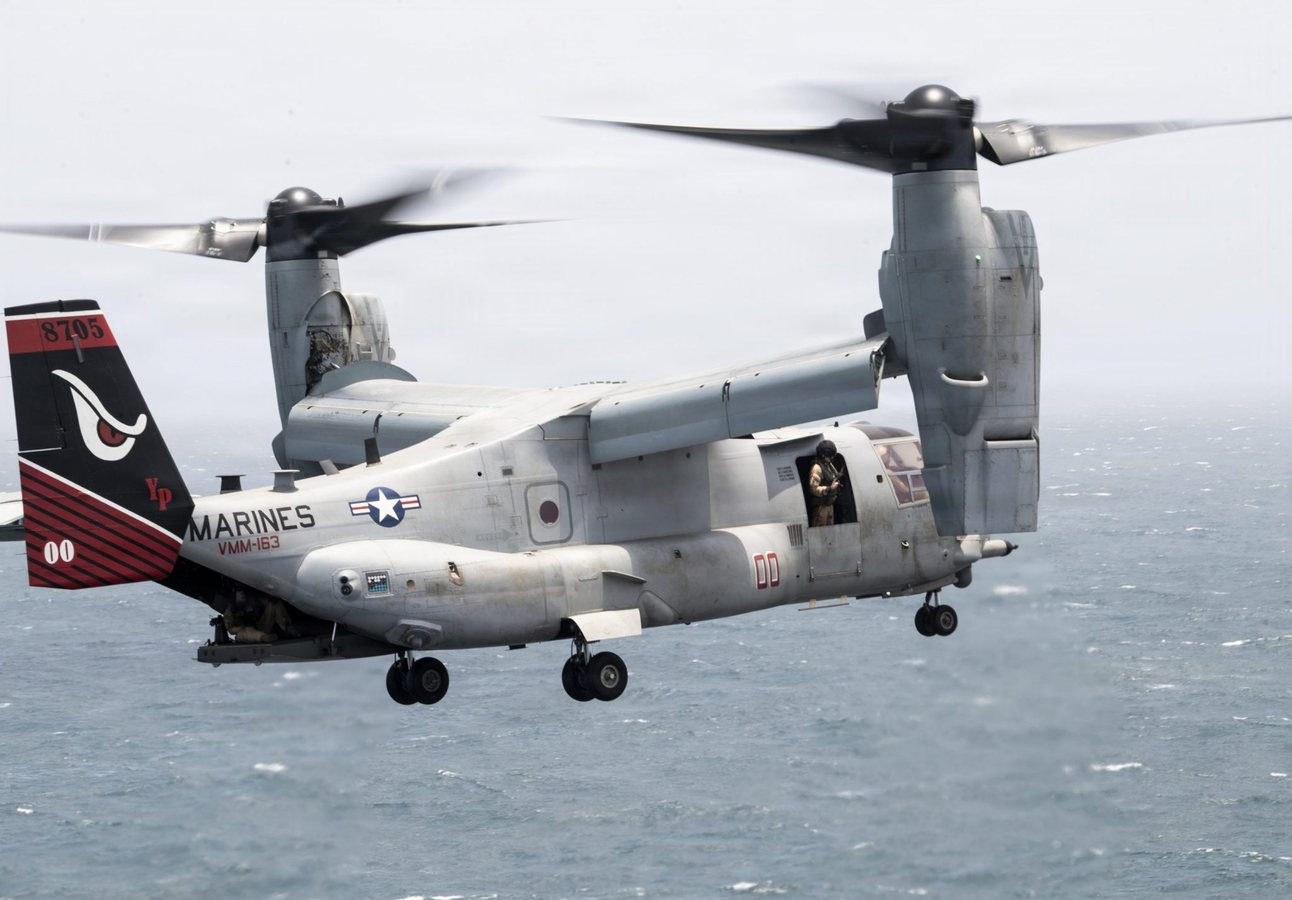
Iranian President Masoud Pezeshkian has publicly acknowledged the depth of his country’s economic crisis, admitting that missiles and bombs are “of no use” as a U.S. naval blockade strangles trade and erodes Tehran’s leverage over the Strait of Hormuz. In an interview with state media, Pezeshkian conceded that inflation, unemployment, and widespread shortages have pushed the nation to its limits, even as he struck a defiant tone about national resilience.
“We have many problems,” Pezeshkian said. “There’s inflation, economic issues, employment and many other problems, but the people are with us.” The remarks mark a rare public acknowledgment from Iran’s leadership about the severity of the situation, with inflation soaring above 80% and prices for some food staples up 100%. The International Monetary Fund projected in April that Iran’s economy would contract by 6.1% this year, the worst decline in decades, while a labor ministry official estimated that more than 1 million jobs had been lost by late May.
In an apparent rebuke of hardliners who reject negotiations with Washington, Pezeshkian added that “we may have many things; we may even have missiles and bombs, but they are of no use.” He also noted that imports, including gasoline, are no longer entering the country. The naval blockade has not only halted Iran’s oil exports through its ports but has also kept out refined fuels that Iran needs despite being a major crude producer. The resulting shortages have caused long lines at gas stations, exacerbated by deep subsidies that encourage excessive consumption.
Pezeshkian described efforts to curb fuel demand and raise prices but cautioned against pushing the public too far. “We shouldn’t make someone whose life revolves around gasoline suffer,” he said. “We shouldn’t put more pressure on those who are already under pressure. People are on the edge now; if I put more pressure on them, they might fall off the edge.”
The president estimated that Iranian trade has plunged 25% to 35%, with imports falling significantly more than exports. Trade intelligence firm Kpler reported that Iran’s August crude export loadings collapsed by more than 80% compared with a year earlier. Since the blockade was reimposed, U.S. forces have redirected 82 commercial vessels, disabled three, and boarded two to ensure compliance, according to Central Command.
“Some people say that sanctions have no effect at all,” Pezeshkian said. “I really don’t know what to tell these people. I just want to say this, saying that sanctions have no effect is not consistent with these facts.”
While the U.S. military tightens its economic chokehold, it is simultaneously weakening Iran’s grip on the Strait of Hormuz. Last week, Central Command said U.S. forces completed clearing sea mines from the strait’s international shipping routes. Estimates vary on how much oil is now moving through, but volumes are substantial, though still well short of normal. Goldman Sachs reported that total exports of crude and oil products from the region have risen to 15 million to 16 million barrels a day, and Kpler said oil flows from the Persian Gulf have recovered to around 70% of pre-war levels.
U.S. officials told Axios that about 10 million barrels of oil a day are being transported through the Omani corridor that the U.S. military is defending. A two-week stretch of U.S. bombing last month degraded Iran’s radar and maritime surveillance systems, making it easier for tankers to sail through undetected at night with their transponders off. This has allowed vessels to make shuttle runs and transfer oil to other tankers for delivery to customers.
Iran is still attacking ships, but that has not been enough to stop traffic. On Sunday, U.S. forces struck Iranian rocket launchers that were preparing to deploy sea mines in the strait. Gregory Brew, an Iran and oil expert at the Eurasia Group, said on X that Iran overplayed its hand in July when it resumed attacks on shipping in the strait’s southern route. “The result: the MOU is dead, the blockade is back in place, and the US is succeeding at reopening the strait without another deal,” he wrote. “Perhaps the status quo swings back in Iran’s favor, but right now this looks like a miscalculation to me.”
198