
Memorandum
- From
- Caroline Mercer via fox - Most Popular
- Date
- Filed
- News·4 min to read
- Re
Delta Flight Diverts to Portugal After Cabin Smoke, 14 Passengers Treated
ReDelta Flight Diverts to Portugal After Cabin Smoke, 14 Passengers Treated
A Boston-bound Delta Air Lines flight from Barcelona made an emergency landing in Porto after smoke was detected in the cabin. Fourteen passengers required medical attention, and four were hospitalized for smoke inhalation.
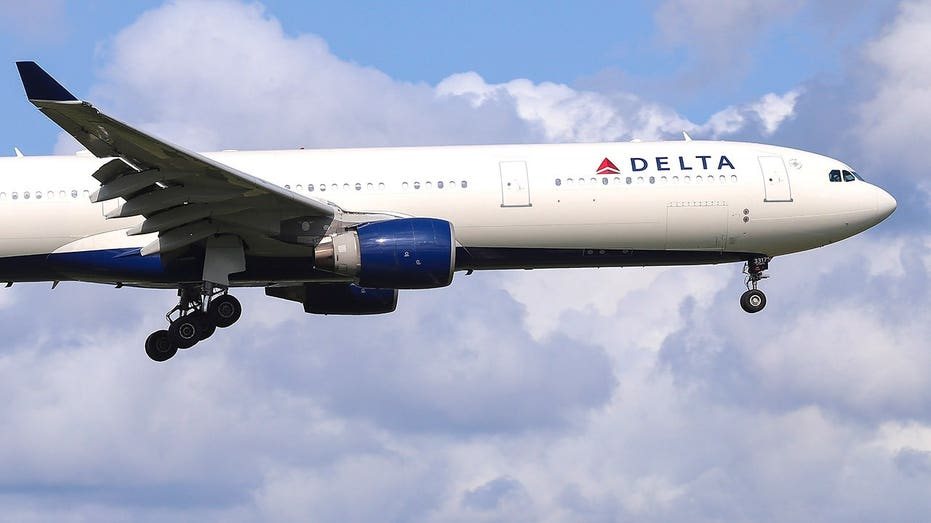
A Delta Air Lines flight bound for Boston was forced to make an emergency landing in Portugal after smoke was detected in the cabin, sending 14 passengers to medical care and disrupting travel for more than 280 people on board.
The Airbus A330-300, operating from Barcelona, Spain, to Boston, Massachusetts, was diverted to Porto on Sunday, Sept. 27. The aircraft carried 283 customers and 13 crew members. According to Portugal's civil protection service, 14 passengers required medical attention after the plane landed. Four of those passengers were taken to local hospitals for smoke inhalation and were reported to be only lightly affected.
A Delta spokesperson confirmed the incident but did not comment on the hospitalization reports. The diversion was due to a reported mechanical issue, the official said. «The flight landed safely, and we apologize to our customers for the delay in their travels as we work to get them to Boston as safely and quickly as possible,» the spokesperson added. Delta said it was working to rebook customers on alternative flights to their final destinations.
The incident highlights the rare but serious situations that can arise when mechanical problems allow fumes to enter an aircraft cabin. According to the Federal Aviation Administration, the air in aircraft cabins is generally as good as or better than the air found in offices and homes. However, the agency notes that in rare instances, mechanical issues such as failures of an engine oil seal or recirculation fan bearings can cause fumes to enter the cabin. Airlines are required to report these incidents to the FAA, which investigates the causes and ensures they are fixed before the aircraft returns to service.
The FAA also requires airlines to supply clean air to both passengers and crew members. Airplanes must be designed to provide the equivalent of 0.55 pounds of fresh air per minute per occupant, a ventilation rate consistent with other public environments.
The emergency landing in Portugal is the latest in a series of recent aviation incidents that have prompted crews to return to airports or alter their routes. Earlier this year, a Cape Air flight bound for Boston was forced to return to Nantucket, Massachusetts, shortly after takeoff when the upper section of its main cabin door partially opened mid-flight. More recently, a Delta Air Lines flight bound for Orlando returned to Minneapolis-St. Paul International Airport minutes after takeoff due to a reported medical issue involving a pilot. That Aug. 31 flight carried 178 passengers and seven crew members, landed safely, and Delta arranged for a new crew to continue the trip to Orlando.
While such events remain uncommon, they underscore the importance of standardized safety protocols and rapid response when unexpected issues arise in the air. For the passengers on the Barcelona-to-Boston flight, the diversion meant a sudden stop in Porto and a wait for new travel arrangements. Delta has not provided further details on the cause of the mechanical issue or the condition of the hospitalized passengers.
4