Memorandum
- From
- Derek Weston via Fast Company
- Date
- Filed
- Economy·5 min to read
- Re
Home Batteries Offer Backup Power as Electricity Prices and Outages Rise
ReHome Batteries Offer Backup Power as Electricity Prices and Outages Rise
Portable home batteries from Pila, BioLite, and EcoFlow can keep essential appliances running during blackouts and help lower energy bills through time-of-use pricing and virtual power plant programs.
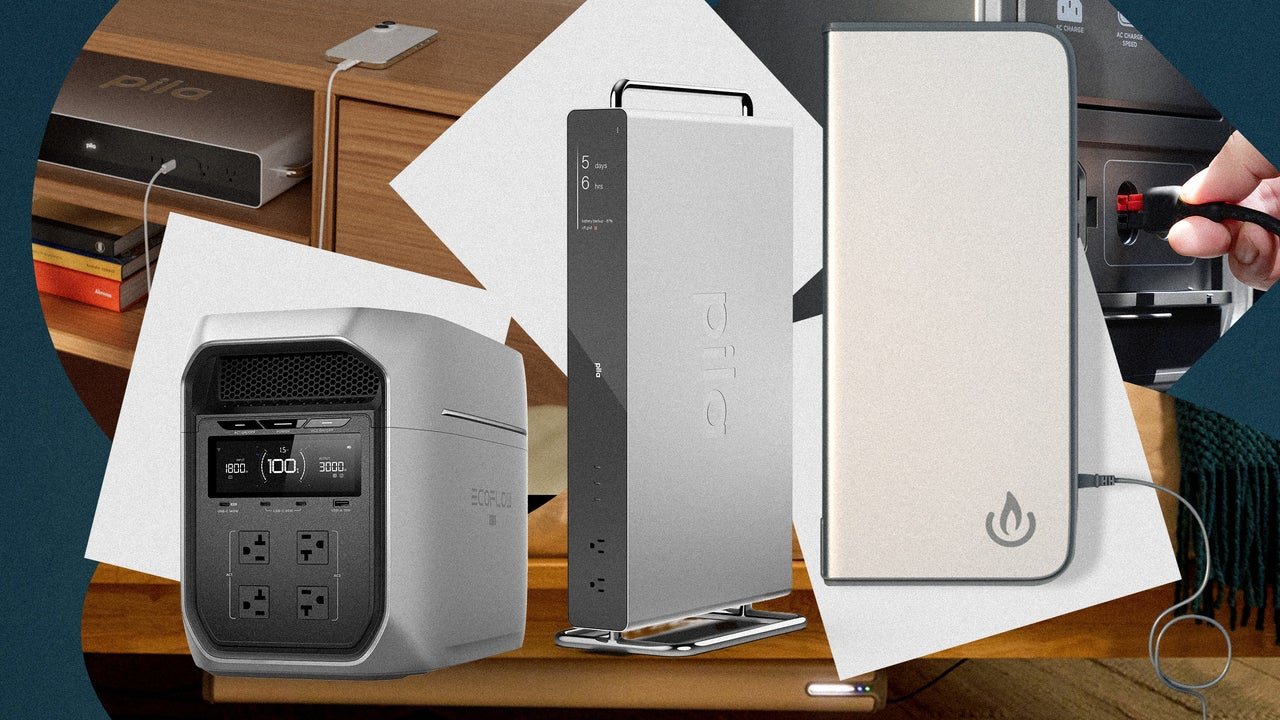
Portable home batteries are emerging as a more accessible option for households facing rising electricity costs and increasingly frequent power outages, offering backup power without the expense of professional installation or electrical panel upgrades. A recent test of three new models — the Pila Mesh Home Battery, the BioLite Backup Core, and the EcoFlow Delta 3 Max Plus — found that each can keep critical appliances like refrigerators running during blackouts while also potentially reducing energy bills through strategic charging.
Grid outages have become more common across the United States, driven by climate change and aging infrastructure. In California, utilities may shut off power during high wildfire risk. In other regions, stronger hurricanes and storms have made outages more frequent and longer lasting. Extreme heat can trigger blackouts when air conditioning use surges and can damage grid equipment directly. For many households, a full-home battery system or gas generator is unnecessary; what matters most is keeping essential devices running to avoid losing hundreds of dollars in groceries or an internet connection.
Traditional home battery backup often costs $10,000 or more for equipment, plus thousands more for an electrician and electrical panel upgrades. The smaller devices tested do not require professional installation — they simply plug into a wall outlet. Because they are portable, renters can use them as well as homeowners. The Pila Mesh Home Battery, designed by a team led by a former Tesla engineer, weighs 49 pounds and features a slim, flat shape intended to slide into the space above a refrigerator. It includes stainless steel handles, though lifting it to the top of a six-foot refrigerator may require two people. Pila sells a stand for upright placement or a wall-mounting accessory. Setup involves flipping a power switch, scanning a QR code to connect to the Pila app, and plugging the battery into any outlet. Appliances plug into the side of the battery; when the grid is working, power flows from the wall through the battery to the appliance, and during an outage it switches over automatically. The app allows users to adjust when the fridge uses the battery, such as during evening hours when electricity rates are higher.
The potential for real savings comes from time-of-use pricing, which many utilities now offer. Rates vary by location, but some areas have large gaps. In Nevada, for example, summer peak rates can reach 50 cents per kilowatt hour, while off-peak rates may be as low as 9 cents. Charging the battery when power is cheap and using it to run a fridge or window air conditioner during peak hours can lower bills. Batteries are also becoming part of virtual power plants (VPPs), networks of home devices that utilities can tap when the grid is stressed. Residents can earn money from participating, and over a battery's 10-year lifespan, incentives may help cover its cost depending on location.
All three tested batteries use lithium iron phosphate (LFP) chemistry, which is safe, long-lasting, and used in some electric vehicles. Daily cycling does not harm the battery, and they are designed to last a decade with such use. The Pila app includes a setting to simulate a power outage, switching plugged-in devices to battery power. During testing, the battery initially indicated two days and five hours of remaining power for a refrigerator. As electricity demand grows — partly driven by AI and data centers — utilities and hyperscalers are seeking new capacity, which could soon make batteries like these available at deep discounts or even free. The nonprofit Rewiring America has calculated that adding solar, batteries, and heat pumps at homes could cover the projected growth in electricity demand from data centers. Google recently launched a pilot that helps pay for home energy equipment, and similar programs may follow.
Choosing a battery depends on how it fits in a home, how it manages power during a blackout, and how it interacts with a utility's pricing plans. The tested models represent a shift toward making backup power more practical and affordable for a wider range of households, from homeowners to renters, as the pressures of climate change and rising energy costs continue to reshape how Americans think about electricity reliability.
4