Memorandum
- From
- Derek Weston via fox - Opinion
- Date
- Filed
- Economy·4 min to read
- Re
Golf Cart Tariffs Expose Wider U.S.-China Trade Fight
ReGolf Cart Tariffs Expose Wider U.S.-China Trade Fight
American golf cart makers say Chinese subsidies and unfair pricing have cut shifts and jobs, as Washington weighs new enforcement ahead of a Trump-Xi meeting.
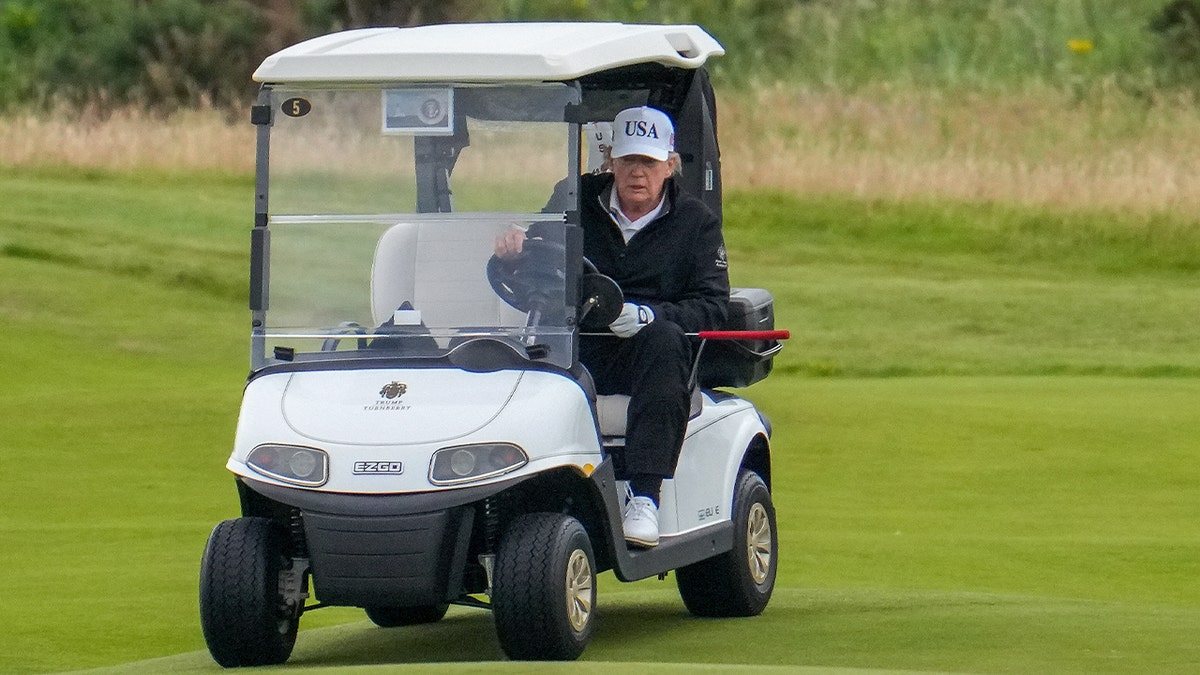
American manufacturers of golf carts and other low-speed personal transportation vehicles are pressing Washington to enforce trade remedies against Chinese imports, arguing that subsidized competitors have eroded their business and cost jobs. The dispute has moved from factory floors to federal agencies as President Donald Trump prepares to meet Chinese President Xi Jinping in Washington amid broader trade negotiations.
The Department of Commerce investigated complaints from domestic producers and found that Chinese manufacturers benefited from countervailable subsidies and sold low-speed personal transportation vehicles in the United States at less than fair value. In 2023, more than $522 million worth of these vehicles were imported from China, more than double the amount in 2021, according to the findings. The agency responded by establishing antidumping and countervailing-duty remedies.
Those measures have not ended the concerns. American manufacturers say Chinese producers have sought to evade the duties by changing supply chains, relabeling products, or routing goods through third countries. Lawmakers, including representatives from Georgia districts that are home to Club Car and E-Z-GO, have urged the Commerce Department to investigate potential circumvention and ensure the remedies actually protect U.S. workers.
The domestic industry reports reduced shifts, workforce reductions, declining production, and declining profitability as a result of the import surge. Those effects ripple through communities that depend on manufacturing for employment and investment. The same dynamic has played out in steel, solar panels, and automobiles, where lost capacity has proven difficult to rebuild once it disappears.
The golf cart case is drawing attention partly because of its timing. The Presidents Cup, an international golf tournament outside Chicago, will use carts built by Club Car at its Augusta, Georgia, headquarters. Trump has accepted an honorary chairman role and plans to attend. Supporters of the domestic industry say the event illustrates what American manufacturing can achieve when competition is fair.
At the center of the debate is a simple question: can U.S. companies compete on quality, innovation, and value, or will foreign governments be allowed to tilt the scales through subsidies and unfair pricing? American manufacturers say they can out-innovate and out-compete anyone on a level playing field. They argue that trade enforcement is not about blocking legitimate competition but about ensuring that competition is legitimate in the first place.
As Trump and Xi meet, the golf cart dispute offers a small but concrete example of the larger economic tensions between the two countries. The United States can engage China diplomatically while being clear about economic expectations, industry advocates say. American businesses should have access to foreign markets, and foreign businesses should have access to the U.S. market, but the rules must be applied fairly.
For now, the outcome depends on whether existing trade remedies are fully enforced. The Commerce Department has the authority to investigate circumvention, and lawmakers are pressing for action. The domestic industry says the stakes extend beyond golf carts to the broader health of American manufacturing and the communities that rely on it.
2