Memorandum
- From
- Connor Quincy via Fortune | FORTUNE
- Date
- Filed
- Business·3 min to read
- Re
SpaceX Selected by NASA for Lunar Infrastructure Work Worth Up to $10 Billion
ReSpaceX Selected by NASA for Lunar Infrastructure Work Worth Up to $10 Billion
SpaceX, which recently went public, described in its registration document plans to build factories on the Moon, while NASA selected eight companies for lunar infrastructure work worth up to $10 billion.
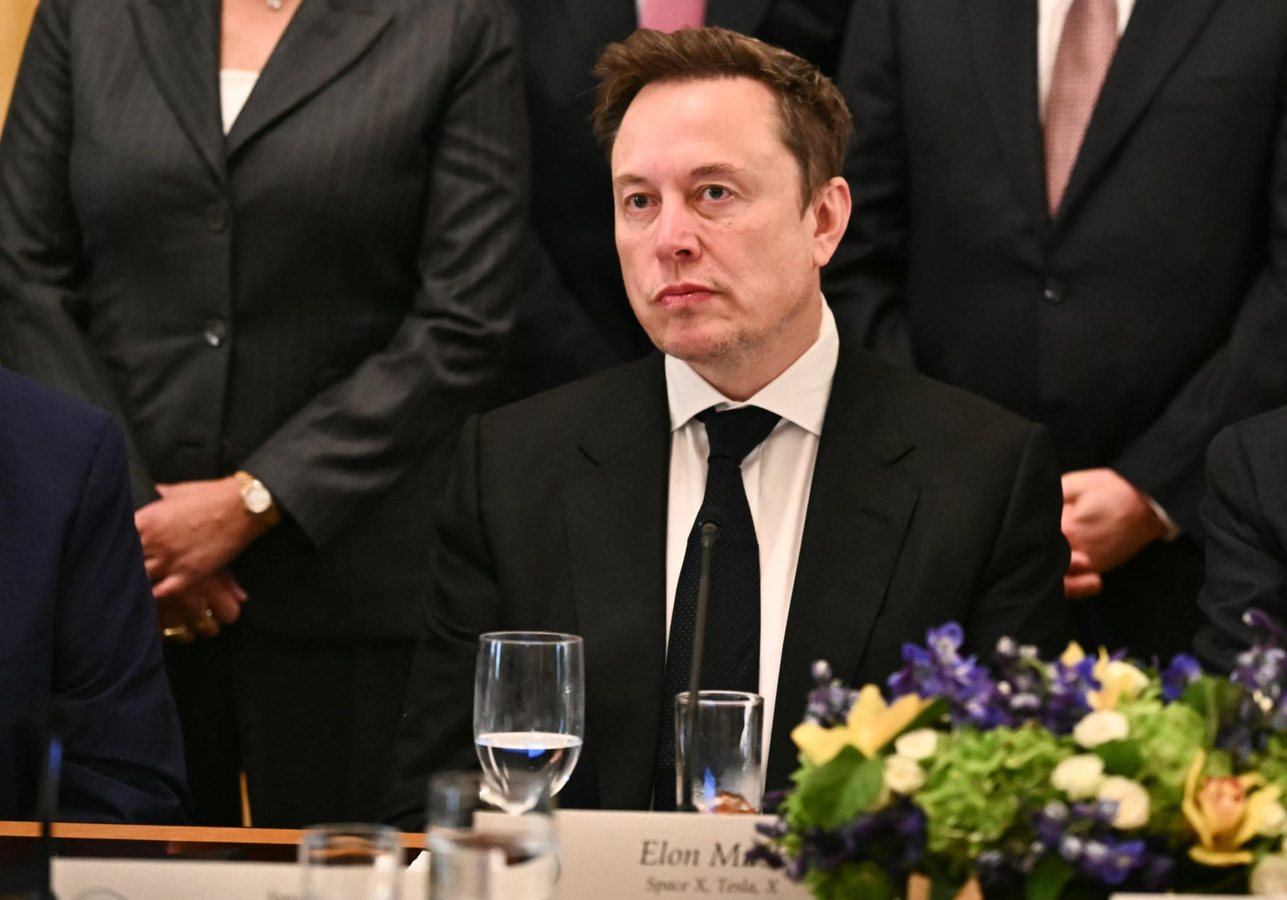
SpaceX, Elon Musk's company, described in its S-1 public offering registration document plans to build factories on the Moon that would produce artificial intelligence satellites. During the same period, NASA announced the selection of eight companies for work related to transport and infrastructure on the Moon, and SpaceX was included in this list. The contracts could bring in up to $10 billion in total, making this one of the agency's largest lunar programs in recent years.
According to the S-1 text, the company's plans also include a lunar mass driver, meaning a system for launching cargo from the lunar surface, as well as mining. SpaceX estimates that the Moon may hold more than one million tons of rare materials. At the same time, the document shows that the company's main goal is creating an orbital constellation for AI-based computing, with the lunar projects appearing to be part of a broader strategy. The technical feasibility of lunar factories and the mass driver has not yet been confirmed, and the company has not explained how exactly this would be implemented.
The company went public with a valuation of approximately $1.77 trillion. This figure makes SpaceX's plans noticeable to investors and the market as a whole, especially against the backdrop of interest in infrastructure for artificial intelligence. The share offering and publication of the registration materials made it possible for the first time to see in detail which areas the company considers priorities beyond rocket launches and satellite communications.
NASA announced the selection of eight companies on November 7. Among the selected firms are SpaceX, Blue Origin, and Lockheed Martin Space. The program aims to establish a permanent lunar outpost where astronauts can work. The work will proceed in several stages: robotic reconnaissance of the Moon's south pole is planned for 2029, and the construction stage, including power, cargo, and communication systems, is expected between 2029 and 2032.
Tasks are already beginning to be distributed among the participants. Blue Origin, Impulse Space, and Arrow have together received $1.3 billion to carry out assignments. SpaceX has been selected to launch test satellites on its Starship vehicle in 2028, linking the lunar program to the company's already developing platform. Honeybee Robotics, owned by Blue Origin, will work on power transmission. The materials do not specify how the contracts will be divided among the eight companies, and this remains an open question.
Representatives of NASA and SpaceX either declined to comment or did not respond to the editorial office's requests, so details about the timelines and terms of the work currently rely only on the published documents and the agency's official announcement.
2