
Memorandum
- From
- Delaney Sawyer via FOX News
- Date
- Filed
- Culture·4 min to read
- Re
Justin Cooper Recalls Prison Mail and Protective Mother During '90s Fame
ReJustin Cooper Recalls Prison Mail and Protective Mother During '90s Fame
The former child star, known for playing Jim Carrey's son in «Liar Liar,» says his mother shielded him from disturbing fan letters and inappropriate behavior on set.
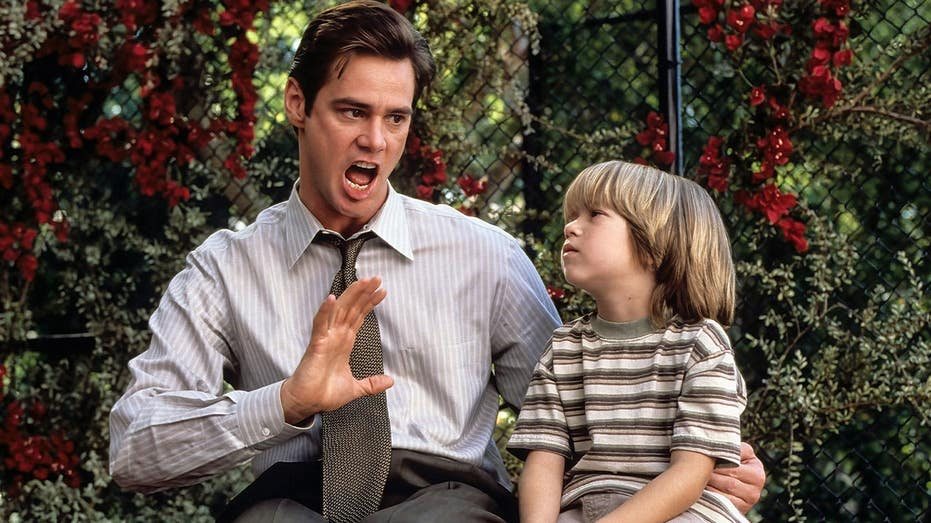
Justin Cooper, who became a familiar face as Jim Carrey's young son in the 1997 comedy «Liar Liar,» has opened up about the unsettling side of childhood fame, revealing that he received disturbing mail from incarcerated fans during the height of his career. Cooper, now 36, shared the experience during an appearance on the «Not So Little Rascals» podcast, telling hosts Jordan Warkol and Blake Collins that his mother intercepted the letters before they could reach him.
«She would tell me later on about, like, prison mail that I would get that she never showed me,» Cooper said, describing letters from «people in jail» who wrote about being fans of his work. He recalled the messages as «dudes in jail talking about how they're such a big fan of me... and you're such a cute kid.» The actor, who was eight years old when «Liar Liar» was released, credited his mother with doing a «really good job» of protecting him from the darker elements of the entertainment industry.
Cooper said his mother «never, ever left me alone with anybody on set,» a level of vigilance he described as «almost to a fault.» He contrasted her approach with that of other acting parents he observed at the time, who he said would simply tell their children to «go, do whatever they tell you to do.» The actor also recalled a specific incident involving comedian Don Rickles, who played Mr. Wilson in «Dennis the Menace Strikes Again.» According to Cooper, his mother approached Rickles, known for his foul-mouthed comedy, and told him, «I don't want you to use any language like that in front of my kid.»
The podcast appearance offered a rare look at the protective measures some families take when a child enters the spotlight, as well as the strange boundary violations that can come with sudden fame. Cooper's account adds to a growing body of testimony from former child stars about the psychological pressures of growing up in Hollywood, where public visibility can blur the line between admiration and intrusion.
Cooper eventually stepped away from acting when auditions began to feel like a burden rather than a passion. He described the grind of long car rides to auditions, followed by homework and a desire to simply be a normal teenager. «You've got to sit in the car for 45, 50 minutes to get out there, and then I've got to do this, and then I gotta go home and start my homework, and I want to just go home right now and talk to girls on AIM,» he said. His mother ultimately gave him permission to quit, telling him, «Look, if you don't want to do it anymore, you don't have to.»
Cooper admitted he worried his decision might disappoint his mother, given how closely she had been involved in his career. «My relationship with my mom was great for most of the time,» he said. «In high school it got a little strange... I stopped acting, I started smoking weed.» He recalled that when his mother found his «stash,» it «put a little strain» on their relationship for a while. Still, he emphasized that throughout his acting years, she was always present, taking him to auditions, helping him run lines, and guiding him through the process.
Now an adult, Cooper's reflections highlight the lasting impact of early fame and the importance of strong parental oversight in an industry that can expose young performers to uncomfortable and sometimes frightening attention. His story serves as a reminder that behind the glitz of Hollywood, child actors often face unique challenges that shape their lives long after the cameras stop rolling.
2