Memorandum
- From
- Connor Quincy via GameSpot - All Content
- Date
- Filed
- Culture·3 min to read
- Re
Dawn of War IV Aims to Reclaim the Series' Strategy Roots
ReDawn of War IV Aims to Reclaim the Series' Strategy Roots
After the divisive third entry, Warhammer 40,000: Dawn of War IV hands the real-time strategy franchise to a new studio and returns to deep base-building and large-scale battles.
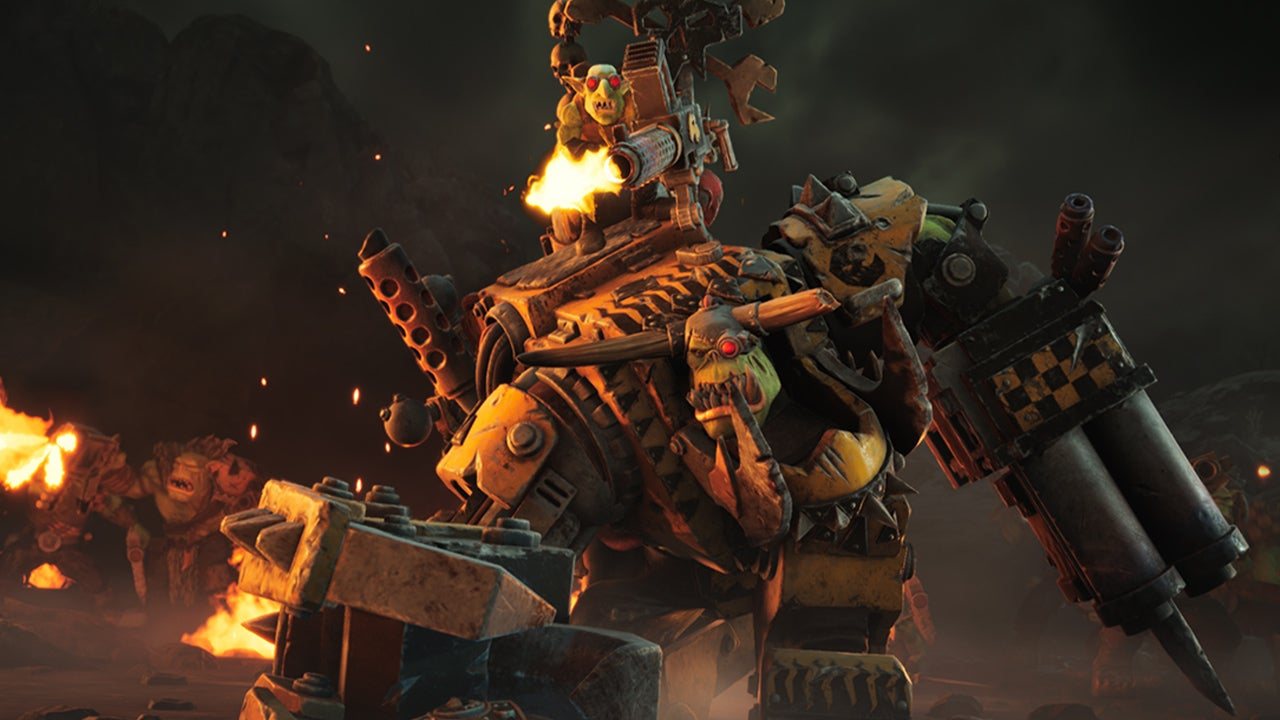
Warhammer 40,000: Dawn of War IV is set to arrive nearly a decade after the release of Dawn of War III, and early hands-on impressions suggest the real-time strategy series is returning to the strengths that defined its early entries. The game is being developed by King Art Games, the studio behind the 2020 steampunk RTS Iron Harvest, rather than longtime series steward Relic Entertainment.
The shift in developer comes after Dawn of War III disappointed much of the community. That game attempted to merge the large-army focus of the original Dawn of War with the smaller, tactical squad management of Dawn of War II, while also chasing the growing esports market. The result was widely seen as a shallow compromise, with players criticizing its MOBA-like maps, hero-centric mechanics, and simplified systems. It failed to find traction with either traditional RTS fans or the competitive scene.
Dawn of War IV is being billed as a modern interpretation of the first game, but a preview build covering the opening missions of two campaigns indicates it is a more faithful and functional blend of the first two entries than its predecessor managed. The defining sensation of the preview was activity: players quickly find themselves managing large squads, their upgrades and abilities, powerful hero characters with their own skill sets, destructive vehicles and mechs, and a deep base-building system that feels far from exhausted after several missions.
Base-building, removed in the second game and heavily simplified in the third, returns here with faction-specific twists. Orks can throw up ramshackle structures quickly using any infantry unit and have more freedom in where they build, but their construction is less durable and more chaotic to manage. The Adeptus Mechanicus, by contrast, relies on a tightly connected network of buildings that offers strong fortifications but leaves the whole system vulnerable if one link is destroyed. The depth of the base-building alone could amount to a game unto itself.
Combat has received comparable attention. Dawn of War IV allows more units on the battlefield than any previous entry, but it encourages players to upgrade and reinforce squads already engaged rather than cycling through fresh replacements. Losing a unit carries a heavier strategic cost, since reinforcements arrive less battle-hardened. Smaller tactical squads, a hallmark of the second game, also feature, and the preview described the blend of systems as an entirely new framework that stands on its own.
The game's emphasis on meaningful decisions made the pause function tempting even for a player who typically avoids it, though the overall impression was that an RTS being too active is preferable to one that is too passive. For a franchise that has reinvented itself with every main entry, Dawn of War IV appears to be making the case that it can honor the series' past while offering something distinct.
1