Memorandum
- From
- Connor Quincy via NYT - Asia Pacific
- Date
- Filed
- Culture·4 min to read
- Re
China Boycotts Gwangju Biennale Over Taiwan Exhibition
ReChina Boycotts Gwangju Biennale Over Taiwan Exhibition
China has announced a boycott of the Gwangju Biennale, one of Asia's most prominent contemporary art festivals, over a planned exhibition featuring Taiwanese artists. The 16th edition of the South Korean festival is set to open this weekend amid the diplomatic dispute.
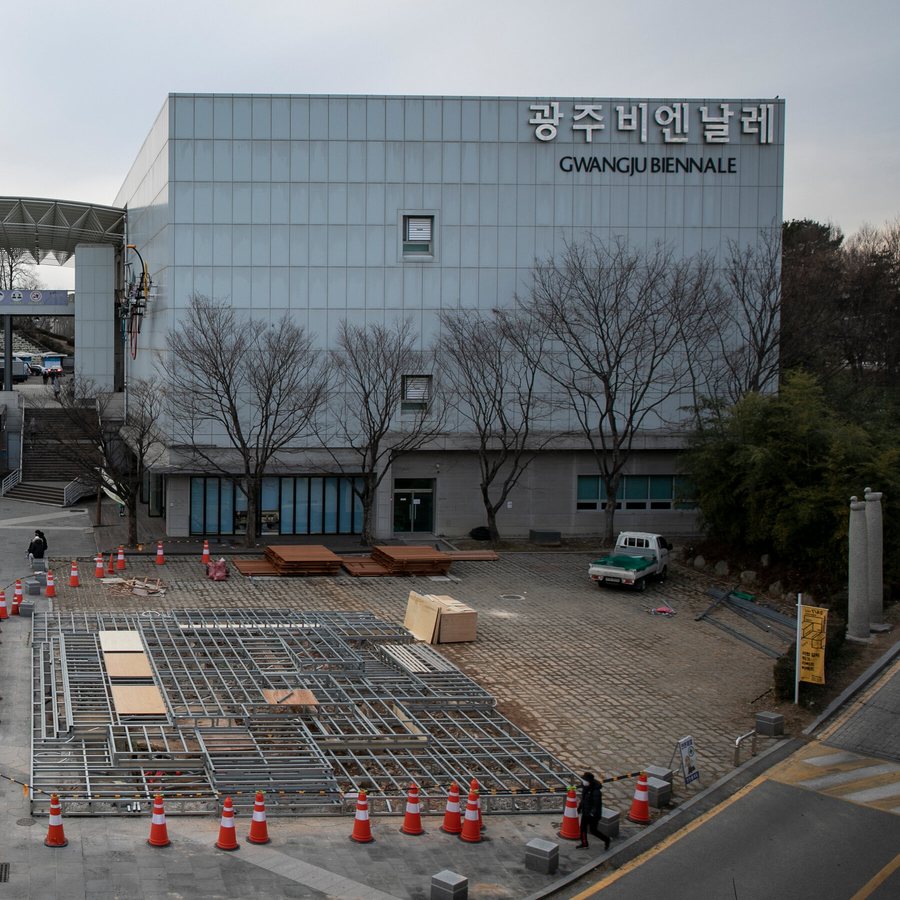
China has announced a boycott of the Gwangju Biennale, one of Asia's most prestigious contemporary art festivals, over a planned exhibition featuring Taiwanese artists. The move escalates Beijing's ongoing efforts to pressure international cultural institutions into excluding Taiwan from events where it might be presented as a distinct entity.
The 16th edition of the biennale, held in the South Korean city of Gwangju, is scheduled to open this weekend. Organizers have not indicated any intention to remove the Taiwan-related exhibition from the program, setting the stage for a notable absence of Chinese participation in an event that has historically served as a platform for cross-border artistic dialogue.
The dispute centers on how Taiwan is represented in the festival's lineup. Beijing regards Taiwan as part of its territory and has repeatedly objected to any international event that treats the island as a separate participant. In recent years, China has applied similar pressure to film festivals, book fairs, and museum exhibitions, often demanding that Taiwanese artists and works be labeled as Chinese.
The Gwangju Biennale has deep roots in democratic and human rights movements, having been established in 1995 to commemorate the 1980 pro-democracy uprising in the city. Its founding mission emphasizes freedom of expression and solidarity with oppressed communities, principles that organizers say complicate any attempt to comply with external political demands.
South Korean cultural officials have so far remained publicly neutral, though the incident places Seoul in a delicate position. South Korea maintains strong economic and diplomatic ties with both China and Taiwan, and cultural disputes of this nature have previously tested its balancing act between the two.
Chinese state media have framed the boycott as a matter of sovereignty, while Taiwanese cultural representatives have characterized the exhibition as an opportunity for artistic exchange rather than a political statement. The artists involved in the Taiwan section have not issued public comments, but the broader Taiwanese art community has expressed concern that such boycotts could lead to self-censorship among international curators.
The festival is expected to proceed as planned, with participating artists and visitors from dozens of countries. Organizers have said they remain committed to the biennale's founding principles, though they declined to comment on whether diplomatic efforts were underway to resolve the standoff before the opening.
This is not the first time China has withdrawn from an international cultural event over Taiwan's participation. Similar boycotts have affected events in Europe and North America in recent years, and cultural observers note that the frequency of such disputes appears to be increasing as Beijing intensifies its global campaign against what it calls separatist activities.
The Gwangju Biennale's opening weekend will proceed without Chinese state-affiliated artists and institutions, but independent Chinese artists who live abroad may still participate. The distinction underscores the complexity of enforcing cultural boycotts in a globalized art world where national affiliations are not always clear-cut.
107