Memorandum
- From
- Delaney Sawyer via Fortune | FORTUNE
- Date
- Filed
- Business·5 min to read
- Re
Waldencast's Beauty Empire Shrinks to Milk Makeup as Sales Fall 57%
ReWaldencast's Beauty Empire Shrinks to Milk Makeup as Sales Fall 57%
Waldencast, the SPAC founded by former L'Oréal executives, has sold Obagi Medical and delisted from Nasdaq, leaving it with Milk Makeup, whose first-half revenue plunged 57.1% to $26.1 million.
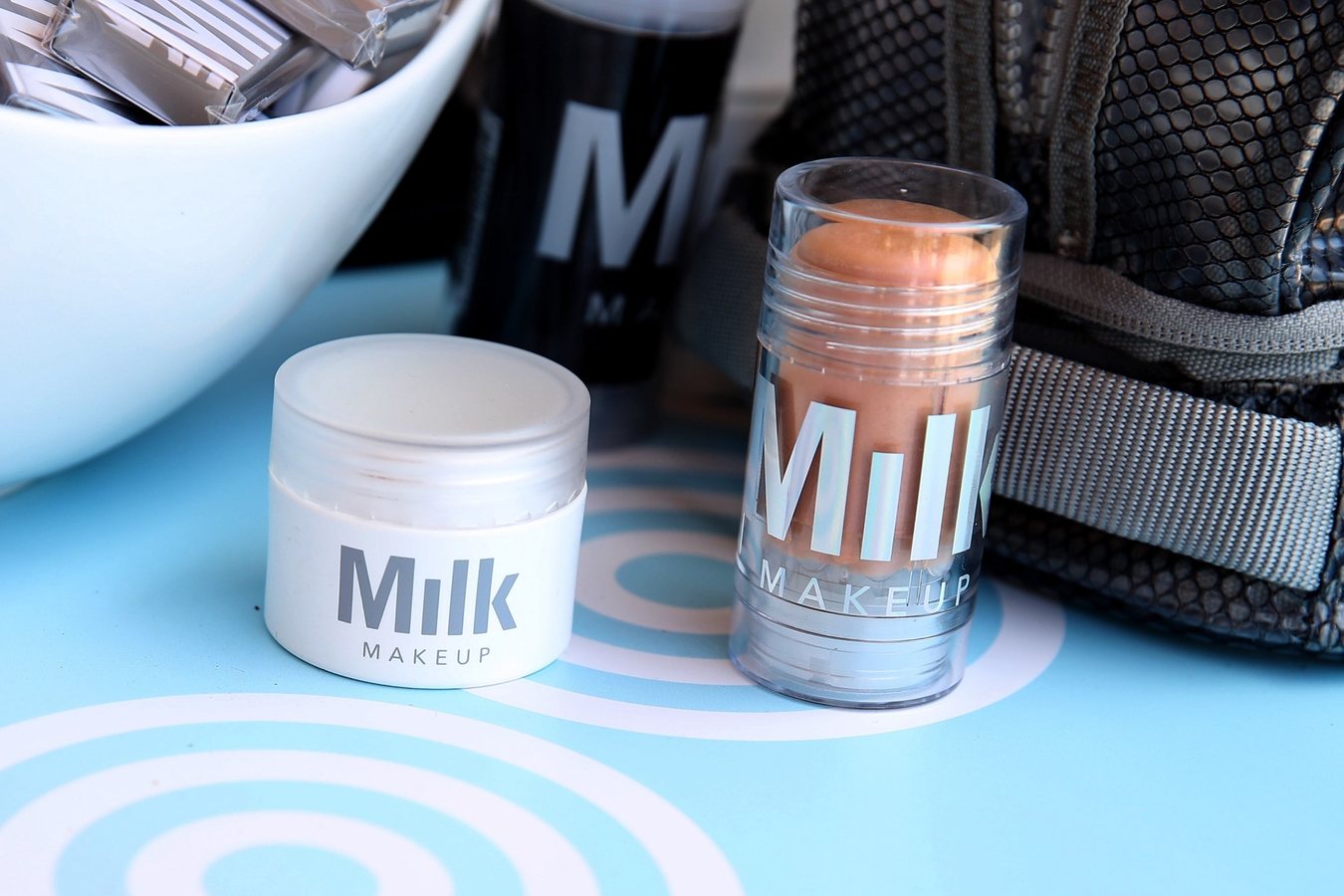
Waldencast, the special purpose acquisition company launched by former L'Oréal executives Michel Brousset and Hind Sebti, has seen its plan to build a $1.2 billion multibrand beauty platform collapse, leaving it with a single struggling asset: Milk Makeup. The brand's net revenue fell 57.1% to $26.1 million in the first half of 2026, down from $60.9 million a year earlier, according to the company's first-half results published Sept. 28.
The decline was compounded by an adjusted EBITDA loss of $14.8 million, a sharp reversal from a $9.7 million profit in the same period last year. Waldencast attributed part of the drop to roughly $10 million in pipeline shipments that occurred in the year-earlier period but did not repeat. The company said the results «largely reflect decisions and actions taken in 2025.»
The retrenchment follows the June agreement to sell Obagi Medical, a physician-dispensed skincare brand, to private equity firm Bridgepoint. That deal closed July 30 for up to $460 million, including vendor notes and up to $64 million in earnout payments tied to future performance. Waldencast had valued Obagi at $858 million on an enterprise-value basis when it struck the original deal in 2021. It had also sold Obagi's Japan rights to Rohto Pharmaceutical for $82.5 million in late 2025.
Three of Waldencast's most senior executives — Brousset, Sebti, and CFO Manuel Manfredi — left to lead Obagi alongside Bridgepoint. Executive chairman Felipe Dutra now serves as Waldencast's principal executive and financial officer. The departures left the company focused entirely on Milk Makeup.
Four days before releasing its results, Waldencast filed a Form 25 to voluntarily delist from Nasdaq, with its last trading day expected on or about Oct. 2. The company plans to seek quotation on an over-the-counter market under the ticker «MLKM.» It estimates it can eliminate 80% to 90% of its $18.5 million in annual central headquarters costs.
Waldencast's accounting reveals how far expectations for Milk have fallen. In its first-half results, the company took a $52.3 million noncash goodwill impairment charge on Milk, following a $20 million impairment a year earlier. The latest write-down reduced Milk-related goodwill from $115.1 million to $62.8 million. As part of the impairment test, Waldencast estimated the fair value of the Milk Makeup reporting unit using a model weighted 80% toward discounted cash flow analysis and 20% toward comparisons with publicly traded companies. While the company did not disclose the resulting fair value, the disclosed sensitivity — a 5% lower projected adjusted EBITDA would cut fair value by $74.7 million, or 41.6% — implies a base estimate of roughly $180 million. That is an accounting estimate, not a sale price, and is not directly comparable to the $382 million enterprise value Waldencast placed on Milk in the 2021 deal.
Waldencast has acknowledged four main problems at Milk: distribution expanded faster than the company could support with field education and marketing; some 2025 launches failed to recruit enough new consumers or generate incremental demand; the quality and value of its previous generation of Sticks fell behind consumer expectations; and the lack of an early-summer launch in 2026 left the brand without new products during one of the category's busiest periods, whereas a year earlier it had four launches in the same window.
Now the company is going back to Milk's roots. Cofounder Mazdack Rassi was named president, a move aimed at reconnecting the brand with its original identity. At major retailers like Sephora and Ulta, Milk Makeup products remain on shelves, but the corporate picture is far less reassuring. Tim Coolican, who was CEO of Milk Makeup when the Waldencast deal was struck and still held the role in early 2025, has since left the company. Waldencast's filings do not specify when or why he departed. By February, Coolican had joined Blackstone as an operating executive focused on consumer businesses. A Waldencast spokesperson told Fortune the company could not comment on former employees' departures.
3