Memorandum
- From
- Derek Weston via FOX News
- Date
- Filed
- Business·5 min to read
- Re
Ukraine Drone Strikes on Yandex Data Centers Expose AI Infrastructure Risks
ReUkraine Drone Strikes on Yandex Data Centers Expose AI Infrastructure Risks
A series of Ukrainian drone attacks in October disrupted three major Yandex computing facilities in Russia, highlighting the vulnerability of physical data centers that power artificial intelligence systems and raising questions about the security of similar infrastructure in the United States.
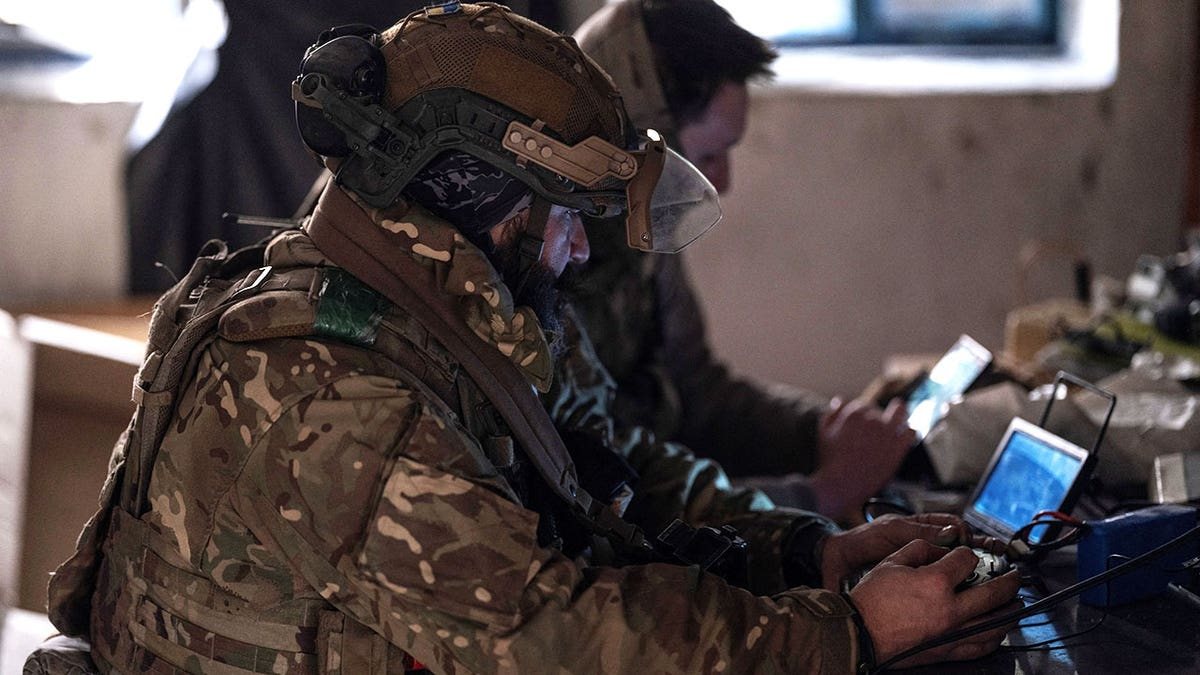
A string of Ukrainian drone strikes inside Russia has disrupted three major data centers operated by Yandex, the country's leading technology company, in a span of four days this month. The attacks forced the suspension or shutdown of facilities that house some of Russia's most powerful computing equipment, including supercomputers used to train artificial intelligence models.
The first strike, on October 8, hit Yandex's Sasovo data center and prompted the company to halt operations there. The facility contained two of Yandex's three supercomputers dedicated to AI training, including the system behind its YandexGPT model. The following day, another attack damaged several modules at the company's Kaluga facility, which Yandex had described as its most powerful data center in Russia. On October 11, Yandex announced that its Vladimir-region data center had shut down completely after a drone strike.
Yandex said it could not yet determine whether the damaged equipment could be restored. The company has not provided a full assessment of the losses, but the sequence of attacks demonstrated that an adversary can severely disrupt an AI developer without directly targeting its software. Striking the physical infrastructure that keeps advanced computing running — buildings, processors, power supplies, cooling systems and communications links — proved sufficient to take critical systems offline.
The episode carries implications beyond Russia's borders. In the United States, Loudoun County, Virginia, and neighboring Prince William County hold the highest concentration of data centers in the world. Those campuses rely on fences, cameras and guards for ground security, but such measures offer no defense against aerial drones. Under federal law, only federal agencies and certified state and local police have the authority to bring down a drone.
The Cybersecurity and Infrastructure Security Agency has described energy and communications as fundamental to the operation of nearly every other critical infrastructure sector. That interdependence means an outage at a privately operated computing facility can quickly become a national security concern when the site supports essential defense, intelligence or government missions. A disruption does not need to destroy equipment outright to cause harm; intelligence that arrives after a commander must act may come too late to protect troops or shape a decision.
President Trump has already taken initial steps to address the issue. A national security memorandum issued on June 5 directed agencies to form partnerships with private companies to secure advanced AI technologies, including through threat intelligence sharing, joint red-team exercises and stronger physical and cybersecurity protections for data centers. The memorandum gave agencies 120 days to develop those partnerships, a deadline that passed on October 3.
The administration's new Super Intelligence Task Force, announced on October 4 and led by Director of National Intelligence Jay Clayton, is positioned to demand answers about what has been accomplished. The task force's vice chair, Scott Kupor, has said the full committee was expected to convene and issue a charter afterward. Infrastructure readiness, according to the source, belongs in that charter.
The recommended steps include identifying which computing capabilities are essential to national defense and intelligence missions, assessing the cost of losing them and the time required to restore operations. Responsibility should be clearly assigned: private operators would harden facilities and build redundancy, while government agencies and local police would plan counter-drone coverage for the most critical sites. Federal agencies would also provide timely threat information and coordinate emergency assistance.
Proportionate, enforceable security requirements could be written into government contracts, covering power, cooling and communications as well as computing equipment. Congress may need to close demonstrated gaps in authority. Finally, recovery should be tested through exercises similar to the continuity drills that Washington-area agencies have long conducted, including scenarios involving the loss of more than one facility.
5