Memorandum
- From
- Derek Weston via Electrek
- Date
- Filed
- Business·5 min to read
- Re
Tesla recalls over 2.7 million vehicles in China to add cabin camera driver monitoring
ReTesla recalls over 2.7 million vehicles in China to add cabin camera driver monitoring
Tesla is recalling 2,740,642 vehicles in China to strengthen driver monitoring on its assisted-driving system. Regulators determined that detecting a hand on the steering wheel is insufficient to ensure drivers are watching the road. The fix will use the car's cabin camera to track the driver's eyes.
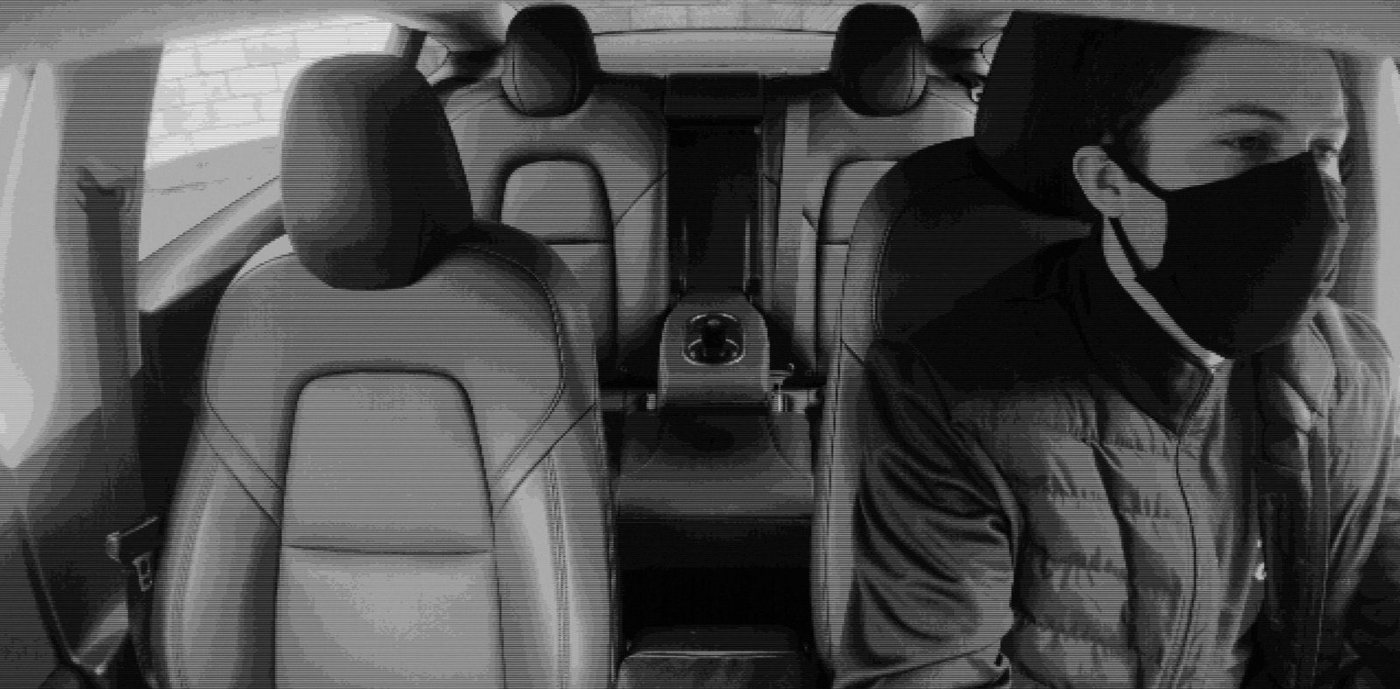
Tesla is recalling more than 2.7 million vehicles in China to strengthen driver monitoring on its assisted-driving system, after regulators concluded that checking for a hand on the wheel is not enough to keep drivers focused on the road. The recall covers 2,740,642 vehicles and will require the company to use the car's cabin camera to track the driver's eyes, a measure aimed at preventing misuse of the advanced driver-assistance features.
The action follows a review by Chinese regulators who found that the existing system, which primarily relies on detecting torque or pressure on the steering wheel, could be circumvented by drivers who are not paying attention to the road. The new monitoring approach is designed to detect when a driver's gaze is not directed forward, adding a layer of oversight that goes beyond physical contact with the steering controls.
This is not the first time Tesla has faced scrutiny over driver monitoring in China. Earlier this year, Chinese drivers were widely reported to be using inexpensive plastic doll heads, costing around $20, to trick the vehicle's interior camera into believing a driver was present and attentive. Those devices were placed in the driver's seat to mimic a human head, allowing the assisted-driving system to remain active even when no one was properly supervising it. The new software and hardware updates are intended to close that loophole by relying on eye-tracking rather than simple presence detection.
The recall applies to a broad range of Tesla models sold in China, including the Model 3, Model Y, and other vehicles equipped with the company's assisted-driving software. Tesla will deliver the update over the air, meaning owners will not need to visit a service center for the fix. The company will remotely install the new driver monitoring software, which will activate the cabin camera to continuously observe the driver's eye movements and issue alerts if the system detects that the driver is not looking at the road for an extended period.
Regulators in China have been tightening requirements for assisted-driving systems as the technology becomes more widespread. The country's approach has focused on ensuring that automakers implement robust safeguards to prevent drivers from over-relying on semi-autonomous features. Tesla's recall is part of a broader pattern in which Chinese authorities have pushed automakers to adopt more rigorous safety measures, particularly in the area of driver attention monitoring.
The move also highlights a growing divergence in how Tesla handles driver monitoring in different markets. In the United States, the company has historically relied on steering wheel torque detection as the primary method of confirming driver engagement, though it has also introduced cabin camera monitoring in some newer models. The Chinese recall, however, makes eye-tracking a mandatory component of the system for all affected vehicles, setting a stricter standard than what Tesla has implemented in other regions.
For Tesla, the recall represents both a regulatory challenge and an operational adjustment. The company has repeatedly emphasized that its assisted-driving features are designed to reduce driver workload, but it has also faced criticism that its monitoring systems are too permissive. The Chinese recall is a direct response to that criticism, forcing Tesla to align its technology with the expectations of one of its largest markets.
The recall is not expected to have a significant financial impact on Tesla, as the fix is delivered through a software update rather than a physical repair. However, it does add to the list of regulatory actions the company has faced globally. Tesla has issued multiple recalls in recent years, many of which were also addressed through over-the-air updates, reflecting the growing complexity of automotive software and the increasing attention regulators are paying to driver-assistance systems.
Chinese authorities have not indicated whether further actions are planned against Tesla or other automakers. The recall is part of an ongoing effort to ensure that advanced driver-assistance systems are deployed safely and that drivers remain engaged while using them. As the technology evolves, regulators in China and elsewhere are likely to continue refining their requirements, with driver monitoring expected to remain a central focus.
49