
Memorandum
- From
- Derek Weston via Fortune | FORTUNE
- Date
- Filed
- Business·4 min to read
- Re
Team Group CEO warns memory chip shortage will peak through 2027
ReTeam Group CEO warns memory chip shortage will peak through 2027
Gerry Chen, CEO of Team Group, says the memory chip shortage will reach its worst point through the end of the second quarter of 2027, with no price relief expected that year and a supply-demand balance not likely before the second half of 2028.
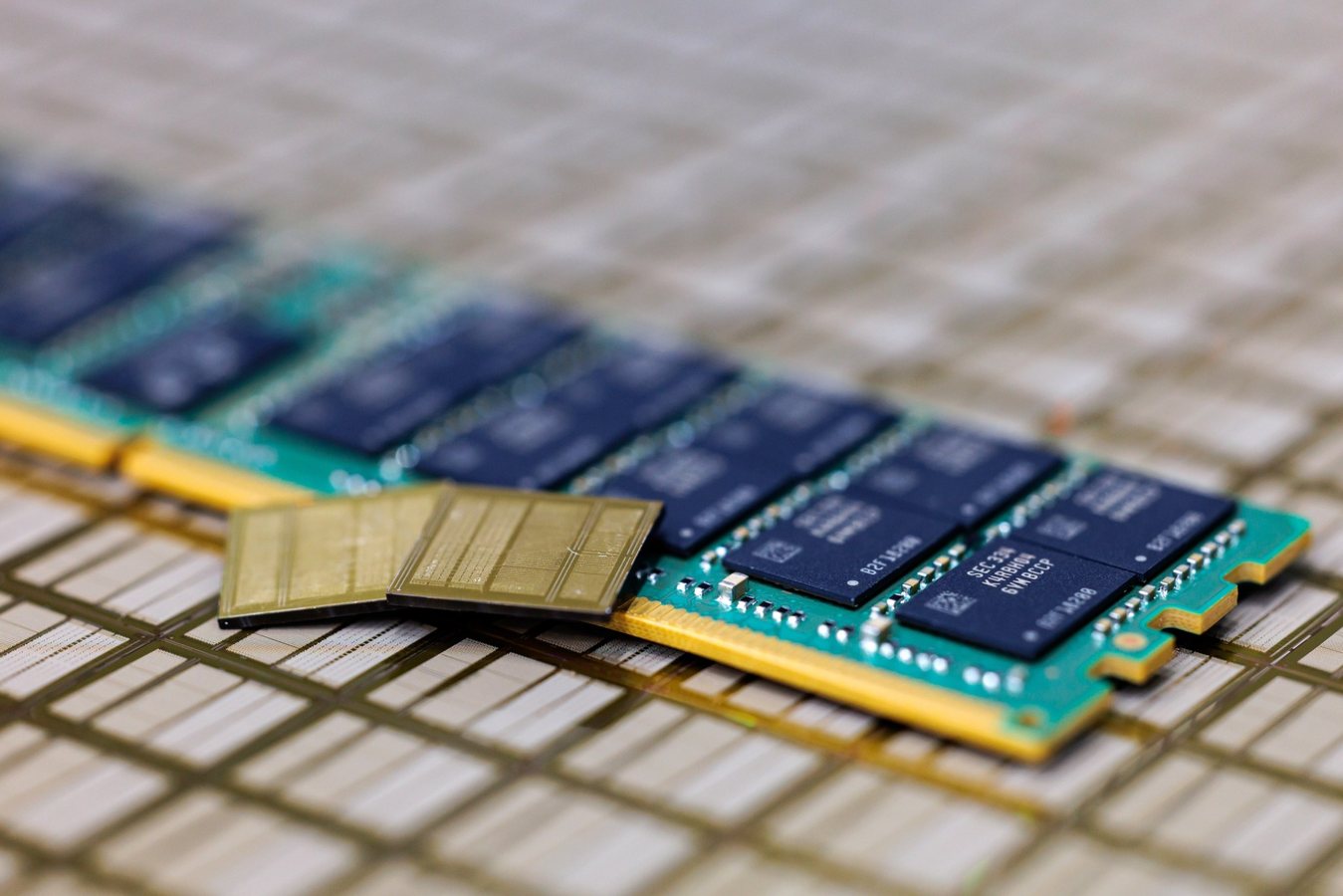
The chief executive of memory module maker Team Group, Gerry Chen, has warned that the global memory chip shortage will reach its most severe point through the end of the second quarter of 2027. Speaking on the company's third-quarter earnings call on Nov. 2, Chen said prices are not expected to fall during 2027, and that he does not see a supply-demand balance arriving before the second half of 2028. He went as far as saying the shortage could be so severe that even money would not be enough to buy certain goods.
The pressure is being driven largely by artificial intelligence. Chen said AI servers are now absorbing most of the output of dynamic random-access memory, or DRAM, and that the major producers, including Samsung, SK Hynix and Micron, are shifting manufacturing capacity toward high-bandwidth memory used in AI systems. He described the data centers being built to support AI as a huge financial bet by the United States, a wager that is consuming the components that consumer electronics makers depend on.
The effects are already visible in pricing. According to figures Chen cited, the contract price for 16Gb DDR5 memory rose from $8.70 in October 2025 to $48 in September 2026. Chen said spot-market premiums currently run 30 to 50 percent above contract prices. The squeeze is also reaching consumer devices: Apple has reportedly cut component orders for the iPhone 18 Pro after a $100 price increase, and the research firm IDC projects a 16.7 percent drop in smartphone shipments in 2026.
Team Group itself has benefited from the market conditions. The company reported record third-quarter revenue of about $312 million, up roughly 34 percent from the previous quarter. Its gross margin rose to 49.3 percent from 42.8 percent, and its business-to-business share of revenue climbed to 64.6 percent from 24.6 percent. Chen said the company's New Taipei plant is due to begin operations in the second quarter of 2027.
Relief is not expected quickly from the industry as a whole. SK Hynix has said the shortage could last until 2030, while analyst Willy Shih expects new fabrication plants to reach volume production in late 2027 or 2028. Until then, the gap between demand from AI infrastructure and the available supply of memory is likely to keep pressure on prices across the sector.
The shortage is also intersecting with a separate political and corporate matter. Nvidia's board is probing a reported affair involving CEO Jensen Huang and a Megaspeed executive who is suspected of spying for China; the executive has no relation to Huang, according to the reporting. President Donald Trump said the FBI is « looking into » the matter. Because Nvidia relies on Samsung and SK Hynix memory, possible tighter U.S. export controls on AI chips could affect Korean memory makers, although South Korea expects existing contract deliveries to continue. Nvidia is scheduled to report earnings on Nov. 17, and a House briefing has been requested for Nov. 18. It is not yet known whether the probe will affect memory supply at all.
3

Source: Memory chip CEO warns 2027 shortage will be so bad that ‘even money can’t buy goods’