
Memorandum
- From
- Caroline Mercer via FOX News
- Date
- Filed
- Business·5 min to read
- Re
Nike Shareholders Reject Transparency Proposal on Charitable Giving
ReNike Shareholders Reject Transparency Proposal on Charitable Giving
Nike investors voted down a proposal asking the company to report on the risks of its charitable support, including its perfect score on the Human Rights Campaign's Corporate Equality Index. The proposal received less than 1% of votes cast.
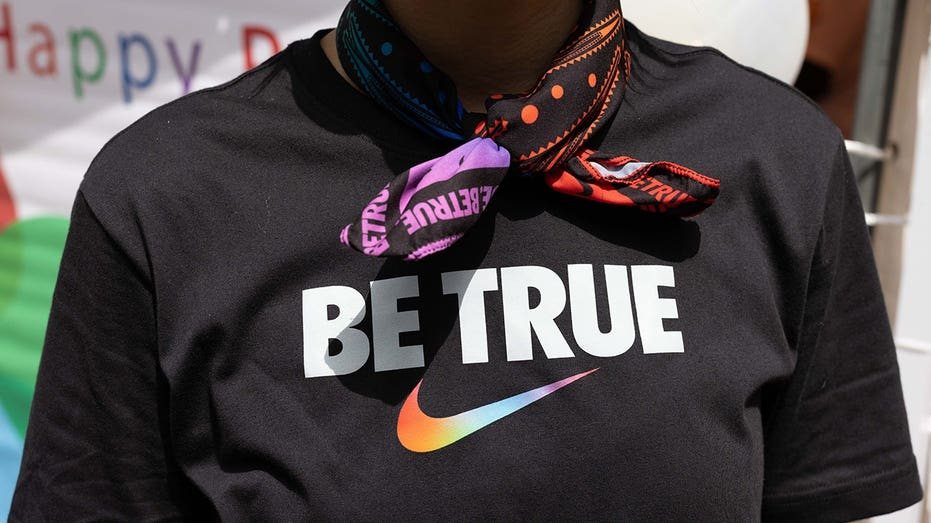
Nike shareholders overwhelmingly rejected a proposal that would have required the company to evaluate and report on the benefits, costs, and risks of its charitable giving, including its relationship with the Human Rights Campaign and its Corporate Equality Index. The proposal, known as Proposal 5, was voted down at Nike's annual meeting on Sept. 8, with less than 1% of votes cast in favor, according to a Sept. 10 SEC filing.
The resolution was backed by Inspire Investing, a faith-based investment firm, on behalf of client William C. Cunningham. Inspire argued that Nike's verified score of 100 on the Human Rights Campaign's 2026 Corporate Equality Index raises questions about whether the company's employee health plan covers gender-transition procedures for minors, including surgery, hormone therapy, and puberty blockers. The firm also pointed to Nike's broader diversity, equity, and inclusion initiatives and its charitable partnerships with advocacy organizations as potential sources of legal, reputational, and financial risk.
Nike's board had recommended shareholders reject the proposal, stating in its 2026 proxy statement that the company already evaluates those risks and that an additional report would consume time and resources without providing value. «The company's current approach to charitable giving, together with our existing disclosures and guidelines, appropriately serves the best interests of our shareholders,» Nike said. The company also said its charitable partnerships undergo a «robust due diligence review.»
Tim Schwarzenberger, a portfolio manager and director of corporate engagement at Inspire Investing, said the vote outcome was not surprising, as most shareholder proposals do not receive majority support. «But we were able to make the case to shareholders and raise issues that I think are on the minds of many shareholders,» he said. Schwarzenberger, who described himself as a Christian investor, said he wants to see Nike change its approach so he can feel comfortable buying its products again. «I would like to get back to buying the shoes, but I can't rationalize doing that when Nike has become so activist,» he said. «If the company can change, I would be the first to applaud them and get in line.»
The proposal focused heavily on Nike's relationship with the Human Rights Campaign, which evaluates companies on LGBTQ workplace policies. Nike received a verified score of 100 on the 2026 index, which the HRC recognizes as a leader in LGBTQ workplace inclusion. Schwarzenberger argued that the score means Nike is complying with what Inspire considers an increasingly left-wing set of corporate requirements. «It's really been like a moving treadmill where they've upped the ante every single version. The goalposts are always switching,» he said.
Participation in the HRC survey declined sharply this year. According to the HRC's own report, the number of Fortune 500 companies submitting information fell 65%, from 377 companies in 2025 to 131 in 2026. The HRC said the decrease in public reporting does not necessarily mean companies changed their underlying workplace policies. Nike remained a participant.
Schwarzenberger said Nike's continued participation raises questions about whether the company has adequately considered the risks of its partnerships. «Our ask is simply to provide transparency into what Nike is doing,» he said. «If the company has analyzed the risk of these organizations, then let us see it.»
The shareholder vote comes as Nike faces broader market challenges. The company is set to be removed from the S&P 100 before trading begins Sept. 21, after nearly 18 years in the blue-chip index. S&P Dow Jones Indices said the rebalance is intended to make its indexes more representative of their market-cap ranges. Nike's market capitalization has fallen by more than $200 billion since its November 2021 peak. The company has also lost ground to newer competitors and faced product challenges, while Greater China revenue fell 13% on a currency-neutral basis in fiscal 2026.
Schwarzenberger acknowledged that Nike's political decisions cannot be blamed for all of the stock decline. «It is hard to dissect exactly what is causing the share-price decline,» he said. «There are many factors, including China and perhaps some missteps with the company's approach.»
59