
Memorandum
- From
- Caroline Mercer via Carscoops
- Date
- Filed
- Business·4 min to read
- Re
Hyundai Ioniq 5 N Line Review: Strong Performance, High Price
ReHyundai Ioniq 5 N Line Review: Strong Performance, High Price
The 2026 Hyundai Ioniq 5 N Line delivers quick acceleration, a spacious cabin, and sporty styling, but its AU$86,990 price tag makes it a tough sell against newer rivals.
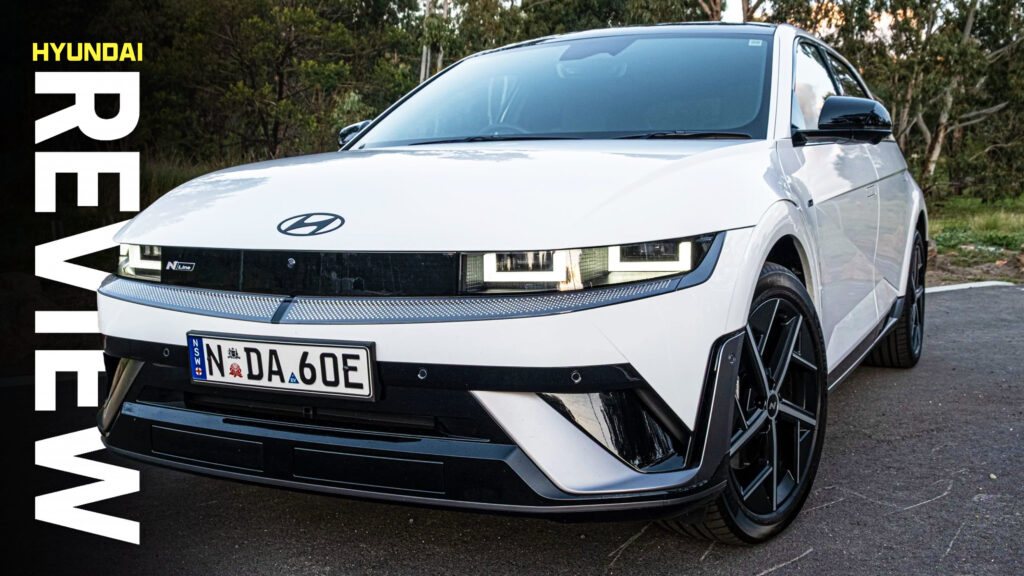
The 2026 Hyundai Ioniq 5 N Line is a quick, stylish, and practical electric SUV that struggles to justify its price against a growing field of newer competitors. In Australia, the N Line Premium tested starts at AU$86,990 (about US$60,600) before on-road costs, placing it well above the base Ioniq 5 and close to more premium alternatives.
The Ioniq 5 was Hyundai’s first electric vehicle built on its 800-volt eGMP architecture, and it quickly established the brand as a serious player in the EV market. The original model impressed with a bold design, efficient powertrain, and spacious interior. A 2024 update brought a larger 84 kWh battery, replacing the previous 77.4 kWh pack, along with minor exterior tweaks and a redesigned cabin. The N Line variant adds sporty styling cues borrowed from the high-performance Ioniq 5 N, including a more aggressive front bumper, black rocker panels, and a rear diffuser.
Under the skin, the N Line pairs two electric motors for a combined 321 horsepower and 446 lb-ft of torque. That’s enough to sprint from 0 to 62 mph in 5.1 seconds. While it lacks the ferocious acceleration of the full Ioniq 5 N, the N Line still feels quick and delivers strong grip. Efficiency is reasonable for its size and power, rated at 17.6 kWh per 100 km. The flat floor and 118.1-inch wheelbase create a genuinely roomy cabin, with excellent rear legroom and a large panoramic glass roof—though it doesn’t open. A front trunk and flat-folding rear seats add practicality.
Inside, the N Line gets sporty touches like a steering wheel similar to the 5 N’s, red contrast stitching, and seats trimmed in black leather and Alcantara. Dual 12.3-inch screens and wireless Apple CarPlay and Android Auto are standard. Hyundai retains a separate climate control panel, a feature increasingly rare as rivals move to touchscreen-based controls. However, the cabin doesn’t feel as premium as some competitors, particularly newer Chinese EVs that offer more luxurious materials at similar prices. The lack of rear climate controls is also a notable omission.
Pricing is the biggest obstacle. In Australia, the Ioniq 5 range starts at AU$70,990 (US$49,400) for a limited-run base model, rising to AU$75,990 (US$52,270) for the Elite and AU$86,990 (US$60,600) for the N Line Premium. The high-performance Ioniq 5 N sits at the top. In the US, the lineup is different: the base SE Standard Range starts at just US$35,250, and the top Ioniq 5 N reaches US$59,900. There is no N Line in the US; instead, buyers can choose the rugged XRT model. The substantial price gap between markets reflects different specifications, taxes, and incentives.
For buyers considering the Ioniq 5 N Line, the appeal lies in its blend of performance, efficiency, and everyday usability. It is comfortable, quiet, and quick enough to be fun. But at its Australian price, it faces stiff competition from newer EVs that offer more range, more power, or more premium interiors. The N Line is a solid all-rounder, but it no longer stands out as the value proposition the Ioniq 5 once was. As the electric SUV market matures, Hyundai’s challenge is to keep the Ioniq 5 competitive on price without sacrificing the qualities that made it a breakthrough model.
8