Memorandum
- From
- Derek Weston via InsideEVs
- Date
- Filed
- Business·6 min to read
- Re
Hyundai and Genesis EV Owners Get Discounted Fast Charging at Ionna Stations
ReHyundai and Genesis EV Owners Get Discounted Fast Charging at Ionna Stations
Hyundai and Genesis electric vehicle owners in the U.S. can now access discounted fast charging rates at Ionna charging stations, thanks to two stackable promotions that make charging more affordable.
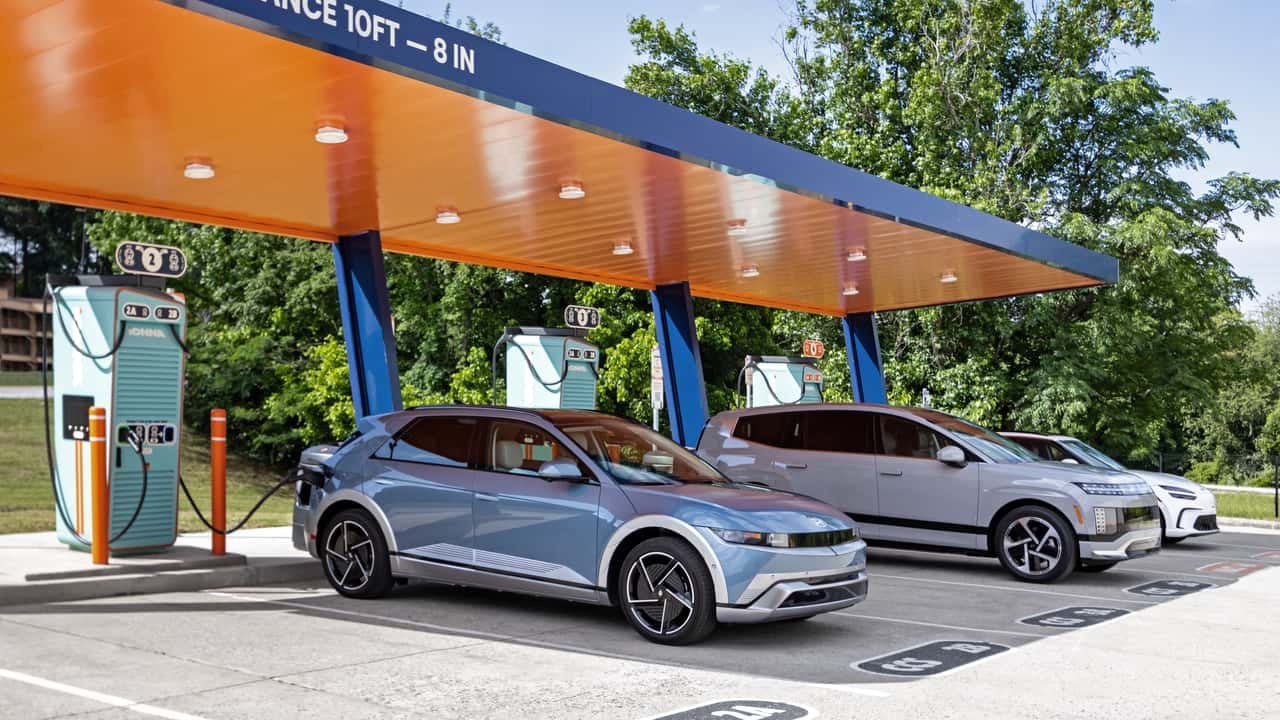
Hyundai and Genesis electric vehicle owners in the United States are now eligible for significant discounts at Ionna fast charging stations, a move that could lower the cost of road trips and daily charging for thousands of drivers. The promotion combines two stackable offers, resulting in some of the most competitive fast charging prices currently available in the country.
Ionna, a charging network backed by a joint venture of major automakers, has been expanding its presence across North America. The new discounts apply specifically to Hyundai and Genesis models, giving owners of vehicles such as the Hyundai Ioniq 5, Ioniq 6, and Genesis GV60 access to reduced rates at participating stations. The exact pricing varies by location and time of day, but the combined discounts are designed to make public fast charging more comparable to home charging costs.
The first discount is a general promotional rate offered by Ionna to all users, while the second is an exclusive member benefit for Hyundai and Genesis owners. When applied together, the two discounts can reduce the per-kilowatt-hour price substantially. Industry analysts note that this type of partnership reflects a broader trend among automakers to invest in charging infrastructure and customer loyalty programs as electric vehicle adoption continues to grow.
Hyundai has been one of the more aggressive automakers in the U.S. EV market, with its dedicated E-GMP platform underpinning several popular models. The company has also partnered with other charging networks in the past, including Electrify America, which offered complimentary charging sessions for early buyers. The new Ionna agreement extends that strategy, aiming to reduce one of the main barriers to EV ownership: the cost and convenience of public charging.
Ionna was established as a joint venture by several global automakers, including BMW, General Motors, Honda, Hyundai, Kia, Mercedes-Benz, and Stellantis. The network is designed to compete with established players like Tesla's Supercharger network and other independent charging providers. Its stations are equipped with high-power chargers capable of delivering up to 350 kW, which can add significant range in a short amount of time for compatible vehicles.
For Hyundai and Genesis drivers, the discount program is accessible through the Ionna mobile app or directly at the charger. The process typically involves linking the vehicle's manufacturer account or entering a promotional code. Once activated, the discount is applied automatically to each charging session, making it a seamless experience for the driver.
The timing of the announcement is notable, as the U.S. EV market is experiencing a period of rapid change. Tesla's decision to open its Supercharger network to other brands has reshaped consumer expectations, and legacy automakers are responding by building out their own charging ecosystems or partnering with networks like Ionna. Competitive pricing is becoming a key differentiator, especially as federal and state incentives for EV purchases face uncertainty.
Charging costs have been a point of contention among EV owners, with prices at public fast chargers often exceeding the equivalent cost of gasoline per mile. By offering discounted rates, Hyundai and Ionna are directly addressing that concern. For a typical charging session that adds 200 miles of range, the savings could amount to several dollars, which adds up over the course of a year for frequent drivers.
The partnership also signals a shift in how automakers view charging infrastructure. Rather than simply relying on third-party networks or building proprietary systems, many are now forming coalitions to ensure their customers have reliable and affordable access to charging. Ionna's automaker-backed structure is a prime example, as it allows participating brands to influence network development and pricing strategies.
Hyundai has not announced an end date for the promotion, suggesting that it may become a permanent feature of the ownership experience. The company is also expected to extend similar benefits to future models, including the upcoming Ioniq 9 SUV. As the charging landscape continues to evolve, deals like this one are likely to play an increasingly important role in automaker marketing and customer retention efforts.
For now, Hyundai and Genesis owners who frequently use public fast chargers have a clear financial incentive to seek out Ionna stations. The combination of competitive pricing, high-power hardware, and a growing network footprint makes Ionna an attractive option. Whether this partnership will pressure other networks to lower their rates remains to be seen, but the immediate benefit for consumers is undeniable.
49