
Memorandum
- From
- Connor Quincy via fox - Opinion
- Date
- Filed
- Business·4 min to read
- Re
Chinese Firms Allegedly Used Singapore and Malaysia to Obtain Nvidia Chips
ReChinese Firms Allegedly Used Singapore and Malaysia to Obtain Nvidia Chips
A published opinion piece describes an alleged scheme by Chinese companies to obtain Nvidia chips through firms in Singapore and Malaysia, and raises questions about the effectiveness of U.S. export controls.
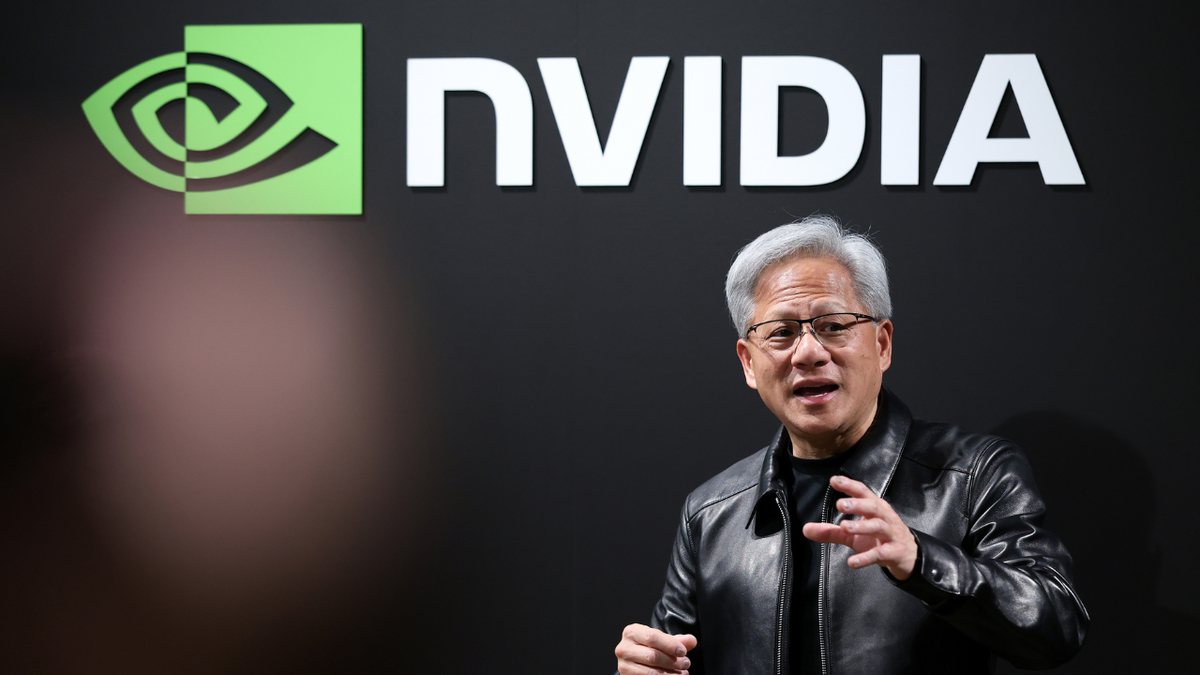
A published opinion piece on Fox News describes an alleged scheme by which Chinese companies attempted to obtain Nvidia's advanced artificial intelligence chips while bypassing U.S. export restrictions. The author claims that the key elements of the scheme were purchases through firms in Singapore and Malaysia and the use of gaps in the export control system.
The central figure in the material is Alice Huang (Huang Le), who is linked to the company Megaspeed International. According to U.S. intelligence assessments, she was recruited by China's Ministry of State Security. The material also reports that Huang had a relationship with Nvidia CEO Jensen Huang. At the same time, the author acknowledges that the impact of this relationship on chip shipments has not been proven, and there is no evidence that Nvidia's secrets were transferred. Such claims in the material are presented as assumptions rather than established facts.
According to Bloomberg, cited in the material, about 50,000 Nvidia processors were involved, whose inventory records did not reconcile. The company later stated that it had found hardware in additional warehouses; however, according to sources, a full verification remains unclear. Megaspeed reportedly purchased Nvidia chips worth more than $4.8 billion starting in June 2024. The processors in question are the H100, H200, and chips from the Blackwell family, which form the main subject of the dispute.
The text also mentions another way of circumventing the restrictions: renting computing power in overseas clouds allows companies to avoid the physical export of equipment subject to control measures. Reuters, as quoted in the material, reported that Chinese artificial intelligence companies are seeking additional overseas Nvidia capacity. According to the author's logic, this is precisely what makes purely physical control insufficient.
Regarding Singapore, the material notes that the country's authorities reportedly asked the United States for help but received limited cooperation. Singaporean authorities found the evidence against Huang insufficient and barred her from returning to the country. According to the author, this episode raised questions about whether U.S. law enforcement actions were delayed or influenced. The U.S. Department of Commerce denies any improper handling of these actions, and these denials are also included in the material.
The political context in the text is tied to the reaction of Congress and changes in the company's leadership. Senators Warren and Coons sent a letter dated November 11, and Jensen Huang stepped down as Nvidia's CEO on November 12. Huang's resignation is not linked in the material to any proven violation, and its reasons are not disclosed. The author of the opinion piece calls on Congress to audit chip serial numbers and their locations, and to examine what Jensen Huang knew about Alice Huang's connections. These calls represent the author's position, not established facts.
In summary, the material describes a broader question: the ability of the American control system to track where the most powerful artificial intelligence chips are located and in whose hands they end up, when they can be used remotely through cloud services. Complete answers to these questions are absent from the cited sources, so the further development of the story will depend on verifications that have not yet been completed.
53

Source: China’s great AI chip loophole: How American espionage stopped China — this time