Memorandum
- From
- Connor Quincy via Fortune | FORTUNE
- Date
- Filed
- Business·5 min to read
- Re
Anthropic President Daniela Amodei Urges Founders to Vacation-Test Cofounders Before Committing
ReAnthropic President Daniela Amodei Urges Founders to Vacation-Test Cofounders Before Committing
Daniela Amodei, cofounder and president of Anthropic, says entrepreneurs should take a vacation with a prospective cofounder before launching a company. If the trip feels like a drain rather than a joy, she warns, that person is likely the wrong choice.
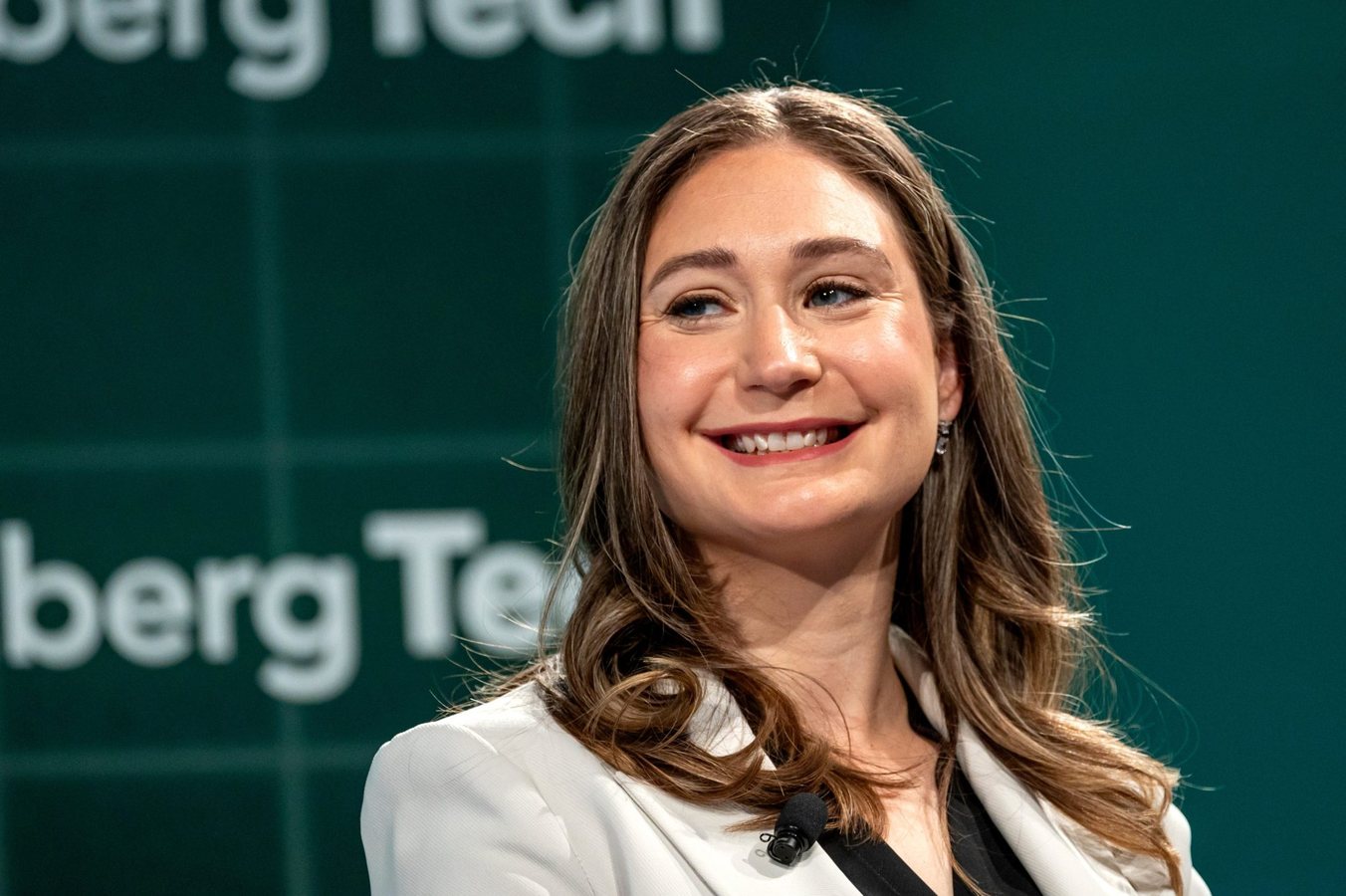
Entrepreneurs weighing whether to launch a company with a prospective cofounder should first take a vacation together, according to Daniela Amodei, cofounder and president of the artificial intelligence company Anthropic. Speaking at the Stanford Graduate School of Business earlier this year, Amodei described the trip as a practical compatibility test that reveals more about a partnership than a business plan ever could.
«Instead of starting a company together, go on vacation together,» Amodei said. «Share a room with them. Be like, ‘How did that go?’ And if you’re like, ‘Man, all I wanna do is spend more time with you,’ great.» She added the inverse warning: «If you’re like, ‘Really, I’m gonna need a vacation to recover from my vacation,’ it might be the wrong choice.»
Amodei speaks from experience. In 2021 she launched Anthropic alongside her brother, CEO Dario Amodei, and five other cofounders. She has said she got «extremely lucky» with that group. She has known her brother her entire life, and several other cofounders have been in her orbit for roughly 15 years. Most had already reported to her or her brother when they all worked at OpenAI, giving the team an established framework for giving and receiving feedback.
That shared history matters because it meant the founders already knew «who we were as people,» Amodei said. The other essential ingredient, in her view, is agreement on what the business is trying to accomplish. Anthropic’s core group left OpenAI for various reasons, including differing views on company vision, and arrived at their new venture already aligned.
Amodei illustrated the point with a vivid scenario. If two cofounders locked themselves in a room and each drew a picture of what they were trying to build, she said, they should not walk out with one having drawn a unicorn and the other a platypus. That kind of mismatch, where partners believe they are pursuing the same goal but are not, tends not to end well.
Her advice echoes long-standing warnings from other prominent figures in the start-up world. Paul Graham, cofounder of the Silicon Valley accelerator Y Combinator, has argued that character and commitment matter more than raw ability when choosing a cofounder. In a 2009 essay, Graham wrote that founders often wished they had paid more attention to those qualities, particularly in start-ups that failed, and offered a blunt lesson: «Don’t pick cofounders who will flake.»
Andy Dunn, cofounder and former CEO of the clothing brand Bonobos, has laid out five tests for prospective partners before they enter what he calls the intense commitment of starting a company together. They include a stress test built around difficult conversations, a time test that involves spending extended periods together, a role exercise to clarify responsibilities and how decisions change at scale, a «when things go south» test to plan for eventual departures, and an examination of differences to ensure partners are not too similar. Dunn has said founders need «very divergent skill sets» and should treat the relationship like a marriage, spending enough social time together to know each other’s friends and loved ones.
Other founders have taken a similarly deliberate approach. Jeff Rosenthal, a venture capitalist, and his business partner Patrick Maloney each wrote out their vision for the company they planned to build before launching CIV, an investment platform that backs and scales technology companies. They exchanged notes «like pen pals» to make sure nothing was lost in translation, covering everything from office schedules to their outlook for the business. Rosenthal has said they wanted to confirm they were aligned on the type of business, the culture they wanted, and their expectations of each other, and that they did not want to leave anything unsaid.
For Amodei, the vacation test distills those broader compatibility questions into a single, low-stakes experience. A trip forces people to share space, navigate small decisions, and see how a partner behaves when there is no board meeting or fundraising deadline to manage. The answer, she suggests, is often immediate and honest: either the time together leaves you wanting more, or it leaves you needing a recovery period before you can even think about building a company.
2