
Memorandum
- From
- Delaney Sawyer via Fast Company
- Date
- Filed
- Business·4 min to read
- Re
A Veteran Engineer Explains Why the iPhone Cannot Be Built in America
ReA Veteran Engineer Explains Why the iPhone Cannot Be Built in America
A product design engineer who brought Apple's first product to Taiwan in 1994 argues the U.S. lost its consumer electronics manufacturing base decades ago and cannot will it back, as pressure mounts on Apple to build iPhones domestically.
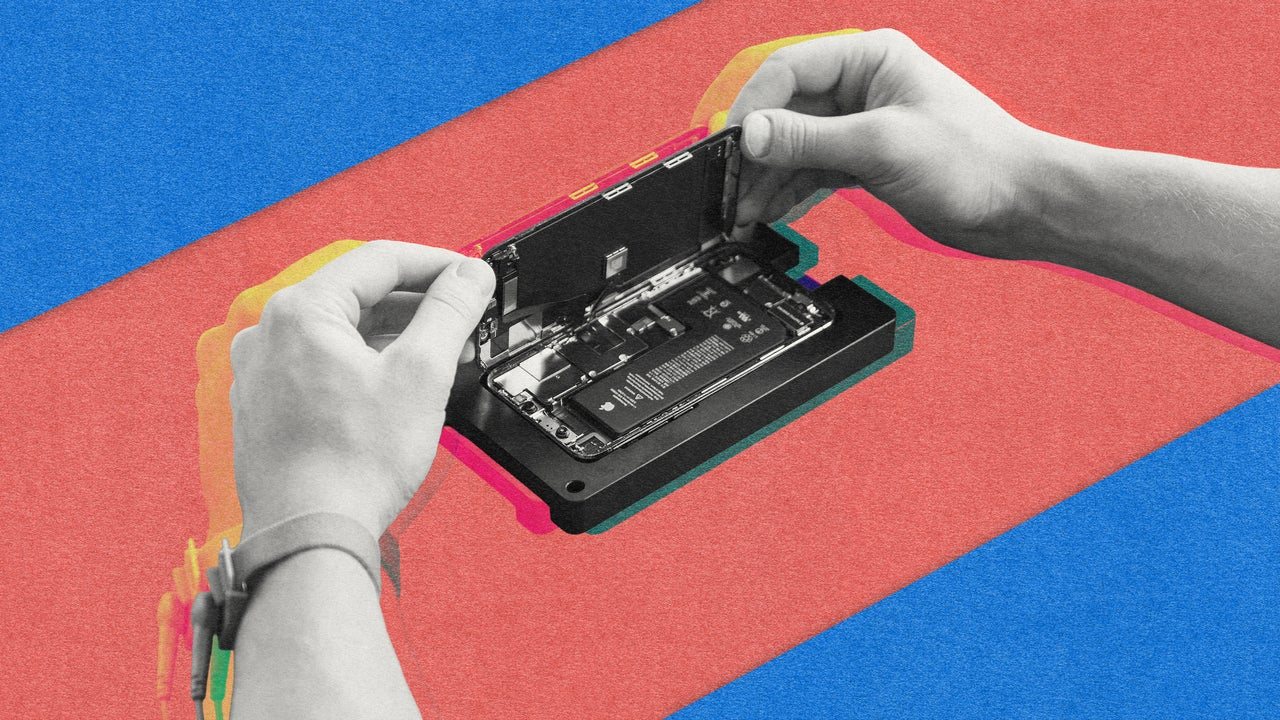
As political pressure grows for Apple to assemble iPhones in the United States, a veteran product design engineer who spent six decades working for companies including Polaroid, Seiko, and Apple says the demand is impossible to meet. The reason, he argues, is not a lack of will but a lack of attitude, infrastructure, and resources that the country gave up on decades ago.
The engineer, who was responsible for bringing Apple's first product to Taiwan in 1994, writes that the United States never invested in building consumer technology manufacturing at the scale achieved by China or Taiwan. Instead, the country prioritized research, design, and innovation while treating low-margin manufacturing work as neither glamorous nor strategic.
That choice had deep roots in the Cold War. Government investment and incentives were directed toward aerospace and defense rather than consumer electronics, and the nation's manufacturing base became dominated by contractors focused on military specifications. Mass production of consumer devices requires a different ecosystem entirely: a dense network of suppliers, competitive labor costs, large workforces, and the flexibility to ramp production up or down quickly. Those resources took shape in Asia, not America.
The engineer's own experience illustrates how the shift happened. When he joined Polaroid in 1966, the company designed consumer cameras that sold millions per year, then handed designs to an internal manufacturing group that returned months later asking for small tweaks to save a few cents. The process was slow and iterative, with little concern for time to market, even as analysts stressed that speed was becoming a critical factor for success in fast-evolving markets.
He tried to keep manufacturing in the United States. He reached out to domestic companies with seemingly synergistic capabilities, but responses often took weeks. Many of those firms were focused on defense-related products and showed little interest in building consumer technology goods with tighter schedules and lower margins. Whether the defense business was simply more lucrative or the country had never invested in consumer manufacturing, the result was the same: disappointing.
The solution came from Japan. A few Japanese companies that had been supplying components to Polaroid offered to take the design early, improve it for manufacturing, and deliver high volumes far more quickly than the internal team could. They brought speed, experience, and predictability, allowing Polaroid to operate with smaller design teams. The pattern repeated over the following decades. When Japan became too costly and less efficient, the engineer turned to Taiwan and later China as each developed its manufacturing capabilities.
In the 1990s, a company he co-founded, ThinkOutside, invented the Stowaway folding keyboard and partnered with a Taiwan keyboard manufacturer experienced in building tiny key mechanisms. Like many other firms trying to reach the market quickly, it did what it did best and let others do what they did best. A few American contract manufacturers, including Solectron and Flextronics, could build products in domestic plants and abroad, but the broader industry's reliance on outsourced manufacturing only grew, driven by cost, scale, and time.
The engineer's conclusion is blunt. The United States lost the battle for consumer electronics manufacturing decades ago and cannot will it back. While China became the manufacturer to the world, it helped American companies become the innovators to the world. That arrangement, he suggests, is not easily reversed by political pressure or corporate pledges.
4