Memorandum
- From
- Derek Weston via TIME.com
- Date
- Filed
- Society·6 min to read
- Re
Mosquito Experts Reveal Summer Mistakes That Attract Pests
ReMosquito Experts Reveal Summer Mistakes That Attract Pests
Mosquito researchers explain the summer habits that turn backyards into breeding grounds, from hidden standing water to forgotten containers and daytime biters.
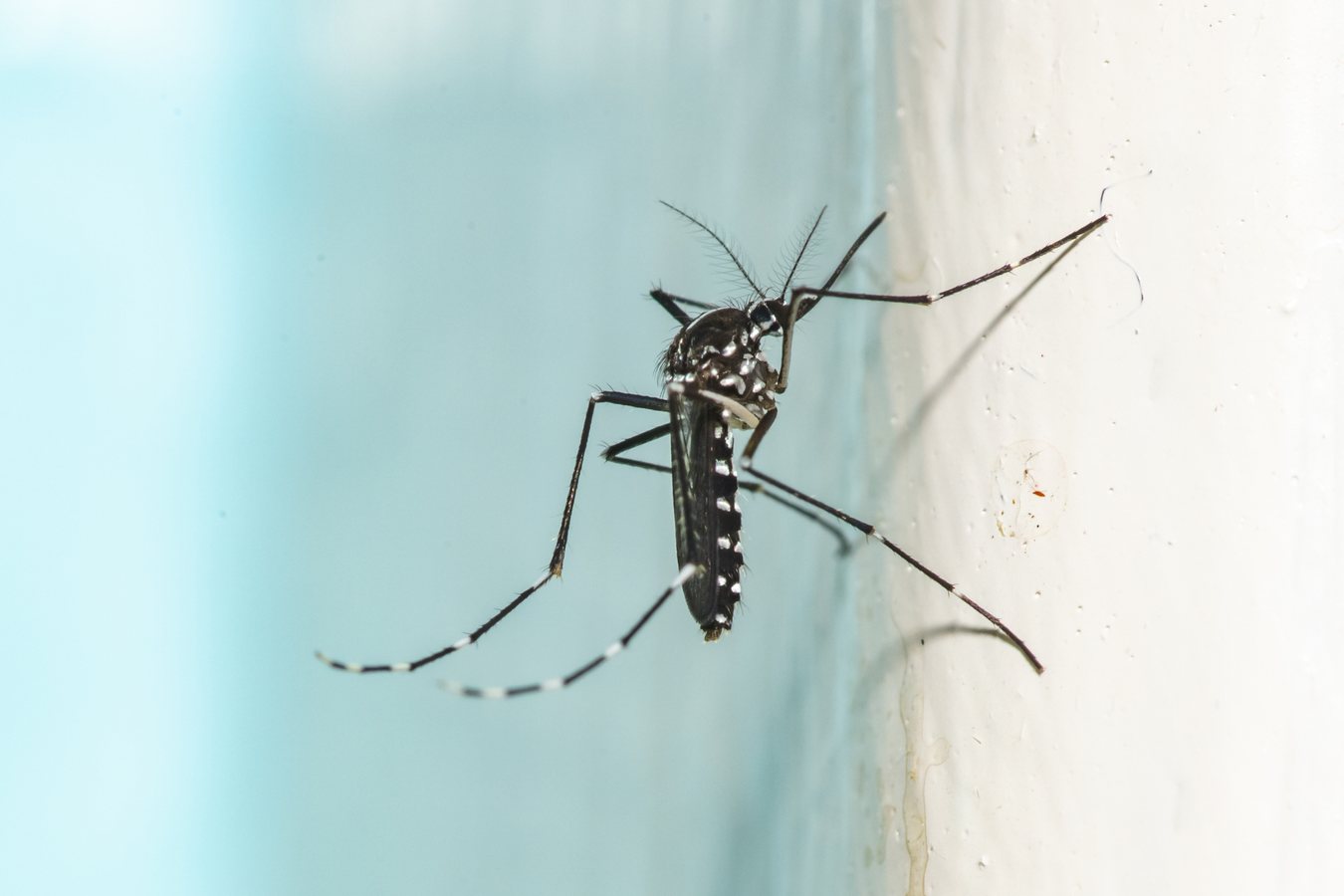
Mosquitoes are often described as the deadliest animals on Earth, and medical entomologists say the threat they pose is easy to forget during summer. Lyric Bartholomay, a medical entomologist at the University of Wisconsin–Madison School of Veterinary Medicine, points out that mosquitoes do not actually bite. They use sucking mouthparts. «So they literally suck,» she says, «and they figuratively suck, too.» The insects spread malaria, dengue, West Nile virus, Zika, chikungunya and other diseases, killing more people than any other creature.
In the contiguous United States, West Nile is the leading mosquito-borne disease, sickening roughly 2,000 people and killing more than 130 each year. There is no single national hot spot: West Nile virus has been reported across the contiguous U.S., and the areas where cases surge can shift from year to year. Most locally acquired dengue transmission occurs in Puerto Rico and other U.S. territories, although limited local transmission has also been documented in Florida, Texas, Arizona, California and Hawaii.
Protecting against mosquitoes, experts say, does not require staying inside or abandoning the backyard. It does require avoiding common mistakes that turn yards into breeding grounds. The following are some habits mosquito researchers say they never practice in the summer.
They do not ignore standing water. Bird baths, koi ponds and fountains are visible and easy to check, but the real problem is hidden water. Louisa Messenger, a vector-borne disease researcher at the University of Nevada, Las Vegas, points to a bottle cap rolled under a shrub that catches a little spray whenever sprinklers run. It holds less than a milliliter of water, but that is enough for certain daytime-biting mosquitoes to lay eggs. «You would never find that, never in 1,000 years,» she says. «But your mosquitoes will find that.» Other easily missed breeding spots include a pocket of water under the soil in a potted plant, a discarded tire and a planter saucer. Mosquitoes prefer still water, and the smaller the pool, the easier it is to miss. Maintained chlorinated pools and fountains with moving water generally are not the problem.
They never walk past a container without glancing inside. Once experts learn what breeding spots look like, they see them everywhere. In Bartholomay's yard, a tarp left crumpled over lumber collected tiny pools after rain. Buckets and cups forgotten after parties are equally inviting. Daniel Markowski, technical advisor with the American Mosquito Control Association, flags children's toys, including dump trucks, sand pails and plastic cups, as well as buried downspouts that do not drain properly. Mosquitoes can breed in trapped water underground and fly in and out through the top.
When standing water is found, it should be dumped and the sides of kept containers scrubbed to dislodge eggs, then turned upside down so they cannot refill. Bromeliads and similar plants can be flushed with a strong hose stream, and blocked downspouts should be cleared or repaired. Markowski says the habit follows him even on dog walks: «You just can't help but make a mental note of everywhere you see standing water.»
They never let a bird bath sit untouched. A bird bath can become a mosquito nursery in about a week, so experts recommend dumping and refilling it at least that often. The U.S. Centers for Disease Control and Prevention also advises scrubbing to dislodge eggs stuck to the sides. Plain water is best, because bleach and harsh chemicals can leave residue that harms birds. The same weekly sweep should cover flowerpot saucers, buckets, toys, tarps and anything else that has collected water. «Just take away their habitat,» Bartholomay says. Gutters do not need weekly attention, but they should stay clear; Markowski cleans his every spring, and Bartholomay uses gutter guards to keep water from pooling.
They would not underestimate the power of a fan. Mosquitoes are weak flyers, so even a modest breeze makes landing difficult. Bartholomay calls a fan one of her favorite tools. When her family plans to eat outside, she points a fan toward the table and switches on a spatial repellent, a small device that heats and releases repellent into the air, about 10 minutes before they sit down. Together, the breeze and repellent make a patio much less hospitable before dinner arrives.
They never assume daylight means safety. The dawn-and-dusk rule is not comprehensive. Culex mosquitoes that spread West Nile virus tend to feed around dawn and dusk, but invasive Aedes mosquitoes, including Asian tiger mosquitoes, are aggressive daytime biters. Aedes mosquitoes can transmit dengue, Zika, yellow fever and chikungunya. These viruses are not endemic in the continental U.S., but travelers can bring them home after becoming infected elsewhere, and local Aedes mosquitoes can then spread them.
Experts emphasize that the same habits protect both comfort and health. Removing standing water, scrubbing containers, turning objects upside down, keeping gutters clear, using fans and applying repellents before outdoor time all reduce mosquito numbers around the home. The goal is not to live in fear of the pests but to take away the places where they breed, making summer evenings outside safer and less itchy.