
Memorandum
- From
- Connor Quincy via fox - Health
- Date
- Filed
- Society·5 min to read
- Re
Long Island officials warn of tick-borne tularemia after three probable cases
ReLong Island officials warn of tick-borne tularemia after three probable cases
Suffolk County health officials are warning Long Island residents after three probable cases of tularemia, also known as rabbit fever, were reported this year.
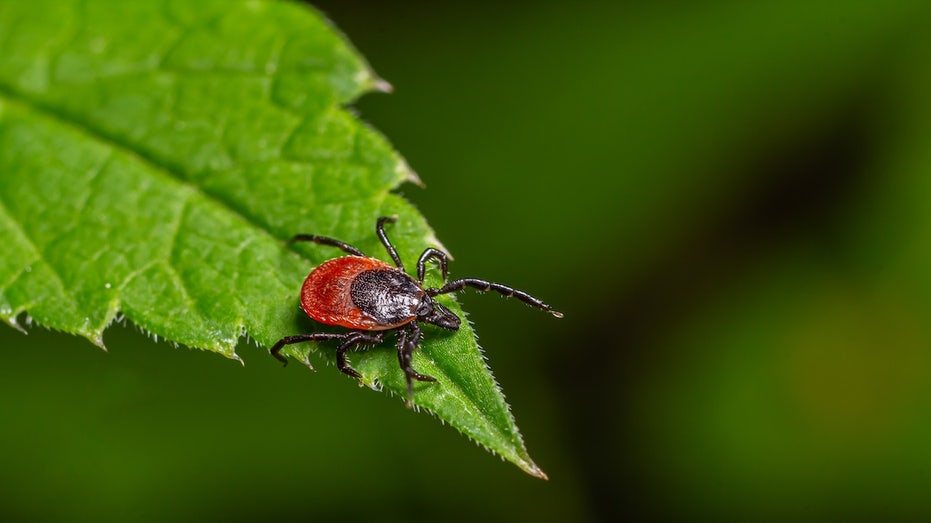
Health officials in Suffolk County, New York, are urging residents to take precautions after three probable cases of tularemia, a rare tick-borne illness also known as rabbit fever, were identified this year. The Suffolk County Department of Health Services said it currently has three probable cases of the disease, which can cause severe illness if left untreated.
A diagnosis of tularemia is not always straightforward. According to the health agency, confirmation requires a combination of laboratory testing and fulfillment of specific clinical or epidemiologic criteria, and the laboratory work needed to confirm a case may take several weeks.
One of the cases involved a 9-year-old boy who was bitten by a tick while playing outside. After the tick was removed, he developed a high fever, severe head and neck pain, swollen lymph nodes, body aches and extreme fatigue. After several doctor visits and nearly a month of illness, an infectious disease specialist diagnosed the boy with tularemia. Although the family's yard is home to wild rabbits, the boy's mother said he never handled the animals. Doctors believe infected ticks likely fed on the rabbits before biting the boy and passing on the bacteria.
Tularemia is caused by Francisella tularensis, a bacterium that commonly infects rabbits, hares and rodents. The disease is zoonotic, meaning it can spread from animals to humans. The U.S. Centers for Disease Control and Prevention (CDC) classifies the bacterium as a Tier 1 select agent, a category reserved for agents and toxins that pose the greatest risk of deliberate misuse and could cause significant harm to public health, the economy, critical infrastructure or public confidence.
While tularemia remains rare, federal data show it has become more common in recent years. There were 196 U.S. cases reported in 2023, and CDC surveillance recorded 2,462 cases between 2011 and 2022, a 56 percent increase compared with the previous decade. Dr. Daniel Ruderfer, chief of the Division of Pediatric Infectious Diseases at Hackensack Meridian K. Hovnanian Children's Hospital in New Jersey, said the rise is likely due at least in part to improved detection methods. Traditional confirmation relied on culture growth and antibody testing, he noted, while newer approaches such as PCR testing are probably a major contributor to the growing number of reported cases.
People can contract the disease through bites from infected ticks or deer flies, direct contact with infected animals, or exposure to contaminated water or aerosols. Symptoms vary depending on the form of the disease but can include chills, headache, malaise, fatigue, loss of appetite, muscle pain, chest discomfort, cough, severe sore throat, vomiting, diarrhea and abdominal pain. In some cases, a skin ulcer may form at the site of the bite or scratch, and nearby lymph nodes may become enlarged. More severe forms can lead to conjunctivitis, pneumonia or bloodstream infections.
The death rate from tularemia is usually low, less than 2 percent, though the CDC has noted it can reach as high as 24 percent in rare, severe cases. Antibiotics are effective against the infection, but no vaccine is currently available. «The infection is absolutely dangerous and potentially life-threatening if not treated with appropriate antibiotics,» Ruderfer said.
Children between the ages of 5 and 9, older men, American Indian and Alaska Native people, and residents of central U.S. states are considered at higher risk. For the general public, health experts said, the risk is not obvious unless someone comes into physical contact with an infected rabbit, tick or deer fly. Officials advised anyone who hunts or handles rabbits regularly to see a doctor if they develop concerning symptoms. The CDC has suggested that higher risk among some groups may be linked to the concentration of Native American reservations in central states and to sociocultural or occupational activities that increase contact with infected wildlife or arthropods.