
Memorandum
- From
- Delaney Sawyer via fox - Most Popular
- Date
- Filed
- Politics·5 min to read
- Re
SEC and Big Ten Back Protect College Sports Act After Intense Talks
ReSEC and Big Ten Back Protect College Sports Act After Intense Talks
The SEC and Big Ten agreed to support the bipartisan Protect College Sports Act after frantic negotiations involving senators, the White House and the College Sports Committee, clearing a major hurdle for a possible Senate vote before summer recess.
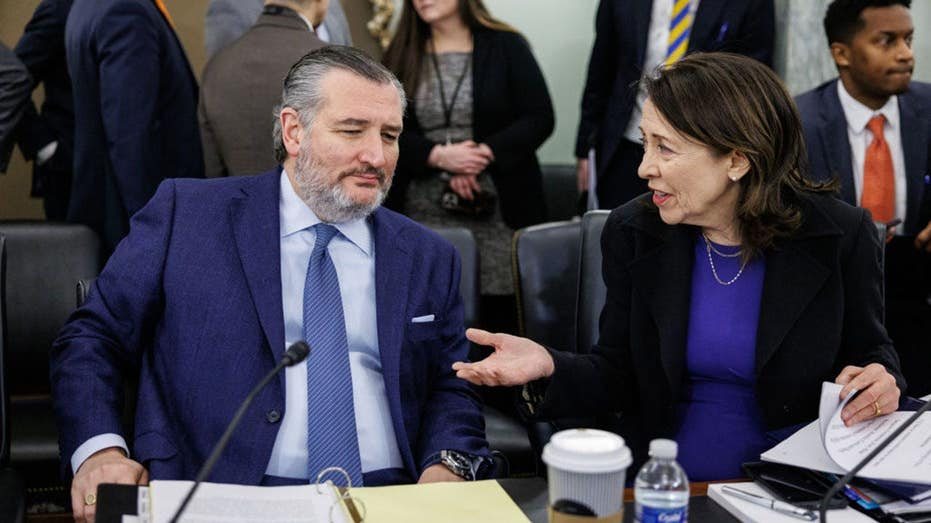
The Southeastern Conference and Big Ten have agreed to back the «Protect College Sports Act», breaking through weeks of last-minute negotiations and moving the bipartisan legislation closer to a vote in the Senate.
The agreement was reached Friday night after a day of intense talks involving conference commissioners, senators, White House officials and members of President Trump's college sports committee. The legislation is designed to address name, image and likeness rules and to protect women's and Olympic athletes, according to the senators leading the bill.
Senator Maria Cantwell, a Washington Democrat who helped lead the bipartisan effort, said in a statement that progress can now be made in protecting women and Olympic athletes and moving the legislation closer to the president's desk. Senator Ted Cruz of Texas and Senator Eric Schmitt of Missouri also helped steer the negotiations.
The final push came down to the wire. Big Ten Commissioner Tony Petitti was working at media days in Chicago while staying in constant contact with conference officials and speaking with SEC Commissioner Greg Sankey as many as ten times on Wednesday. The Big Ten held an internal meeting at 1 p.m. Thursday, while the SEC, Big 12 and ACC joined a conference call at 4 p.m. that same day.
White House officials said President Trump has been actively engaged in the negotiations. «The White House has been following these negotiations closely, and the President has been actively engaged. President Trump wants to save college sports, and he wants the bill done,» a White House official said on Thursday. A day later, the White House said that at the president's direction, the White House and his College Sports Committee have worked together to deliver a permanent solution to the challenges plaguing college sports.
The committee's work has been led in part by New York Yankees president Randy Levine and Texas Tech booster Cody Campbell, according to people involved in the discussions. Their involvement came as senators worked to secure enough support from the two biggest conferences in college sports to move the legislation forward.
The clock was a major factor. Congressional leaders wanted to bring the bill to the Senate floor before the chamber begins its summer recess. Senate Majority Leader John Thune had warned that there might not be enough time, a remark that appeared to push the involved parties to resolve their differences. Thune needed to file for cloture by Thursday afternoon if the Senate was to vote the following week, creating another deadline after earlier timelines proved unrealistic.
Negotiators spent months sorting through complex issues. One sticking point involved closing loopholes around NIL deals tied to multimedia rights companies. Another involved a retention cap that would give athletic departments additional money to keep athletes on rosters beyond the figure set in the House settlement, the landmark antitrust case that has shaped the current college sports landscape.
A Power-4 university president described the difficulty of balancing athletics with campus responsibilities during the negotiations. «This is not easy. We have universities to run, so athletics might be important, but we also have to rightfully consider everything else that is transpiring on our campuses,» the president said. «School is about to start back, and thousands of students are heading back to our cities.»
The same official acknowledged how much is at stake in college athletics. «Obviously, we know how important athletics are to our school and the amount of money, and eyes, that it brings in. This was, and has been, an interesting time to be a college president or chancellor. There is a lot at stake here.»
The agreement between the SEC and Big Ten does not mean the bill is law, but it removes a significant barrier. With the two most powerful conferences behind the legislation, supporters hope the measure can reach the Senate floor and ultimately the White House. The coming days will determine whether the bipartisan coalition can hold long enough to finish the job before lawmakers leave Washington for the summer.