Memorandum
- From
- Caroline Mercer via World News
- Date
- Filed
- Politics·4 min to read
- Re
Report: Netanyahu Urged Trump to Resume Iran Strikes Ahead of Elections
ReReport: Netanyahu Urged Trump to Resume Iran Strikes Ahead of Elections
Israeli Prime Minister Benjamin Netanyahu reportedly pressed President Donald Trump to renew military action against Iran before upcoming Israeli and U.S. elections, according to accounts circulating online. The claim, which has not been independently confirmed, adds a political dimension to the fragile ceasefire and ongoing regional tensions.
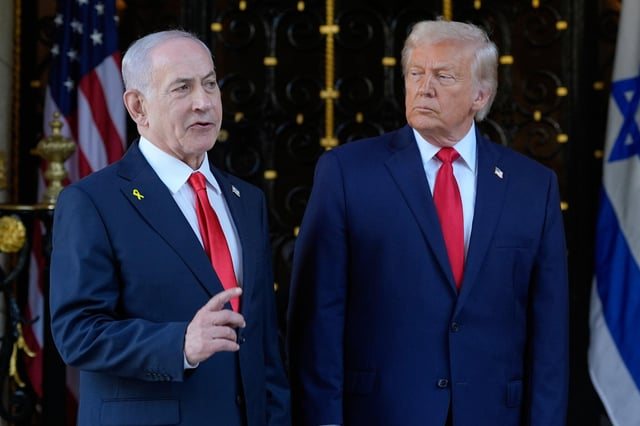
Israeli Prime Minister Benjamin Netanyahu reportedly urged President Donald Trump to restart military operations against Iran in the period before upcoming elections in both countries, according to accounts circulating online. The reported appeal, which has not been independently verified, would place the Israeli leader at the center of an effort to shape U.S. policy on Iran at a moment when both governments face voters.
The report surfaced as Washington and Tehran remain locked in a fragile standoff. Trump has publicly rejected Iran's latest proposal to end the eight-month war, though indirect messaging between the sides has continued. Iranian Foreign Minister Abbas Araghchi said Tehran is reviewing Washington's response to its offer, which included conditions such as lifting a blockade of Iranian ports, releasing frozen assets, and waiving sanctions on Iranian oil sales. Araghchi said the Strait of Hormuz would reopen within a week if the U.S. met those terms.
For Netanyahu, renewed fighting with Iran could carry significant political weight. Israel is scheduled to hold elections on Oct. 27, and the prime minister has faced criticism over his handling of security matters, including his ambiguous response to a settler attack in the West Bank that seriously injured a Washington Post photographer. U.S. Ambassador to Israel Mike Huckabee condemned that attack as «a despicable act of terror carried out by masked cowards,» while Netanyahu referred to the assault as «alleged» and said its circumstances remained unclear. The contrast highlighted the political pressure Netanyahu faces as he campaigns.
The broader regional picture remains volatile. Fighting has reignited Yemen's civil war after a four-year ceasefire, with an airstrike in Houthi-controlled Saada province killing at least nine people, including five children and two women, according to the Houthi-run Health Ministry. A Saudi helicopter gunship crashed near the border with Yemen, killing its two-member crew, and Egypt's National Defense Council agreed to provide «all possible forms of support» to Saudi Arabia, with President Abdel-Fattah el-Sissi seeking parliamentary authorization to deploy troops abroad.
Iran, meanwhile, appointed Mehrdad Akhlaghi as its new defense minister after his predecessor, Aziz Nasirzadeh, was killed on the first day of U.S.-Israeli attacks on Feb. 28, along with Supreme Leader Ayatollah Ali Khamenei and several senior Iranian military commanders. The leadership changes in Tehran add another layer of uncertainty to any potential negotiations.
The reported request from Netanyahu to Trump has not been confirmed by either government, and its accuracy remains unclear. If accurate, it would suggest that Israel's leadership sees renewed confrontation with Iran as advantageous ahead of elections in both countries, even as Washington weighs a diplomatic path. The coming weeks are likely to test whether the ceasefire holds or whether the region slides back into open conflict.
3