Memorandum
- From
- Connor Quincy via Fortune | FORTUNE
- Date
- Filed
- Politics·3 min to read
- Re
Nebraska voters reject online sports betting in both ballot measures
ReNebraska voters reject online sports betting in both ballot measures
Nebraska voters rejected two ballot measures that would have legalized mobile sports betting, despite a campaign promising $166 million in property tax relief over ten years.
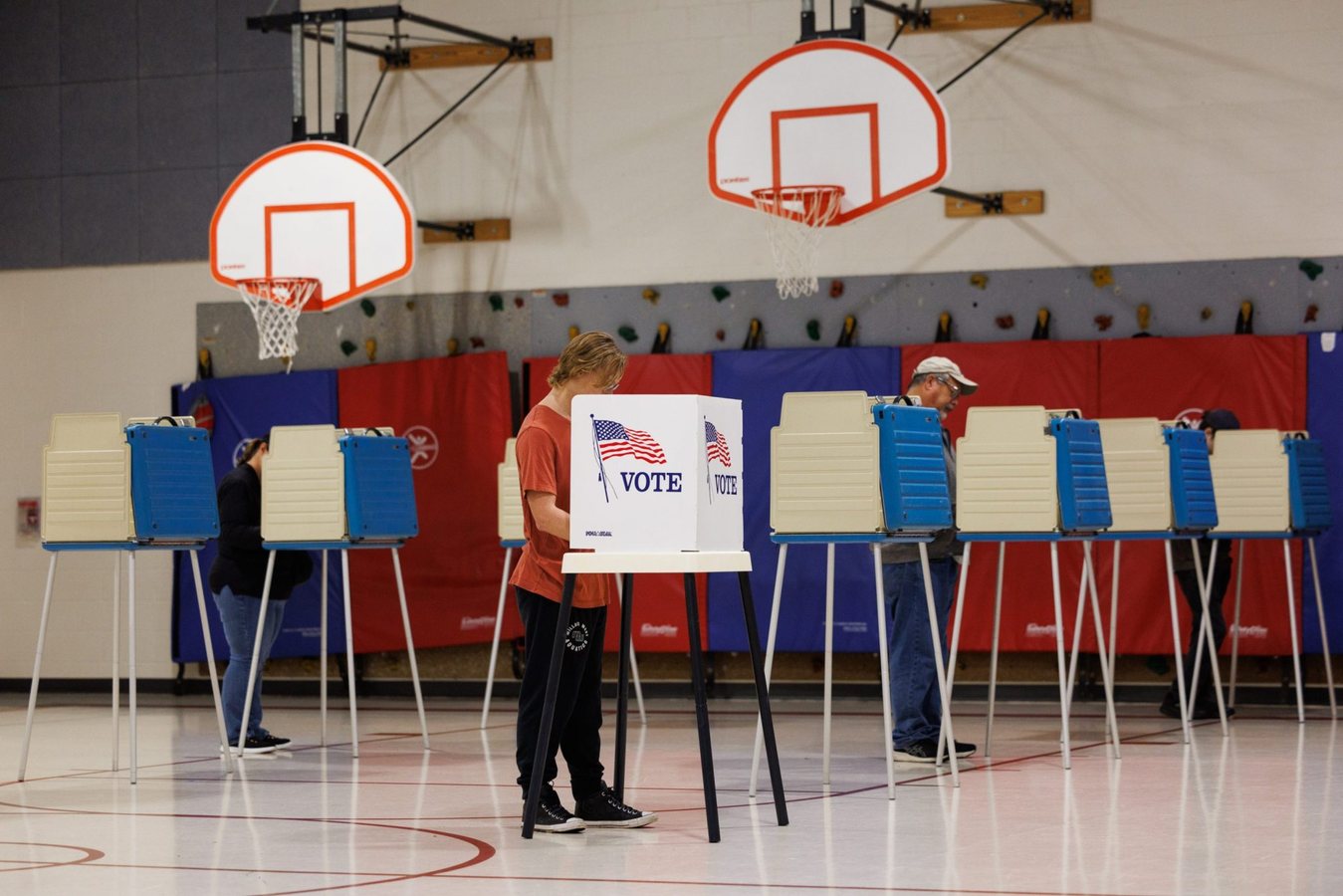
Nebraska voters rejected both ballot measures that would have legalized online sports betting, dealing a setback to the mobile wagering industry and to a campaign that built its case around property tax relief. Measure 440, a constitutional amendment, lost by roughly 55 percent to 45 percent. Measure 441, the statutory framework that would have set the rules for mobile betting, lost by about 54 percent to 46 percent. Because both needed to pass for mobile betting to become legal, the defeat of either one was enough to keep online wagering prohibited.
The campaign behind the measures spent $22.5 million promoting expansion. Two of the largest sports betting companies, DraftKings and FanDuel, each contributed $10.4 million. Backers presented the proposal as a way to ease the state's property tax burden, projecting about $166 million in property tax relief over 10 years and roughly $87 million in tax revenue over five years. That relief figure, however, was modest when set against the state's property tax burden of roughly $25 billion. State Senator Brad von Gillern, who opposed the measures, said expectations of relief had been overblown.
Under current law, Nebraskans can already place in-person sports wagers at five licensed racetrack casinos. Mobile betting, however, remained prohibited, and many residents instead crossed into Iowa and other states to bet through apps. Data cited in the reporting shows the scale of that activity. During the 2024-25 NFL season, there were about 3.4 million attempts to access betting apps from Nebraska, involving roughly 76,000 accounts, according to the geolocation firm GeoComply. The firm also recorded more than 326,000 geolocation checks at a single rural cornfield in Iowa, a sign of how betting traffic was flowing across the state line.
Supporters of legalization had argued that bringing wagering home would keep that money in the state. Research on gambling policy, however, has raised questions about the broader effects of legalization. A 2024 working paper from the National Bureau of Economic Research found that legalizing sports betting increased wagering and reduced household savings, with financially constrained households showing more credit card debt and overdrafts. A Bank of America Institute analysis found that customers recover less than 75 cents for every dollar wagered, a figure the reporting presents as context for the financial risks involved.
With both measures defeated, the question of mobile sports betting in Nebraska returns to the status quo, leaving in-person wagering at licensed racetrack casinos as the only legal option and residents' app-based betting continuing to take place across the border.
3