
Memorandum
- From
- Caroline Mercer via fox - World
- Date
- Filed
- Politics·3 min to read
- Re
Iran lifts missile-range limit as US launches Task Force Iron Gate
ReIran lifts missile-range limit as US launches Task Force Iron Gate
Iran has dropped its self-imposed 2,000-kilometer limit on ballistic missile range, while US Central Command has created a new task force targeting Iranian arms shipments on land and Caspian Sea routes.
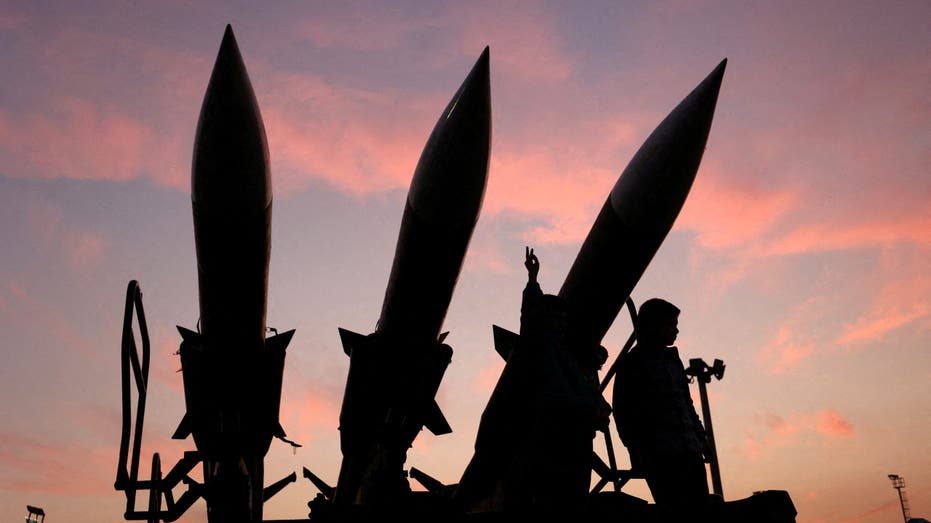
Iran has dropped a self-imposed limit on the range of its ballistic missiles, a move confirmed by a spokesman for the Islamic Revolutionary Guard Corps, as the United States moved to choke off the flow of weapons and materials reaching Tehran. The Revolutionary Guard spokesman, identified as Mohebbi, said the 2,000-kilometer restriction no longer applies and warned that Iran would unveil unspecified weapons if fighting resumes.
The old limit covered the Arabian Peninsula, the Levant and most of Egypt, placing a large part of the region within Iran's stated reach. Its removal signals that Tehran is no longer holding its missile program to that ceiling. Mohebbi also claimed that Iran has built underground facilities he described as «missile cities» that would allow production to continue during wartime. He further asserted that domestic drone and missile output carried on through the recent fighting. These claims have not been independently verified, and the capabilities of the promised new weapons remain unconfirmed.
On November 7, US Central Command, led by Adm. Brad Cooper, created a unit called Task Force Iron Gate. According to a statement posted on X, the task force is aimed at Iranian arms shipments, dual-use materials and the illicit revenue that finances them. Its scope covers Iran's land borders as well as routes across the Caspian Sea, which analysts describe as a two-way hub for sanctions evasion between Iran and Russia. Behnam Taleblu of the Foundation for Defense of Democracies said he expects targeted strikes against facilitators, along with growing pressure on neighboring states and financial institutions. He also said Iran is likely to depend on imports to rebuild its missile stocks.
The Iraq border has emerged as a focal point. The US Treasury has reportedly pressed Baghdad to close all but two of its crossings with Iran. Iraq closed the al-Shayeb crossing on October 21 for what it called a security review, but its wider response has reportedly been limited as it tries to balance pressure from Washington against Iranian-backed factions within its own politics. Iran's ambassador to Iraq, Al-Sadegh, has reportedly lobbied for the crossing to reopen. Al-Sadegh is reportedly linked to the Quds Force of the Revolutionary Guard. The extent of the Iraqi closures remains unclear.
The moves come against the backdrop of what Iran calls the 40-Day War, a conflict that constrained the country's domestic missile production. In March, an Iranian attempt to strike the British-US military base at Diego Garcia, roughly 2,500 miles away, failed. That attempt, along with the current dispute over range and supply lines, underscores how far Iran's long-range ambitions and its supply networks remain at the center of the confrontation with Washington.
15

Source: Iran vows ‘astonishing’ strikes and lifts missile-range limit as US targets land routes