
Memorandum
- From
- Caroline Mercer via fox - World
- Date
- Filed
- News·4 min to read
- Re
State Department Raises Travel Warning for Ceuta Amid Migrant Surge
ReState Department Raises Travel Warning for Ceuta Amid Migrant Surge
After tens of thousands of migrants entered Ceuta from Morocco, the State Department raised its travel advisory for the Spanish enclave to Level 3: Reconsider Travel. Spain has deployed military and police forces, and U.S. officials warn the situation could become dangerous.
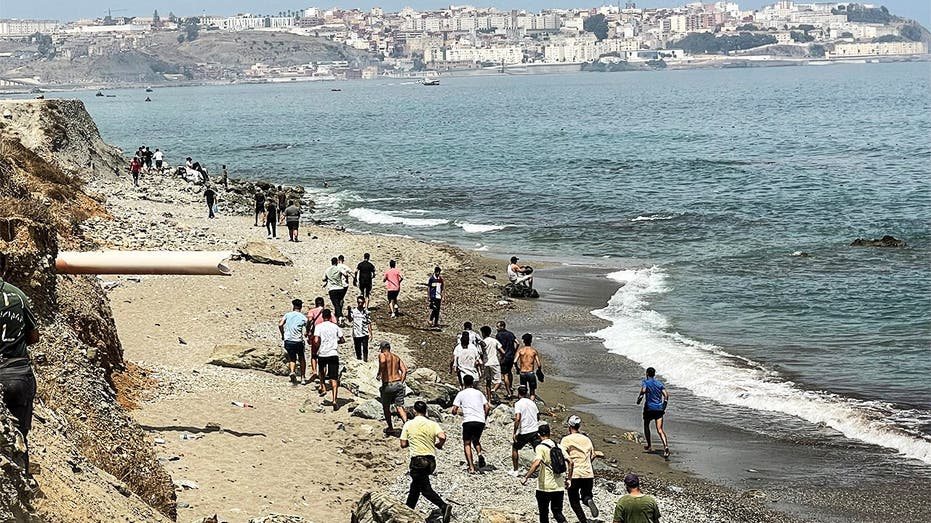
The State Department has raised its travel advisory for Ceuta, Spain’s North African enclave, to Level 3: Reconsider Travel after tens of thousands of migrants surged into the territory from neighboring Morocco and prompted a major Spanish security response.
The updated advisory, issued Saturday, warns that the «massive and uncontrolled arrival of migrants from Morocco to Ceuta may lead to unpredictable and dangerous security situations.» It says Spain has deployed the Spanish military, the Spanish National Police and the Guardia Civil because of the serious situation, and it advises Americans to reconsider travel to the area given the risks to their safety and security.
The warning applies only to Ceuta, an autonomous Spanish city on the northern coast of Africa that borders Morocco. The rest of Spain remains under its existing travel advisory level.
Spanish officials have scrambled to respond since tens of thousands of migrants crossed into the enclave this week. Juan Jesús Vivas, president of Ceuta, said Friday that about 60,000 migrants entered the territory over a 24-hour period. Spain’s Interior Ministry later estimated roughly 50,000 arrivals since Thursday. Authorities said thousands have since returned to Morocco.
Assistant Secretary of State Dylan Johnson said the advisory was updated in response to what he described as a «mass invasion of tens of thousands of illegal migrants.» He said the invasion was the direct result of the Spanish government’s refusal to secure its borders and defend its people, and that it now threatens the security of Europe. «The United States stands with the Spanish people and all European peoples in defense of their sovereignty,» Johnson said in a statement.
Johnson added that Washington welcomes efforts by Spain, Morocco and European partners to reestablish control of the border, repel illegal migrants, prevent further loss of life and remove those illegally in Europe.
Prime Minister Pedro Sánchez said Spain would boost its security presence in Ceuta, deploy a physical sea barrier to help facilitate repatriations and continue working with Moroccan authorities to combat human trafficking networks. Authorities have linked the surge to a recent Spanish Supreme Court ruling involving migrants arriving by sea. Sánchez said trafficking organizations misrepresented the decision, triggering the influx.
The crisis also drew comments from President Donald Trump during a Cabinet meeting Friday at Camp David. «You know, I saw Spain yesterday, and I watched the catastrophe that took place. It looks like an invasion of a country by hundreds of thousands of people. And that same thing is going to happen to us if the Republicans don’t get elected,» Trump said. Earlier Friday, he said: «It’s terrible. Remember that picture. That’s going to be us in three years if the wrong side gets in.»
Ceuta, along with the nearby Spanish enclave of Melilla, has long been a flashpoint for illegal migration into Europe. Both territories sit on the African mainland while remaining part of Spain and the European Union, making them a frequent entry point for migrants trying to reach the bloc.
The State Department’s advisory underscored the seriousness of the situation for U.S. officials, even as Spanish and Moroccan authorities work to reestablish control of the border and prevent further loss of life.