Gen Keane questions whether Pakistan, Saudi Arabia and Qatar can be trusted in Iran talks Retired Army Gen. Jack Keane questioned whether Pakistan, Qatar and Saudi Arabia can be trusted to help shape negotiations with Iran, accusing the regional partners of steering President Donald Trump away from military pressure while leaving the United States and Israel to bear the risks of confronting Tehran. Keane, a Fox News senior strategic analyst and former Army vice chief of staff, said during a Monday appearance on Fox News’ "America’s Newsroom" that Pakistan and Qatar were "compromised" as mediators because, in his view, they favor Iran over the United States. "It is well known in the Middle E
ast region, by our intelligence services, by all the players, that the Pakistanis and the Qataris are compromised because they favor Iran at the expense of the United States," Keane said. "This is historical. This is not new." NUCLEAR EXPERTS URGE TRUMP NOT TO LET IRAN STEER TALKS AWAY FROM REGIME'S ATOMIC THREAT Keane’s criticism contrasts with Trump’s public praise for Islamabad. Trump said April 26 during a phone interview with Fox News that he had "great respect for Pakistan" because its officials had "been terrific" and "really tried" to advance negotiations with Iran. He added that Pakistan would remain involved in the process. While speaking to reporters after the G7 summit in France
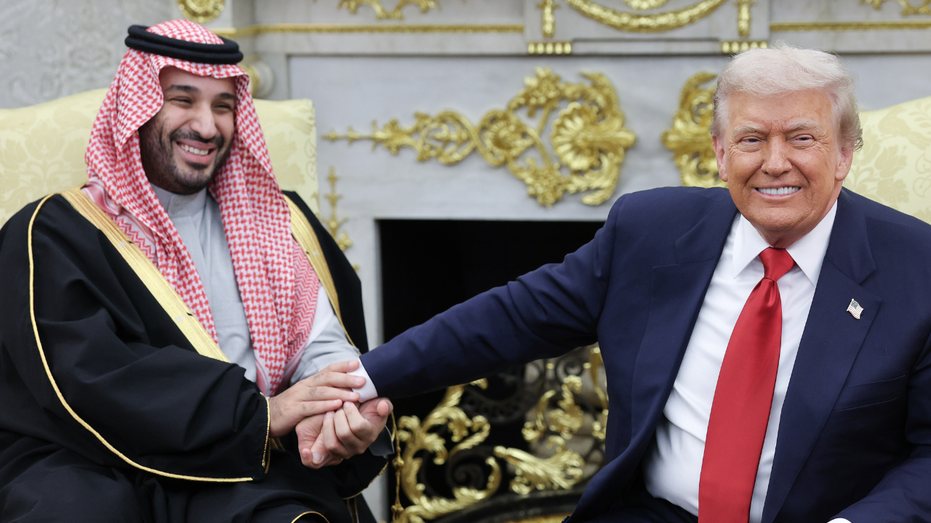
June 18, Trump also credited Pakistan and Qatar with helping advance the negotiations that produced the U.S.–Iran memorandum of understanding. White House spokesperson Anna Kelly also defended the administration’s regional partners, telling Fox News Digital that, "President Trump has great relationships with leaders from Pakistan, Qatar and Saudi Arabia, and he appreciates the involvement of all of our regional partners who are assisting with negotiations." "If Iran cannot agree to a good deal with the United States, the fault will lie squarely with the regime, who will suffer the consequences," Kelly added. Mediators were preparing a second memorandum focused exclusively on the Strait of Ho