Memorandum
- From
- Delaney Sawyer via Fortune | FORTUNE
- Date
- Filed
- News·5 min to read
- Re
European defense industry seeks its own «NASA moment» as spending surges
ReEuropean defense industry seeks its own «NASA moment» as spending surges
European defense leaders are pushing for a public-relations breakthrough to highlight civilian spin-offs from military innovation, as defense spending reaches record levels across the U.K. and EU.
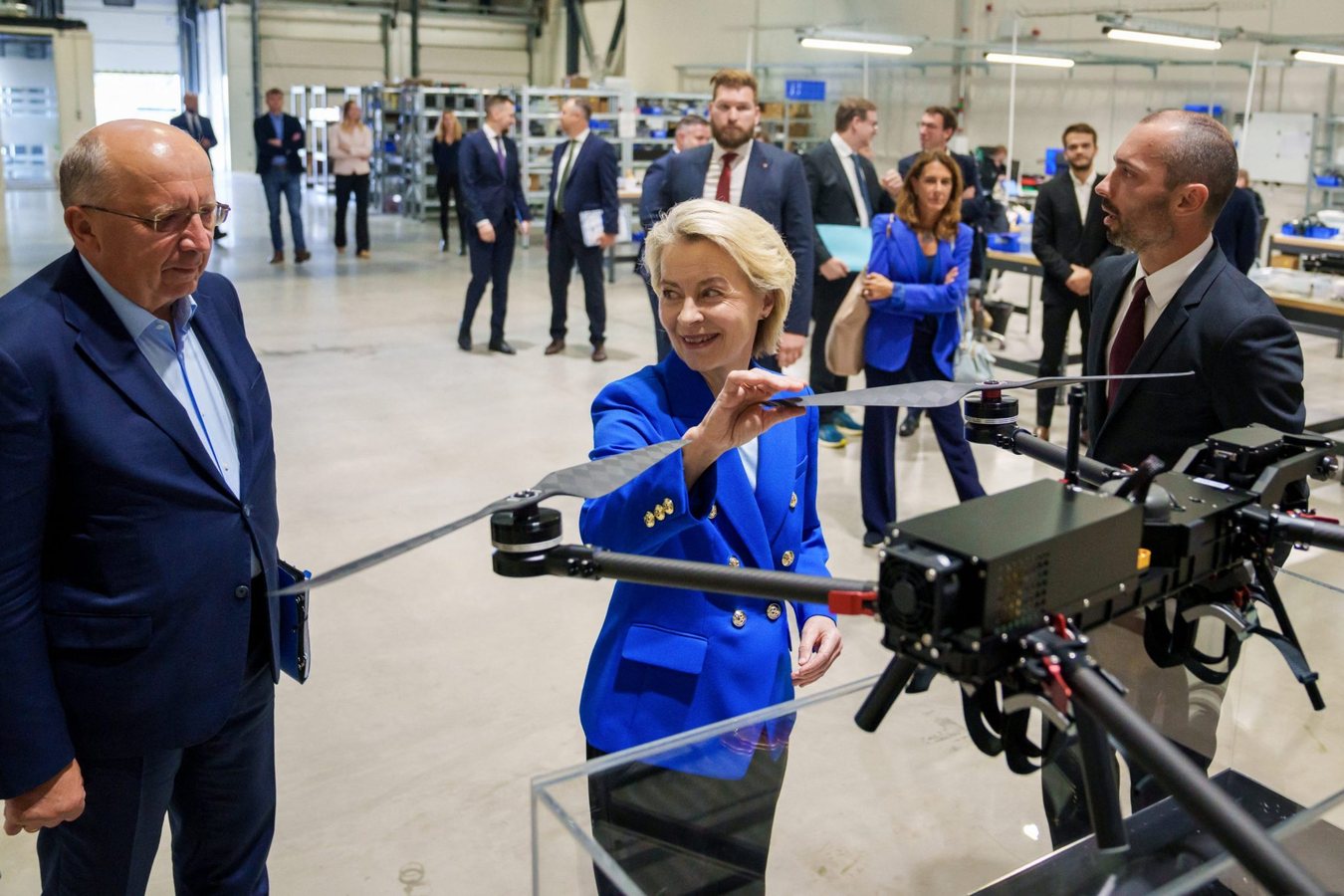
The European defense industry is looking for its own «NASA moment» — a way to show the public that military research delivers civilian benefits, from rechargeable hearing-aid batteries to quakeproof buildings. The push comes as defense spending across the continent reaches record levels and politicians from across the political spectrum embrace security credentials.
NASA has long celebrated the civilian applications of Apollo-era technology, publishing a dedicated catalog of «tech-transfer spinoffs» that includes fly-by-wire technology, packaged food safety standards, and infrared cameras originally developed by the British for anti-aircraft defense in the 1920s. European defense leaders argue their sector has been far less effective at publicizing similar achievements, often because of the industry's controversial reputation.
«Less than a century ago, Europe was a continent destroyed by conflict,» the sector's advocates note. Until the 1990s, the Cold War threatened nuclear destruction along a political fault line that split the continent in half. Defense spending has often been viewed by many as akin to Big Tobacco — only worse, according to industry insiders.
The atmosphere is changing. With Russia's ongoing war in Ukraine and questions about America's reliability as an ally, European defense is gaining new fans and significant investment. Jobs in the sector are well paid and often located in areas most affected by manufacturing decline. Productivity levels can run as much as 25% above the national average, providing a boost to otherwise sluggish economic growth figures.
In the U.K., defense turnover reached £36.5 billion ($49.6 billion) in 2026, a 65% increase over the past decade, according to the defense industry trade association ADS Group. In the EU, defense turnover now runs at €148 billion ($172.3 billion) annually, up 60% since 2021.
Politicians from the right and, more surprisingly, the left are competing to show their «tough on security» credentials. But industry leaders say this is more than a sophisticated arms race aimed at repelling threats and protecting borders. Defense spending is resurrecting an engineering and manufacturing base many believed had gone forever, replaced by finance, law, and service industries.
The U.K., France, and Germany are home to world-leading defense companies. A «NASA moment» would provide a direct way of telling the public that, whatever their views on making bombs and drones, the civilian world is well served by a flourishing defense sector beyond the simple fact of keeping nations safe.
Examples of how to achieve such a moment are abundant. Last year the U.K. launched the Technology and Growth Alliance, bringing together the defense industry, investors, and civilian businesses. Spin-outs include BAE Systems' Rho-C, an ultrasound technology originally built for submarines now being used to support the oil and gas sector and nuclear power plants. Stirling X, backed by Gallos Technologies, a defense fund, is developing drone technology that can map critical infrastructure such as national power grids.
«The U.K. already produces world-class defense innovation. Our challenge is turning more of it into commercial success,» said Hetti Barkworth-Nanton, chair of the TAG Alliance. Andy Haldane, former chief economist of the Bank of England, said it was time to tackle the lag between defense breakthroughs and their spread to the wider economy.
In France, the Agence Innovation Defense encourages the development of dual-use technologies. NATO's DIANA (Defense Innovation Accelerator for the North Atlantic) does a similar job. Google was invented in part via funding from the U.S. defense sector.
With economic growth struggling, Europe needs to become more confident in promoting the long-tail effects of a revitalized sector, industry leaders argue. The challenge now is turning record spending into lasting public support and commercial success.
153